Elon Musk Reacts With 'Hmm' to US Bill Blocking Major AI Data Centers
Elon Musk’s One-Word “hmm” Just Exposed a $50 Billion Fight Over AI Data Centers Elon Musk just broke his silence on a controversial US bill that could *...
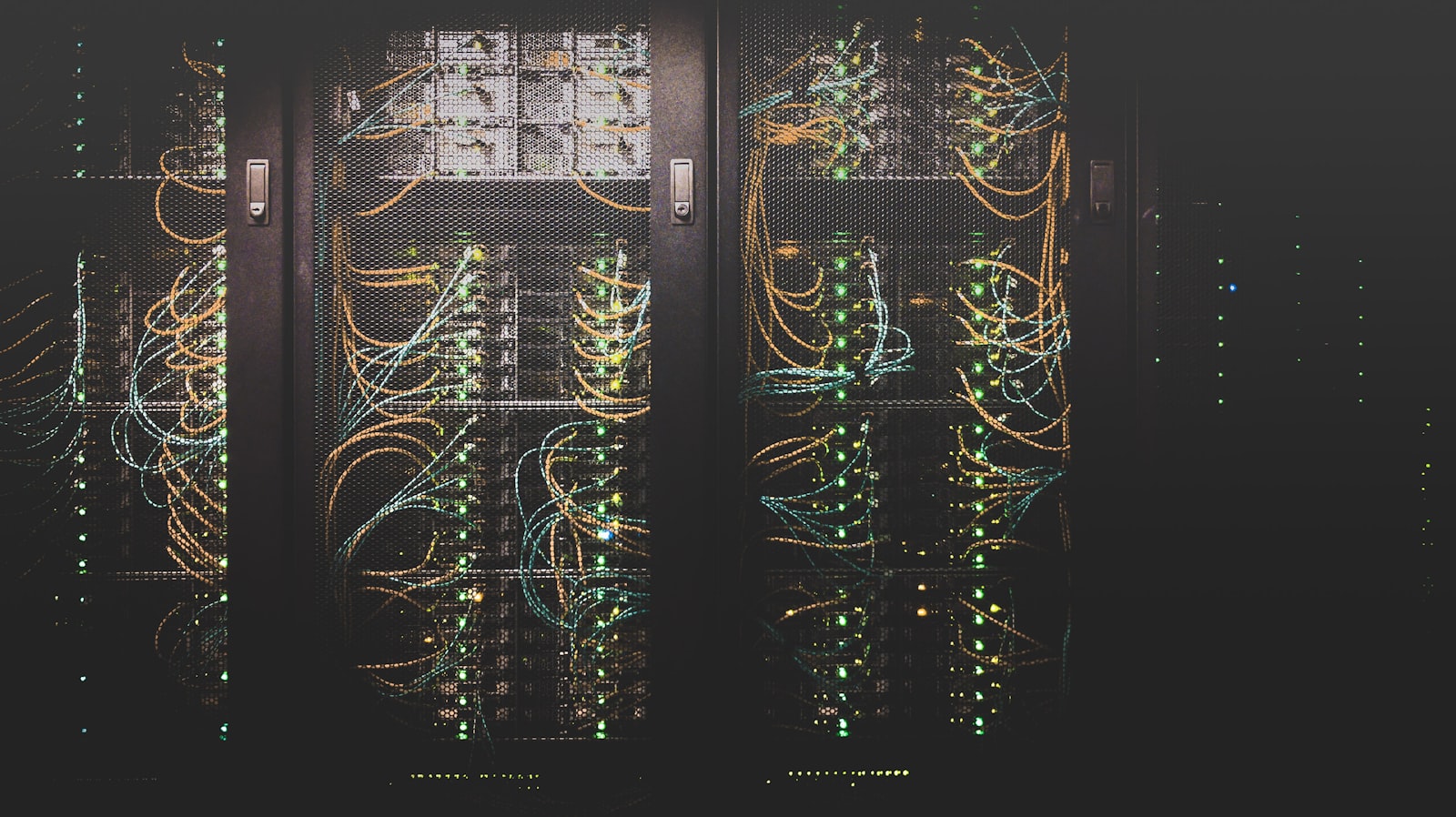
Elon Musk’s One-Word “hmm” Just Exposed a $50 Billion Fight Over AI Data Centers
Elon Musk just broke his silence on a controversial US bill that could temporarily freeze all large AI data center construction — and his single-word reaction says more than any policy document could. The AI Data Center Moratorium Act, introduced by Senator Bernie Sanders and Representative Alexandria Ocasio-Cortez, would halt projects larger than 20 megawatts until the government lays down new AI oversight rules. With Y Combinator CEO Garry Tan calling it a “knee-jerk” job killer and Musk simply reposting with “hmm,” the battle lines are drawn between job creation, environmental costs, and America’s AI dominance.
What Is the AI Data Center Moratorium Act?
This proposed US legislation isn’t just another political squabble — it’s a direct threat to the $50 billion+ data center construction boom fueling the global AI race. The bill would impose a temporary pause on any new AI data center project exceeding 20 megawatts of power consumption. That cutoff is critical: most modern AI training and inference clusters easily surpass that threshold.
Key provisions include:
- Environmental protections: Mandatory environmental impact assessments for any new facility
- Labor standards: Requires union labor for construction and operation
- Semiconductor export restrictions: Ties data center construction to chip export controls
- Energy transparency: Data centers must disclose power usage and source
Supporters argue the pause is needed because AI data centers already consume power equivalent to 100,000 homes each, and some communities have seen electricity bills jump 267% near these facilities, per Ocasio-Cortez’s own statements.
The Core News: Musk’s “hmm” and the Growing Revolt
What happened? Elon Musk reposted a thread by Y Combinator CEO Garry Tan that savaged the moratorium bill. Tan wrote that “the people who say they want American jobs are trying to block the biggest job creation engine since the interstate highway system.” Musk’s reply: a single “hmm” — loaded with ambiguity but clearly aligning with the pro-construction camp.
Tan’s argument rests on hard numbers:
- PwC’s 2025 report found data centers supported 4.7 million US jobs in 2023
- Each direct data center job creates a 7.5x multiplier across construction, energy, and supply chains
- 300+ local bills have already been filed across states, with half of planned 2026 data centers facing delays or cancellation
| Metric | Pro-Moratorium Argument | Anti-Moratorium Argument |
|---|---|---|
| Jobs | Data centers create few permanent jobs per facility | But each facility generates thousands of construction and indirect jobs |
| Energy | Strain on grids, rising bills for residents | Modern AI clusters can use renewable energy and grid upgrades benefit all |
| Global Race | Pause allows for thoughtful regulation | China will outpace the US during any freeze |
| Local Impact | Noise, water use, and land consumption | Billions in local tax revenue and economic activity |
Musk’s “hmm” is significant because Tesla itself is a massive consumer of AI compute for autonomous driving and Optimus robot training. A moratorium could directly impact Tesla’s AI ambitions — even if Musk’s xAI company also benefits from competing infrastructure.
Why This Matters: The Stakes for AI’s Future
This isn’t just a US domestic squabble. Every major AI company — OpenAI, Google DeepMind, Anthropic, Meta, Microsoft — has been on a data center land grab. The bill threatens to freeze the single largest capital expenditure cycle in tech history.
Three critical stakes:
- AI training costs would skyrocket if new clusters can’t be built. Existing facilities would command premium pricing.
- Startups would be crushed — Y Combinator’s Tan is worried that pre-revenue AI startups relying on cheap compute won’t survive a 2-year pause.
- Geopolitical fallout: The US is already in an AI arms race with China, which has no such moratorium. India, too, is aggressively building data centers in Hyderabad and Mumbai.
The bill’s sponsors argue the pause is temporary — until the US government creates a comprehensive AI oversight framework. But critics point out that such frameworks typically take 3-5 years to draft and implement, effectively killing the current boom.
Key Details: How the Moratorium Would Work
What qualifies as “large”?
Any new AI data center with a power demand of 20 MW or more. That includes both construction and expansion of existing sites. There are exceptions for facilities primarily used for medical research, national security, or emergency services.
What’s the timeline?
The bill, introduced in early 2026, would take effect 30 days after passage and remain in place until the Secretary of Energy certifies that comprehensive AI oversight rules are in place. No sunset clause — it stays until the government acts.
What about existing data centers?
Existing facilities would continue operating. But any expansion beyond 20 MW would trigger the moratorium. Many current AI data centers are already 50-100 MW, so this effectively blocks the next wave.
Who supports it?
- Environmental groups: Cite water usage and carbon footprint
- Local community organizations: Fear rising utility bills and noise pollution
- Labor unions: Want guaranteed union jobs on all construction
- Privacy advocates: Want AI regulation before more compute is deployed
Who opposes it?
- Big Tech: Microsoft, Amazon, Google, Meta — all have massive data center pipelines
- Startup ecosystem: Y Combinator, Sequoia, a16z — depend on cheap compute for portfolio companies
- Energy companies: See data centers as anchor customers for renewable projects
- Economic development agencies: Cities and states offering tax breaks want the construction dollars
Competitive Landscape: US vs The World
While the US debates this pause, other nations are sprinting ahead.
| Country | 2026 Data Center Capacity (MW) | Moratorium? |
|---|---|---|
| United States | ~35,000 MW planned | Proposed freeze on new >20 MW projects |
| China | ~30,000 MW planned | No moratorium; state-backed construction |
| India | ~8,000 MW planned | No moratorium; major expansions in Telangana, Maharashtra, Tamil Nadu |
| Europe | ~15,000 MW planned | Some local restrictions but no federal pause |
India is particularly interesting: Telangana and Maharashtra are competing for massive AI data center investments. If the US imposes a moratorium, India could become the go-to destination for AI compute — especially given cheaper land, power, and labor.
Amazon, Microsoft, and Google have already announced multi-billion dollar investments in Indian data centers. The US moratorium could accelerate that migration.
What This Means for AI-Tool and AI-News Publishers
This story is a goldmine for content creators, SEO bloggers, and newsletter writers. Here are five concrete content angles your audience will care about:
-
“How to Build an AI Data Center in India While the US Pauses” — Step-by-step guide for startups considering offshore compute. SEO keywords: India data center incentives, Telangana AI policy, Mumbai data center cost.
-
“What This Bill Means for Your AI Tool’s Latency” — If new US data centers are blocked, existing ones will get congested. Write about how Indian and European data centers could become the new standard for low-latency AI inference.
-
“Elon Musk’s ‘hmm’ Decoded: The Billionaire’s Real Stance on AI Regulation” — Explore Musk’s contradictory positions: he’s warned about AI existential risk, yet opposes a data center freeze. Compare his xAI data center plans with his public statements.
-
“5 AI Startups That Could Benefit From the Data Center Moratorium” — Companies offering edge computing, federated learning, or efficient model architectures that don’t need massive clusters. List them with use cases.
-
“The Hidden Cost of AI Data Centers: A Data-Driven Infographic” — Use the 267% utility bill increase statistic, job multiplier, and energy consumption to create a shareable visual. Great for LinkedIn and Twitter.
SEO opportunity: Target long-tail keywords like “AI data center moratorium 2026 impact”, “Elon Musk AI data center reaction”, “Y Combinator data center jobs study”, and “India AI data center construction”.
Challenges Ahead: What Could Go Wrong
This bill faces an uphill battle even in a divided US Congress. Here are the main risks:
- Constitutional challenges: Critics argue a federal moratorium on private construction could violate property rights and interstate commerce clauses
- Incomplete data: The 4.7 million jobs figure is disputed; many are temporary construction jobs, not permanent tech roles
- Enforcement nightmare: How do you define “AI data center”? Any server farm could claim it’s for general computing
- State-level rebellion: Texas and Ohio have already passed laws protecting data center tax breaks — they could sue the federal government
- Geopolitical blowback: US allies like Japan and South Korea may see the moratorium as a sign of weakness, boosting China’s AI narrative
Also worth noting: Elon Musk’s “hmm” is not a full endorsement. It’s a canny non-commitment. He could pivot either way depending on how the political winds shift.
Final Thoughts
The AI Data Center Moratorium Act is a Rorschach test for the AI industry: to some, it’s a necessary speed bump to prevent environmental and social damage; to others, it’s a suicide pact that hands the future to China and India. Musk’s one-word reaction captures the ambivalence perfectly. The real question isn’t whether this bill passes — it’s whether the global AI infrastructure race will be decided by legislation or by the simple brute force of capital.
FAQ
What exactly did Elon Musk say about the AI data center bill?
Musk reposted Y Combinator CEO Garry Tan’s critical thread about the bill and wrote only “hmm” — a non-committal but clearly skeptical reaction that signals his opposition without outright condemning the legislation.
How would the AI Data Center Moratorium Act work?
It would temporarily ban the construction of any new AI data center exceeding 20 megawatts of power consumption until the US government establishes comprehensive AI oversight rules. Existing facilities and smaller projects would continue.
Who would be most affected by this bill?
Startups reliant on cheap cloud compute, companies planning new AI training clusters (like OpenAI, Google, Meta), construction and energy workers, and local economies that depend on data center tax revenue. Utility customers near existing data centers might benefit if bills stabilize.
When would this moratorium take effect if passed?
30 days after the bill becomes law. There is no automatic sunset — the freeze continues until the Secretary of Energy certifies that a comprehensive AI regulatory framework is in place, which could take years.
What are the main arguments against the moratorium?
Critics say it would kill 4.7 million US jobs (per PwC), hand the AI race to China, raise compute costs for startups, and violate property rights. They also argue that modern data centers can be built with renewable energy and grid upgrades.
How does this affect AI development in India?
If the US moratorium passes, India could become a top destination for AI compute investment. States like Telangana, Maharashtra, and Tamil Nadu are already competing with generous incentives. Indian AI startups and tool builders would gain access to cheaper, faster infrastructure.


