Google Launches AI-Powered Audio Glasses With Warby Parker at I/O 2026
Google is getting back into the smart glasses game — and this time it’s all about your voice. At Google I/O 2026 , the company announced a new partnershi...
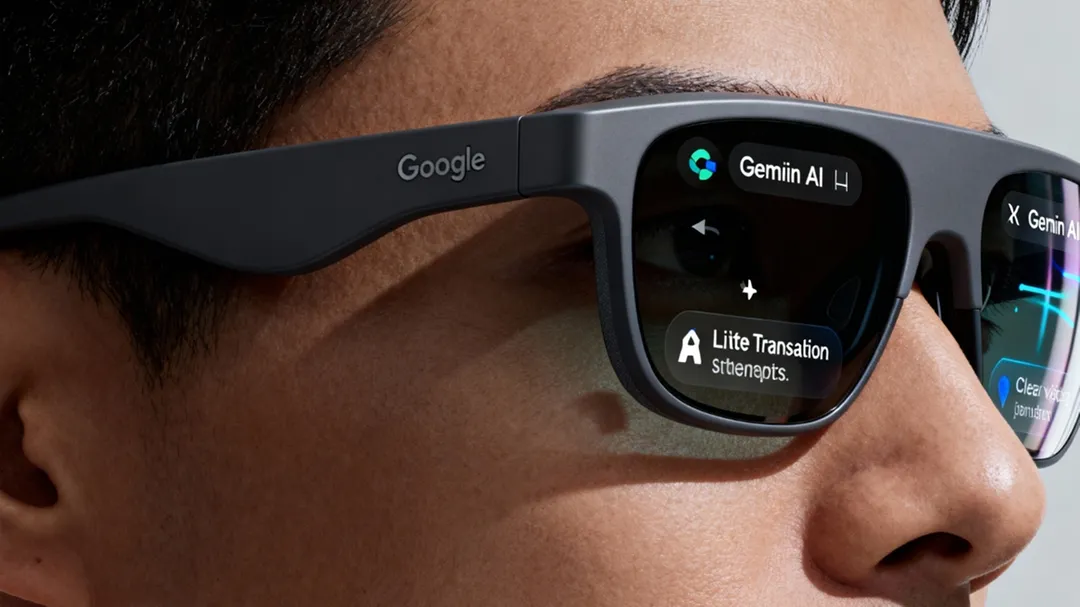
Google is getting back into the smart glasses game — and this time it’s all about your voice. At Google I/O 2026, the company announced a new partnership with Warby Parker and Gentle Monster to launch a line of AI-powered audio glasses co-designed with Samsung. These devices let you order coffee, check messages, and control apps just by talking — and they’ll ship later this year. For developers and content creators in India, this is not just another gadget; it’s a peek at how Gemini will infiltrate everyday wearables.
What Are Google’s Audio Glasses?
Google is calling its new smart glasses “audio glasses” — a deliberate pivot away from the camera-centric headset that earned early Google Glass users the derogatory nickname “glassholes.” Instead, these new glasses focus entirely on voice interaction. You wear them like normal frames (designed by Warby Parker and Gentle Monster), talk to them, and the built-in AI does the rest.
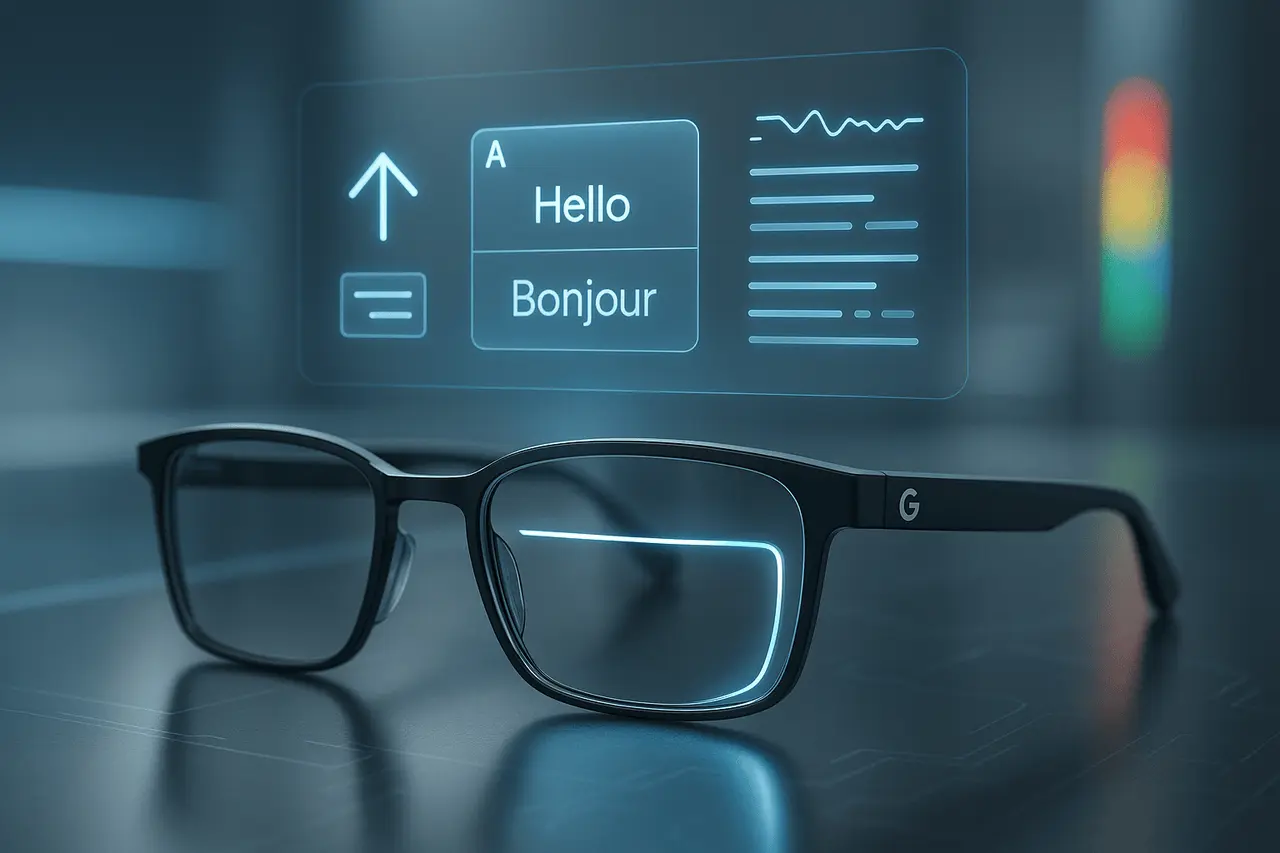 Image: The new audio glasses blend fashion with AI voice control, designed in partnership with Warby Parker and Gentle Monster.
- The glasses pair with Android and iOS devices via Bluetooth.
- They run on Google’s Gemini ecosystem, meaning you can ask it to set reminders, send texts, or even order a coffee — as demonstrated on stage.
- The devices were developed in collaboration with Samsung, hinting at deeper hardware integration (possibly Exynos chips or custom audio modules).
- No built-in camera or display — pure audio input/output. This avoids the privacy nightmare of Google Glass 1.0.
The Core News: What Changed at Google I/O 2026
Google’s announcement on May 19, 2026, marks a major strategic shift from its previous smart glasses failures. The company is not trying to replace your phone screen; it’s augmenting your ears and voice.
| Feature | Old Google Glass (2013) | New Audio Glasses (2026) |
|---|---|---|
| Primary interaction | Touchpad & voice | Voice only |
| Display | Heads-up prism | None (audio only) |
| Camera | Yes | No |
| Design partners | None (Google in-house) | Warby Parker, Gentle Monster, Samsung |
| AI assistant | Google Now | Gemini |
| Price rumored | $1,500 | Under $300 (industry estimate) |
- The demo involved a Googler saying, “Hey Google, order my usual coffee from Starbucks,” and the glasses confirmed the order, synced with Google Pay, and sent a notification to the phone.
- Google also announced Gemini Spark, a 24/7 agent assistant integrated with Gmail, and promised that the glasses would work seamlessly with it.
- Availability: “later this year” — likely Q4 2026, in select markets first (US, possibly UK, Japan). India timeline unclear.
Why This Matters: The Stakes for Google and the Industry
Google is taking a page from Meta’s playbook. Meta’s Ray-Ban Stories (and later smart glasses) showed that audio-first wearables can sell if they look good and do one thing well. Meta shipped over 2 million units of its Ray-Ban Meta smart glasses in 2025, according to IDC. Google wants a slice of that.
| Company | Smart Glasses Product | Key Differentiator | Estimated Shipments (2025) |
|---|---|---|---|
| Meta | Ray-Ban Meta (2nd gen) | Camera + audio + AI | 2.1 million |
| Audio Glasses (2026) | Gemini integration, no camera | Not yet launched | |
| Apple | No smart glasses (yet) | Rumored AR headset in 2027+ | — |
| Startups | Various | Niche: enterprise, sports | < 500,000 combined |
- For content creators and marketers, this means a new channel: voice-first interaction with Google’s ecosystem. Imagine publishing a blog post that triggers a Gemini action on glasses — “Hey Google, read me the latest article from AI News India.”
- For startup founders in India, the lack of a camera reduces regulatory hurdles (India’s data privacy laws are strict on facial recognition). Voice-only glasses could see faster adoption here.
- Google’s move also pressures Apple to finally enter the smart glasses space. If Apple doesn’t, Google and Meta could own the “ambient AI” category.
Key Details, Technical Breakdown, and Features
How the Audio Glasses Work
- Wake word: You say “Hey Google” or tap the temple.
- Voice capture: Beamforming microphones filter out background noise.
- On-device processing: A custom low-power chip (likely from Samsung’s Exynos lineup) handles basic commands locally — privacy first.
- Cloud fallback: Complex queries (ordering coffee, checking Gmail) go to Gemini via your paired phone’s internet connection.
- Audio output: Bone conduction speakers sit inside the frame, so you can hear responses without blocking ambient sound.
Gemini Integration
- The glasses are essentially a wearable mic and speaker for Gemini. You can ask it to “summarize my unread emails” or “set a timer for 10 minutes.”
- Google demonstrated Gemini Spark working with the glasses: a 24/7 agent that monitors your Gmail, Calendar, and Drive, then proactively offers suggestions (“You have a meeting in 15 minutes. Would you like to order a cab?”).
- Developers can build custom voice actions using Google’s Actions on Google platform — expect a flood of “glasses-friendly” skills.
Design and Comfort
- Frames come in Warby Parker and Gentle Monster styles — trendy, not nerdy.
- Weight: under 45g (comparable to regular sunglasses).
- Battery life: “all-day” with sporadic use; 6 hours of continuous voice interaction. Charging case provides 3 full charges (like true wireless earbuds).
Competitive Landscape: Where Does Google Fit?
The smart glasses market is heating up, but most competitors still include cameras. Google’s bet on audio-only is both safer and narrower.
- Meta Ray-Ban glasses have a camera, which enables features like “Look and translate” or “What am I looking at?” Google’s glasses can’t do that. But Meta’s glasses have also faced privacy backlash in Europe and parts of Asia.
- Apple is rumoured to be working on AR glasses, but they’re at least 2–3 years away. In the meantime, Google has a window to define audio-first wearable AI.
- Amazon has Echo Frames (audio-only smart glasses) but they lack a strong AI assistant like Gemini. Alexa is lagging behind in conversational ability.
- Xiaomi and Baidu have launched smart glasses in China, but they’re not available globally.
For Indian consumers, the big question is pricing. If Google keeps it under ₹25,000 (approx $300), the glasses could compete with high-end audio wearables. If priced higher, adoption will be slow.
What This Means for AI-Tool and AI-News Publishers
This is a golden opportunity for Indian AI content creators. Here are five concrete angles to cover:
- “How to Write Voice-Optimised Content for Google’s Audio Glasses” — a tutorial for bloggers and marketers. Keywords like “voice search optimisation”, “Gemini skills development”.
- Review and comparison: “Google Audio Glasses vs Meta Ray-Ban vs Amazon Echo Frames: Which should you buy in India?” — high SEO potential.
- Developer guide: “Build your first custom voice action for Google Audio Glasses with Gemini” — step-by-step for tech audiences.
- Privacy analysis: “Why Google’s no-camera glasses could be the safest smart glasses yet” — topical for Indian privacy-conscious readers.
- Business use case: “How Indian startups can use audio glasses for hands-free customer support” — practical for founders.
Don’t forget localisation. Write about Gemini’s support for Hindi and other Indian languages — if Google enables it, that’s a massive differentiator.
Challenges Ahead, Risks, and Limitations
- No camera limits utility. Users can’t get visual information (e.g., “What building is that?” or “Translate this sign”). Meta’s glasses win on that front.
- Battery life. All-day use is marketing speak. Real-world tests will likely show 3–4 hours of active use.
- India launch uncertainty. Google often delays wearables in India. Even if launched, customs duties could push prices high.
- Privacy paradox. No camera means less creepiness, but always-listening microphones still raise eyebrows. Google will need a strong privacy campaign.
- Ecosystem lock-in. The glasses work best with Google services. iOS users will get limited functionality — no Gemini integration on iPhones yet.
- Competition from Meta. Meta is already selling millions. Google is starting from zero brand trust in wearables after Glass 1.0.
Final Thoughts
Google’s audio glasses are a smart, safe re-entry into a category it once failed. By removing the camera and leaning into voice-first AI, the company sidesteps the privacy controversies that killed Google Glass while still offering a genuinely useful hands-free experience. For Indian developers and content creators, the real opportunity lies in building localised voice skills for Gemini before the glasses hit the market. If Google plays its cards right — reasonable pricing, strong Indian language support, and a solid developer ecosystem — these glasses could become the default “ambient AI” ear for millions. If not, they’ll be another footnote in Google’s hardware graveyard.
FAQ
What are Google’s audio glasses?
Google’s new smart glasses, announced at Google I/O 2026, are voice-controlled frames designed with Warby Parker, Gentle Monster, and Samsung. They have no camera or display — just microphones and speakers that connect to Gemini AI.
How do they differ from Meta’s Ray-Ban smart glasses?
Meta’s glasses include a camera for visual AI tasks (e.g., “what am I looking at?”). Google’s glasses are audio-only, focusing on voice commands. Google relies on Gemini for smarter responses, Meta uses Llama AI.
When will they be available in India?
Google hasn’t announced a specific India launch. Global availability is “later this year.” India typically sees such hardware 6–12 months after the US launch, if at all.
Can I use them with an iPhone?
Yes, they pair with iOS devices via Bluetooth, but full Gemini integration (e.g., Gmail, Calendar) is limited. Android users get the best experience.
What are the privacy concerns with always-listening glasses?
Google says on-device processing handles basic commands locally. For cloud queries, data is encrypted. However, the microphones can be activated by the wake word — a potential privacy risk if malicious apps exploit the assistant.
Can developers build apps for these glasses?
Yes. Google has opened the Actions on Google platform for custom voice interactions. Developers can create skills that trigger Gemini actions when users speak specific phrases. No visual UI required.
Mentioned in this article
Tools

ImagineArt
ImagineArt is an AI-powered image generator that transforms text prompts into unique and visually

ImagineArt is an AI-powered image generator that transforms text prompts into unique and visually stunning images. It addresses the challenge of creating high-quality visuals for various applications, eliminating the need for extensive design skills or expensive stock photos. Utilizing advanced

Image Upscale by Picsart
Image Upscale by Picsart is an AI-powered image upscaling service designed to enlarge and enhance

Image Upscale by Picsart is an AI-powered image upscaling service designed to enlarge and enhance images, improving visual quality for various applications. It addresses the common problem of low-resolution images hindering storefronts, product configurators, and print workflows. The tool leverag

AI Image Enhancer
AI Image Enhancer is a powerful AI-powered image upscaling and enhancement tool designed to help

AI Image Enhancer is a powerful AI-powered image upscaling and enhancement tool designed to help users improve the resolution and visual quality of their photographs by leveraging artificial intelligence, machine learning, and intelligent image processing workflows . The tool addresses the commo

Deep Image
Deep Image is an AI-powered image enhancement platform designed to help users improve the visual

Deep Image is an AI-powered image enhancement platform designed to help users improve the visual quality of their photos and generate new images through the application of advanced artificial intelligence algorithms. This tool addresses the common problem of low-resolution, noisy, or otherwis

Upscayl
Upscayl is a free and open-source AI image upscaler designed to help users increase the resoluti

Upscayl is a free and open-source AI image upscaler designed to help users increase the resolution of images while preserving or enhancing detail, utilizing artificial intelligence and deep learning models . Upscayl addresses the common problem of low-resolution images that appear pixelated or
Imagine Anything
Imagine Anything is an innovative AI image generation platform that empowers users to create stun

Imagine Anything is an innovative AI image generation platform that empowers users to create stunning visuals from text prompts, offering a streamlined and accessible entry point into the world of artificial intelligence art. It solves the problem of needing specialized design skills or expensive


