Grafana Labs Confirms Hackers Stole Its Source Code, Refuses to Pay Ransom
Grafana Labs, the company behind the world's most popular open-source visualization platform, confirmed hackers breached its GitHub environment using a stol...

Grafana Labs, the company behind the world's most popular open-source visualization platform, confirmed hackers breached its GitHub environment using a stolen token credential, then tried to extort a ransom in exchange for not releasing the company's codebase. Grafana refused to pay, citing FBI guidance, and said no customer or financial data was compromised. For the millions of developers and AI tool publishers who rely on Grafana dashboards daily, this incident is a stark reminder that even open-source guardians are not immune to supply-chain attacks — and that never paying ransom is a policy that carries both moral and operational weight.
What Is Grafana and Why Should You Care?
Grafana is an open-source analytics and interactive visualization web application. It lets you query, visualize, alert on, and understand your metrics no matter where they are stored. Think of it as the Swiss Army knife of dashboards — used by everyone from cloud infrastructure teams to AI model performance monitors.
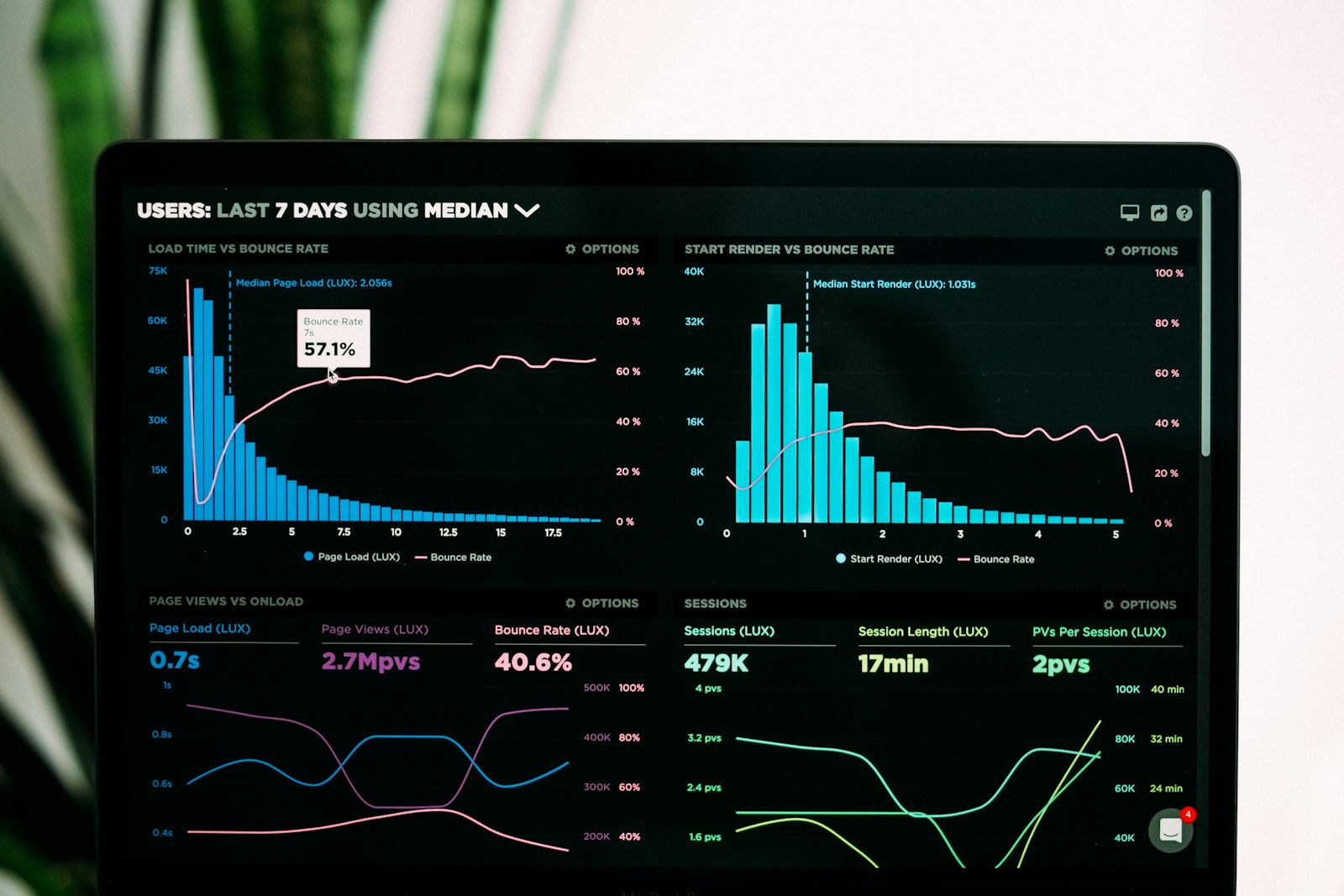
- Open-source core means anyone can download, modify, and self-host Grafana for free.
- Grafana Labs sells a commercial enterprise edition with additional plugins, support, and managed cloud services.
- It’s a critical part of the modern DevOps and MLOps stack — AI startups use it to monitor model latency, GPU utilization, and inference costs.
- The attack vector (stolen GitHub token) is a classic supply-chain threat that can affect any project that touches GitHub.
The Core News: What Actually Happened
In a series of social media posts on May 18, 2026, Grafana Labs disclosed that hackers had stolen a valid token credential that gave them access to the company’s GitHub environment. The attackers then exfiltrated source code and attempted to blackmail Grafana for payment, threatening to release the code publicly.
| Detail | Grafana Labs | Instructure (Comparison) |
|---|---|---|
| Type of attack | Stolen GitHub token → code exfiltration | Network compromise + data breach |
| Data affected | Source code only (no customer or financial data) | Staff & student PII, website defacement |
| Ransom paid? | No – refused, citing FBI advice | Yes – “reached an agreement” to pay |
| Response | Invalidated token, added security measures | Not disclosed in detail |
Grafana’s codebase is predominantly open source, so the theft of most of the code is not a loss of secrecy — but the company acknowledged that proprietary code may also have been taken. The investigation is ongoing.
This incident comes just weeks after Instructure (maker of Canvas LMS) chose to pay hackers who had compromised its network twice. Grafana’s refusal puts it in the camp of companies (like Sony, CNA Financial, and Colonial Pipeline in some cases) that take a firm no-pay stance.
Why This Matters: The Stakes for Open Source and AI
This story isn’t just about one company — it’s a stress test for the entire open-source ecosystem that AI tools depend on.
- Open source ≠ safe from extortion. Even public code can be weaponized if attackers find proprietary secrets, credentials, or internal build pipelines.
- GitHub tokens are the new crown jewels. A single compromised token can give an attacker the keys to the entire development kingdom — source code, CI/CD pipelines, and sometimes customer data.
- The “no pay” debate hardens. Grafana’s public refusal strengthens the argument that paying ransom funds the next attack and rarely guarantees data won’t be leaked anyway.
For AI tool developers who rely on Grafana, Prometheus, TensorBoard, or other open-source components, the takeaway is clear: token hygiene and least-privilege access are not optional.
Key Details: Technical Breakdown of the Attack
How the Breach Happened
- Stolen credential – The attackers obtained a valid GitHub token (likely via phishing, malware, or leaked environment variables).
- Access to source repositories – The token had read/write access to Grafana’s GitHub repositories.
- Exfiltration – The hackers cloned the codebase, including any proprietary code (e.g., enterprise plugins, internal tooling).
- Extortion attempt – The attackers contacted Grafana demanding payment to prevent public release.
- Company response – Grafana neutralized the token, rotated all secrets, and added multi-factor authentication (MFA) and conditional access policies.
What Was NOT Compromised
- ❌ Customer records
- ❌ Financial data
- ❌ Production monitoring infrastructure
- ✅ Only the GitHub environment was breached
Grafana’s Public Statement
“The attacker attempted to blackmail us, demanding payment to prevent the release of our codebase. We will not cooperate with criminals.”
This echoes the FBI’s longstanding guidance that paying ransom encourages cybercrime and does not guarantee data safety.
Competitive Landscape: Who Else Is Handling This Right?
The open-source ecosystem has seen a string of credential-based attacks. Here’s how Grafana’s response stacks up against peers:
| Company / Project | Attack Type | Paid Ransom? | Customer Data Exposed? | Public Posture |
|---|---|---|---|---|
| Grafana Labs (2026) | Stolen GitHub token | No | No | Transparent, ongoing investigation |
| Instructure (2026) | Network compromise | Yes | Yes (staff & student data) | Limited disclosure |
| Okta (2022) | Third-party contractor breach | No | No (but support cases) | Detailed post-mortem |
| PHP (2021) | GitHub token in malicious commit | N/A | No | Reverted and rotated |
| Codecov (2021) | Docker image compromise | N/A | Yes (customer env. vars) | Slow response, later acquired |
Grafana’s decision to refuse payment and communicate promptly sets a positive example, especially for other open-source companies that operate with thin margins and high trust.
What This Means for AI-Tool and AI-News Publishers
If you run an AI blog, a tool-review site, or a newsletter covering AI infrastructure, this story gives you high-authority content angles:
-
“Should You Pay Ransom?” – A Guide for Open-Source Startups
Analyze Grafana vs. Instructure. Include expert quotes from cybersecurity firms. SEO keywords: ransomware decision, open source security, FBI guidance. -
“How to Secure Your GitHub Tokens (Even If You’re an AI Solo Founder)”
Actionable checklist: rotating tokens, usinggh secret set, enabling MFA, using limited-scopefine-grained tokens. Target: Indie hackers and small AI teams. -
“Supply-Chain Attacks on AI Tools: A Timeline (2024–2026)”
Compile incidents like Grafana, Codecov, and thexz utilsbackdoor. Show how AI tools are increasingly targeted because they touch sensitive model weights and customer data. -
“Grafana Hack: What AI Monitoring Users Need to Know Now”
Practical advice: revoke any API tokens linking to Grafana, update CI/CD pipelines, check for suspicious commits. -
SEO opportunity: Search volume for “Grafana security breach 2026” will spike. Publish a news analysis within 24 hours, then follow up with deeper explainers.
Challenges Ahead: Risks and Limitations
Despite Grafana’s strong stance, several risks remain:
- Proprietary code may still be leaked. The attackers could release it despite Grafana’s refusal, damaging competitive advantage in enterprise features.
- Reputational damage. Even if no customer data was taken, the breach erodes trust among users who expect their dashboards to be built on secure foundations.
- Attackers may pivot. The same stolen token might have been used to poison future commits if not caught early. Grafana says it has invalidated the token, but post-breach code audits are essential.
- No guarantee of future prevention. Token theft can happen again via insider threats or zero-day exploits in GitHub itself.
- The “no pay” debate is not settled. Some critics argue that in cases where human lives or safety are at stake (e.g., hospital software), paying ransom may be the lesser evil. Grafana’s clean situation (no PII) made refusal easier.
Final Thoughts
Grafana Labs’ refusal to pay ransom is a principled stand that will be studied in cybersecurity classrooms for years. For the AI and developer community, the real lesson isn’t about ransom — it’s about credential hygiene. If a company that builds the very tools we use to monitor infrastructure can be breached via a single token, every startup with a GitHub repository should treat that token like a nuclear launch code. The next attack might target your AI model registry or customer database, and the answer to “should we pay?” may depend on how well you prepared today.
FAQ
What exactly was stolen in the Grafana breach?
Hackers stole the source code of Grafana’s software from its GitHub repositories, including any proprietary code. No customer, employee, or financial data was accessed.
Did the hackers demand a ransom?
Yes. They demanded payment in exchange for not releasing the codebase publicly. Grafana refused.
Why didn’t Grafana pay the ransom?
The company cited the FBI’s longstanding advice that paying ransom does not guarantee data safety, encourages more attacks, and funds criminal enterprises.
Is my Grafana dashboard affected by this breach?
If you use self-hosted open-source Grafana, your instance is not directly compromised — but you should rotate any API tokens that were connected to Grafana Labs’ services and check for suspicious activity.
How can I protect my own GitHub repositories from similar attacks?
Enable MFA, use fine-grained access tokens with minimal permissions, rotate tokens regularly, and monitor GitHub audit logs for unusual cloning or credential usage.
What’s next for Grafana Labs after this incident?
They are conducting a full investigation with a third-party security firm, will share findings publicly, and have already implemented additional token controls, conditional access, and secret scanning to prevent recurrence.