How should the military use AI?
As AI capabilities grow more advanced, militaries must balance innovation with ethics, security, and global stability. The way AI is integrated into defense strategies today could shape the future of warfare for decades.

Artificial Intelligence is rapidly transforming industries around the world, and the military sector is no exception. From autonomous drones and battlefield data analysis to logistics optimization and cyber defense, AI is becoming a powerful tool in modern warfare. However, the question that governments, defense agencies, and technologists are increasingly asking is: how should the military use AI responsibly and effectively?
As AI capabilities grow more advanced, militaries must balance innovation with ethics, security, and global stability. The way AI is integrated into defense strategies today could shape the future of warfare for decades.
The Growing Role of AI in Modern Warfare
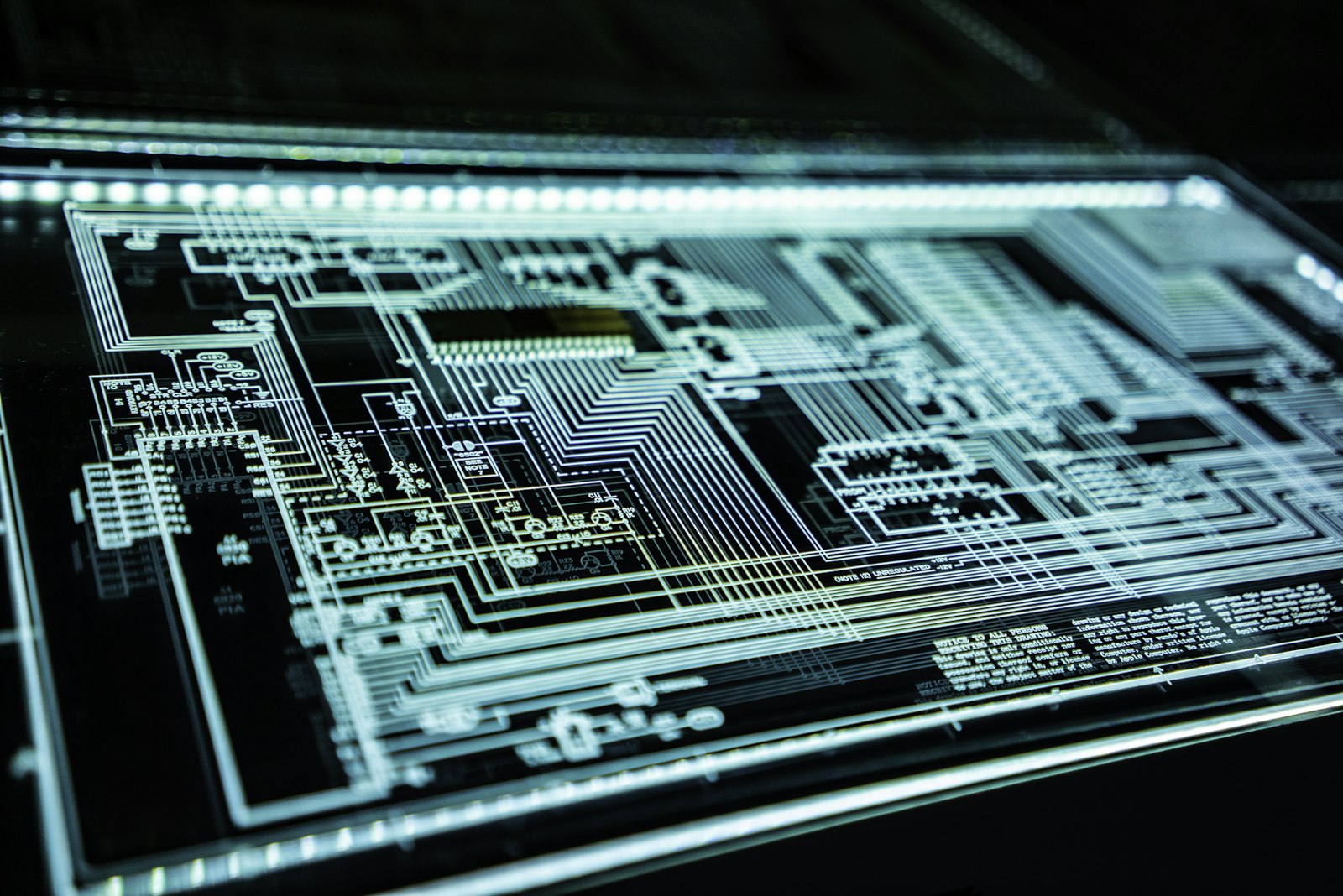
Modern military operations generate enormous volumes of data—from satellite imagery and drone surveillance to communications signals and sensor networks. AI systems can process this information far faster than human analysts.
Some of the most common AI applications in defense include:
- Intelligence analysis
- Surveillance and reconnaissance
- Cybersecurity monitoring
- Autonomous vehicles and drones
- Predictive maintenance for equipment
- Logistics and supply chain optimization
These technologies help militaries respond faster, make more informed decisions, and reduce risks to human personnel.
AI for Intelligence and Surveillance

One of the most valuable uses of AI in defense is analyzing intelligence data.
Modern surveillance platforms generate massive datasets including:
- Satellite imagery
- Drone footage
- Radar signals
- Electronic communications
AI models can scan these datasets to detect:
- Military movements
- Suspicious infrastructure activity
- Potential security threats
For example, machine learning systems can automatically detect tanks, ships, or missile launch sites in satellite imagery—dramatically speeding up intelligence analysis.
Autonomous Systems and Military Robotics
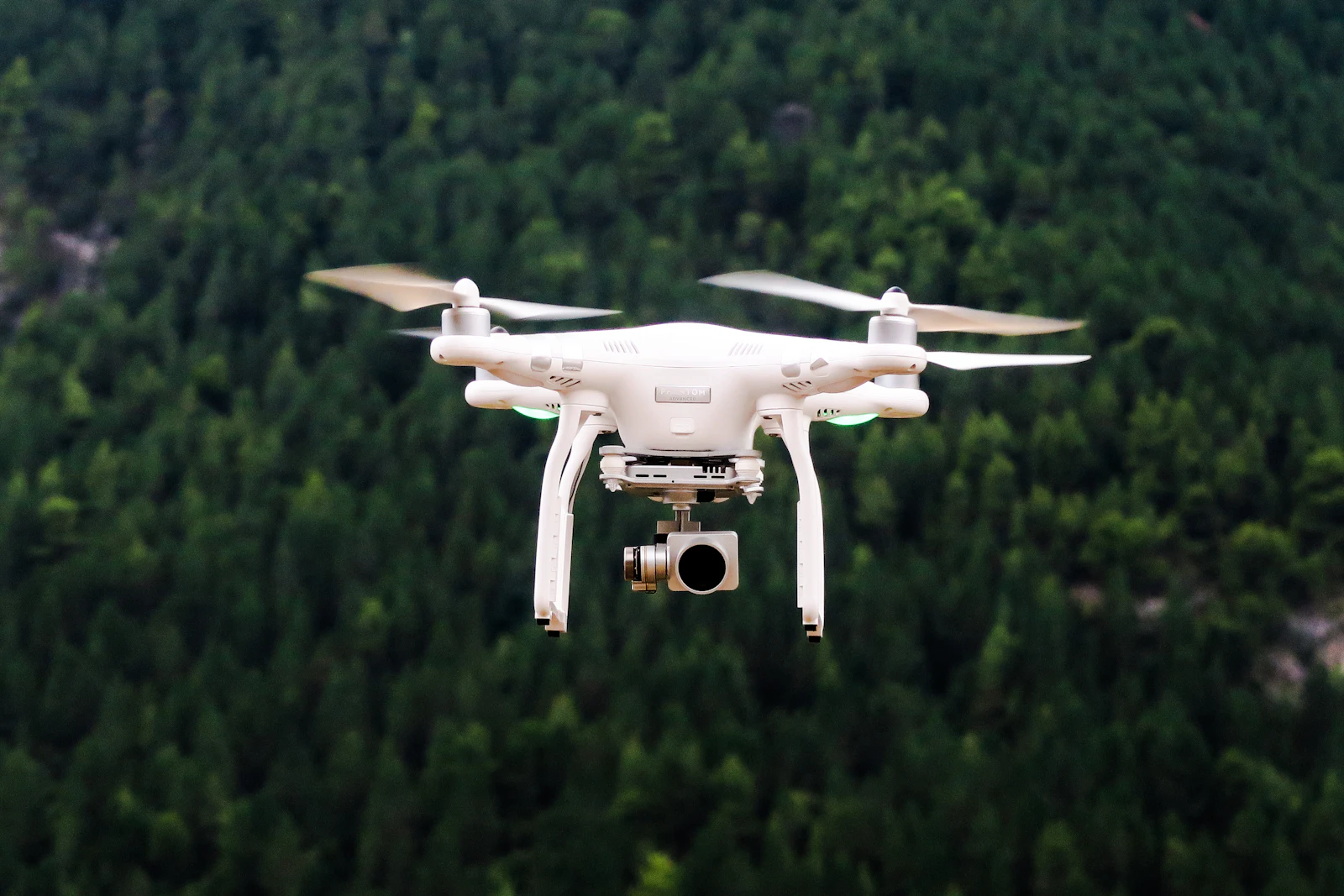
Autonomous systems represent one of the most controversial military uses of AI.
These technologies include:
- Autonomous drones
- Unmanned ground vehicles
- AI-powered naval vessels
- Robotic surveillance systems
Such systems can perform dangerous tasks like:
- Reconnaissance missions
- Bomb disposal
- Border patrol
- Disaster response
Supporters argue these tools can reduce casualties by removing soldiers from high-risk environments.
Critics warn about the risks of fully autonomous weapons making lethal decisions without human oversight.
AI in Cybersecurity and Digital Warfare
Cyber warfare is becoming one of the most critical battlegrounds in modern conflict.
AI can strengthen military cybersecurity by:
- Detecting network intrusions in real time
- Identifying malware patterns
- Predicting cyber attacks
- Automating defensive responses
Because cyber threats evolve rapidly, AI systems can adapt faster than traditional rule-based security tools.
However, adversaries can also use AI to launch more sophisticated cyber attacks, creating an ongoing technological arms race.
Logistics and Military Supply Chains

Military logistics is an enormous challenge involving:
- Fuel distribution
- Equipment maintenance
- Medical supply chains
- Transportation coordination
AI systems can optimize these operations by:
- Predicting equipment failures
- Planning efficient supply routes
- Managing inventory levels
- Forecasting battlefield demand
These improvements can save billions in operational costs while improving mission readiness.
Ethical Challenges of Military AI
Despite its advantages, AI introduces serious ethical concerns in warfare.
Key concerns include:
Autonomous Weapons
Fully autonomous weapons could select and attack targets without human approval. Many experts argue this should be prohibited or heavily regulated.
Accountability
If an AI system makes a lethal mistake, determining responsibility becomes complicated. Is the fault with the programmer, the operator, or the military command?
Escalation Risks
AI-driven warfare could accelerate conflict escalation because decisions might occur faster than human diplomacy can intervene.
The Need for Human Oversight

Many defense experts believe that human oversight must remain central in military AI systems.
This concept is often described as “human-in-the-loop” decision-making, where AI assists but humans retain final authority over critical actions.
Key principles often proposed include:
- Human approval for lethal actions
- Transparent AI decision-making
- Strict testing and validation
- Clear accountability frameworks
These safeguards aim to ensure that AI enhances human judgment rather than replacing it.
Global AI Arms Race
Major global powers are investing heavily in military AI.
Countries including the United States, China, and Russia view AI as a strategic technology that could shape future geopolitical power.
Billions of dollars are being spent on:
- AI research and development
- Autonomous defense systems
- Cyber warfare capabilities
- Military data infrastructure
This competition raises concerns about a potential AI arms race, where rapid development could outpace ethical and regulatory frameworks.
The Future of Military AI
AI is unlikely to replace human soldiers entirely, but it will augment military capabilities in significant ways.
Future developments may include:
- Advanced autonomous reconnaissance swarms
- AI-driven battlefield simulations
- Real-time strategy optimization
- AI-assisted decision-making for commanders
If managed responsibly, these technologies could improve defense capabilities while minimizing risks to human life.
Final Thoughts
Artificial intelligence has the potential to transform military operations in ways comparable to the introduction of radar, nuclear weapons, or the internet.
However, with that power comes enormous responsibility. The challenge facing governments and defense organizations is ensuring that AI is used to strengthen security without undermining ethical principles or global stability.
The future of military AI will depend not only on technological innovation but also on international cooperation, regulation, and responsible leadership.
FAQ
Why is AI important for the military?
AI helps militaries process large amounts of data, automate dangerous tasks, improve cybersecurity, and optimize logistics.
Can AI replace human soldiers?
No. While AI can assist in many areas, human decision-making remains essential for complex strategic and ethical judgments.
What are autonomous weapons?
Autonomous weapons are systems capable of identifying and engaging targets without direct human control.
Why are autonomous weapons controversial?
Many experts worry that removing humans from lethal decisions could lead to ethical violations and accidental escalation of conflicts.
Which countries are investing most in military AI?
Major investments are being made by the United States, China, Russia, and several NATO countries.
Will AI make warfare more dangerous?
It could. AI may accelerate conflict decisions and introduce new cyber and autonomous weapon risks if not carefully regulated.
Mentioned in this article
Tools
ChatGPT Atlas
ChatGPT Atlas is a next-generation AI-powered intelligence platform designed to map, organize, an

ChatGPT Atlas is a next-generation AI-powered intelligence platform designed to map, organize, and generate knowledge at scale. Built on advanced natural language processing (NLP) and large language models , ChatGPT Atlas helps users research faster, create high-quality content, analyze comple

Productivity Page
Productivity Page is an AI-powered productivity app designed to help users manage tasks, notes,

Productivity Page is an AI-powered productivity app designed to help users manage tasks, notes, habits, and goals in a unified and streamlined manner. It addresses the common problem of fragmented digital workflows by providing a central hub for all essential productivity elements, leveraging i


