How to compare ai search optimization tools.
Choosing the right AI search optimization tool requires a structured, data-driven approach. This guide walks you through **what to compare, how to score tools, and how to validate performance.
AI Search Optimization Tools: How Businesses Are Learning to Compare Them Effectively
As artificial intelligence reshapes how users discover information online, companies are increasingly turning to AI search optimization tools to stay competitive. But with dozens of platforms promising better rankings, smarter relevance, and higher conversions, choosing the right tool has become a challenge in itself.
Industry experts say the key lies in structured, data-driven comparison, rather than feature-driven hype.
Defining the Use Case Comes First
The first step in comparing AI search optimization tools is understanding why a company needs one.
Different tools are built for different outcomes. Some focus on content SEO, others on website or e-commerce search, while a growing category targets internal knowledge discovery for enterprises.
| Use Case | Primary Objective |
|---|---|
| Content SEO | Improve rankings and topical authority |
| Website Search | Increase relevance and user satisfaction |
| E-commerce Search | Drive conversions and revenue |
| Internal Search | Speed up knowledge discovery |
Experts warn that comparing tools without a clear use case often leads to poor adoption and disappointing results.
Core Capabilities Under the Microscope
Once the use case is defined, companies typically evaluate tools across several core dimensions.
Search and Optimization Features
 Modern AI search platforms are judged on their ability to deliver semantic relevance, detect user intent, cluster keywords intelligently, and offer actionable content optimization suggestions.
AI and Machine Learning Depth
Buyers increasingly look beyond buzzwords, assessing whether a tool relies on LLMs, embeddings, or vector search, and whether it supports customization, fine-tuning, or personalization at scale.
Integration and Compatibility
Ease of integration is another deciding factor. Support for popular CMS platforms, APIs, analytics tools, and deployment optionsΓÇöSaaS versus self-hostedΓÇöcan significantly affect implementation timelines.
Analytics, Speed, and Scale Matter More Than Ever
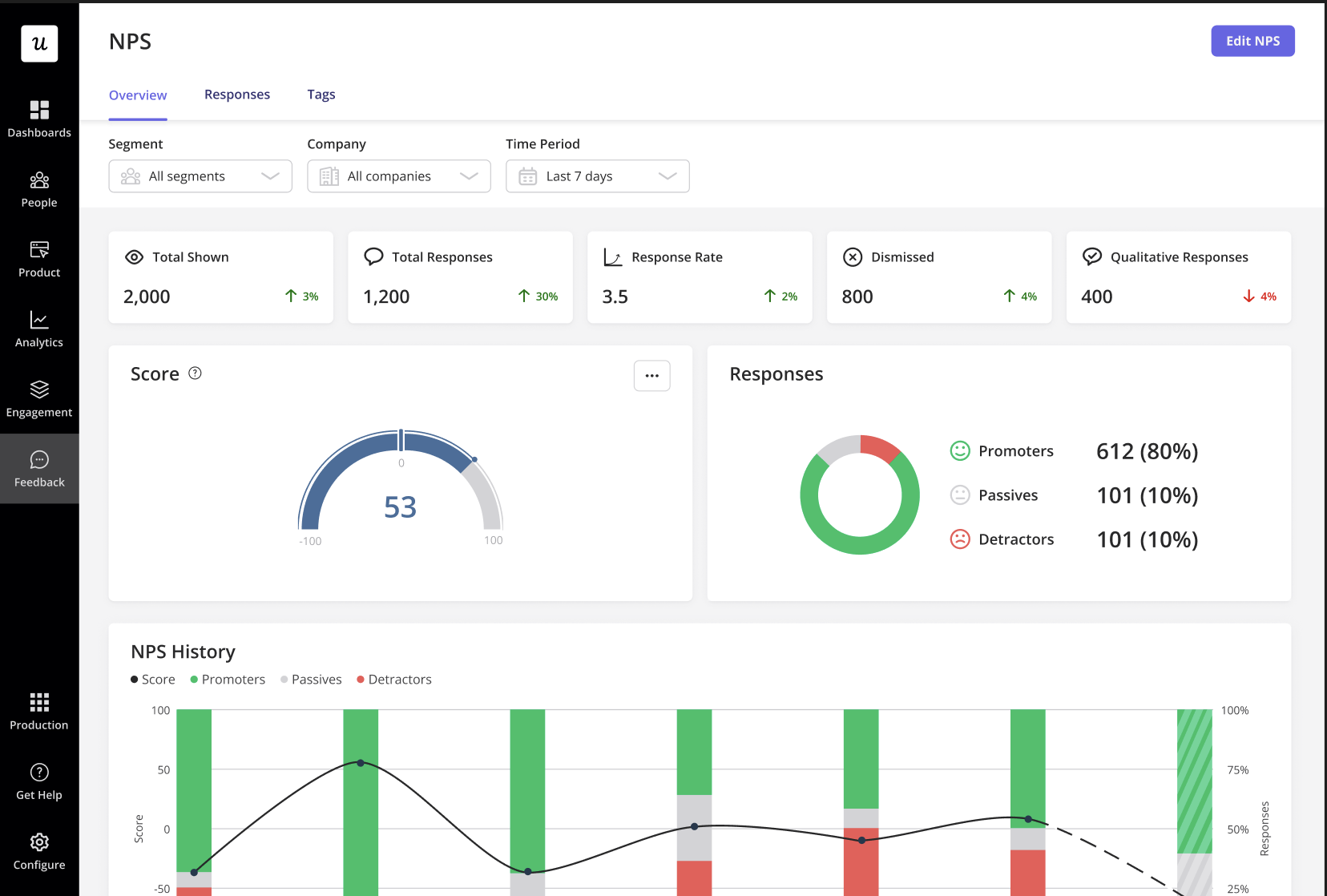
With AI-driven search impacting revenue directly, analytics have become non-negotiable. Decision-makers look for:
- Query-level insights
- Click-through and engagement metrics
- Conversion attribution
- Built-in A/B testing
Performance also plays a critical role. Tools are evaluated on response time, indexing speed, multilingual support, and enterprise scalability.
Pricing, Security, and Support Enter the Equation
Pricing models vary widely, from flat subscriptions to usage-based plans with hidden limits. Organizations are increasingly cautious about long-term cost predictability.
At the same time, security and complianceΓÇöincluding GDPR and CCPA readiness, encryption, and audit logsΓÇöhave become essential, especially for enterprise buyers.
Support quality, documentation, and community ecosystems often influence whether a tool succeeds after purchase.
How Companies Are Scoring Their Options
To cut through complexity, many teams use weighted scoring frameworks that prioritize business impact over raw features.
| Evaluation Area | Typical Weight |
|---|---|
| Search Relevance | 25% |
| AI Capabilities | 20% |
| Integrations | 15% |
| Analytics | 10% |
| Speed & Scalability | 10% |
| Pricing | 10% |
| Support | 10% |
Tools are then scored side-by-side, making trade-offs more transparent.
Real-World Testing Separates Winners From Promises
Beyond demos, companies increasingly rely on pilot deployments. These tests focus on real queries, long-tail searches, and industry-specific terms, often combined with A/B testing.
Key performance indicators include click-through rate, bounce rate, time-to-information, and conversion liftΓÇömetrics that reveal whether AI-driven optimization actually delivers value.
Post-Deployment Metrics Tell the Final Story
After rollout, teams closely monitor performance indicators such as:
- Search CTR
- Dwell time
- Conversion improvements
- Page and search load times
Sustained improvement across these metrics is often the strongest validation of a tool’s effectiveness.
A Shift From Features to Outcomes

Industry observers note a clear trend: companies are moving away from choosing tools based on feature lists alone.
“The best AI search optimization tool isn’t the most complex oneΓÇöit’s the one that delivers measurable business outcomes,” said one product leader involved in multiple enterprise evaluations.
As AI-driven search continues to evolve, the ability to compare tools methodically may prove just as important as the technology itself.