In Japan, the robot isn’t coming for your job; it’s filling the one nobody wants
Japan’s workforce shortage is one of the most acute in the developed world. The country’s population is both aging and shrinking: more than 28 percent of Japanese citizens are aged 65 or above,

In Japan, the robot wave isn’t crashing through offices to replace white‑collar workers or sweeping aside cashiers at major chains. Instead, it’s quietly moving into the jobs that no one wants: dirty, physically demanding, socially unglamorous, and chronically understaff Baseball fields disappearing behind the roar of server farms. [1][2]
From elderly care and sanitation to construction and warehouse logistics, Japanese companies are deploying robots not to “steal” jobs, but to fill labor gaps created by a combination of aging demographics, low birth rates, and a shrinking working‑age population. [1][2] For many communities, the arrival of a robot is not a sign that automation is destroying work; it is a sign that Japan is using machines to preserve essential services that would otherwise collapse.
Japan’s Labor Crisis: Why Robots Are Needed
Japan’s workforce shortage is one of the most acute in the developed world. The country’s population is both aging and shrinking: more than 28 percent of Japanese citizens are aged 65 or above, while the number of young people entering the labor market is declining year after year. [1][3] The result is a structural labor deficit in sectors that rely on physical labor, personal care, and front‑line services—sectors already seen as low‑status, low‑pay, and difficult to staff. [1][2]
In such an environment, automation is less about “efficiency” and more about survival. Without robots and other forms of intelligent automation, hospitals, care homes, and factories cannot maintain current levels of service. [1][2] The government and private sector have therefore turned to robotics and AI‑assisted systems as a way to keep essential work running, even when human workers are scarce or unwilling to take on the roles. [1][3]
Robots in Elderly Care: Filling the Human Gap

One of the most visible domains for Japanese robots is elderly care. Japan’s rapidly aging society has created a massive demand for caregivers, nurses, and support staff—yet the profession is notorious for long hours, low pay, and high physical strain. [1][3] As a result, many care facilities struggle to hire and retain staff, while families and municipalities worry about the quality of care for elderly relatives. [2][4]
Robots are stepping into this gap in several ways. Care‑assistance robots help lift and transfer elderly residents from beds to wheelchairs, reducing the physical burden on human caregivers and lowering the risk of back injuries. [1][2] Other robots act as companions, offering basic conversation, reminders, and emotional support to seniors living alone or in institutions. [3][4] These machines do not replace human nurses, but they allow limited staff to focus on more complex medical and emotional tasks rather than repetitive manual labor. [1][2]
The social and psychological impact of this shift is subtle but profound. In many Japanese households and facilities, the presence of a robot is less a technological novelty and more a practical necessity: it helps keep older people safe, mobile, and engaged at a time when human personnel are in short supply. [3][4] At the same time, it reshapes expectations about what constitutes “care work,” blurring the line between human and machine‑assisted support. [1][2]
Sanitation, Construction, and the “Dirty Jobs” Robots Do

Beyond care, Japanese robots are increasingly visible in what are often called “3D jobs”: dirty, difficult, and dangerous. These include sanitation work, construction, waste management, and infrastructure maintenance—roles that are physically exhausting, often hazardous, and frequently overlooked in public discourse. [1][2]
In Tokyo and other major cities, robotic exoskeletons and mechanical assistive devices are being tested with sanitation workers who must handle heavy waste, climb ladders, and work in tight, uncomfortable conditions. [2][4] These systems reduce strain on the body, lower the risk of injury, and make it easier for workers to continue on the job into later years. [1][2] In effect, robots are not replacing sanitation staff; they are enabling them to keep working safely in roles that might otherwise push them out of the labor force.
Construction sites across Japan are also integrating robots and automation tools. Brick‑laying robots, autonomous surveying drones, and AI‑assisted scheduling systems help construction firms complete projects more quickly and with fewer manual workers than in the past. [1][2] Given the industry’s chronic shortage of skilled labor and its reputation for tough working conditions, this has become a pressing priority rather than a luxury. [1][3] In many cases, robots are taking on the most physically intense and repetitive tasks—pouring concrete, lifting heavy materials, or working in high‑risk environments—while humans oversee planning and quality control. [1][2]
Even in waste management, robots are being deployed to sort recyclables, inspect hazardous materials, and manage logistics in facilities where heat, humidity, and noxious odors make conditions unpleasant for human workers. [2][4] These machines can operate for long hours without fatigue, tolerate extreme environments, and maintain consistent performance, which is crucial in an industry where human operators are scarce and turnover is high. [1][2]
Warehouses, Logistics, and the Quiet Automation of Trucking

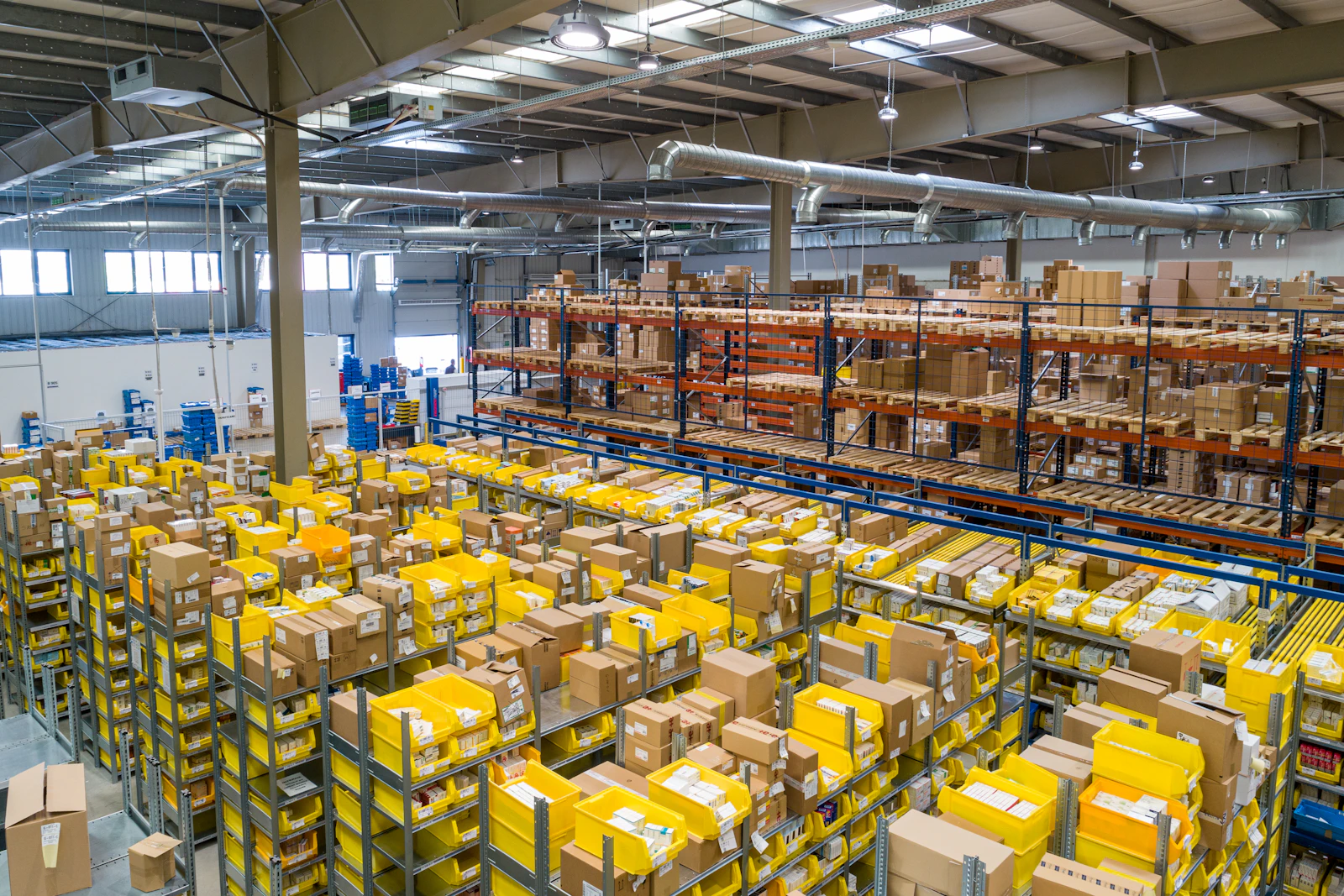
Another major area where robots are filling unwanted jobs is logistics. Japan’s e‑commerce boom has increased demand for fast delivery, warehouse sorting, and last‑mile logistics, but the industry has long struggled with low wages and harsh working conditions in warehouses and distribution centers. [1][2] Night shifts, early‑morning schedules, and physically demanding work have made it difficult to attract and retain haulers and warehouse staff. [1][3]
In response, Japanese companies are turning to automated guided vehicles (AGVs), autonomous forklifts, and robotic sorting systems. These machines move pallets, scan packages, and route goods through warehouses with minimal human intervention, allowing human workers to focus on supervision, quality checks, and customer‑facing tasks. [1][2] Some firms are also experimenting with autonomous delivery trucks and drones for rural and semi‑rural routes, where drivers are especially hard to retain. [2][4]
The effect is not mass unemployment, but rather a reconfiguration of labor. In many warehouses that have adopted robots, the number of low‑pay, high‑turnover picking jobs has declined, while the demand for technicians, maintenance staff, and logistics coordinators has risen. [1][3] For workers, this can mean a shift from physically grueling roles to more technical or supervisory positions, albeit with new training requirements. [1][2]
Agriculture and Fisheries: Robots in the Fields and on the Boats

Japan’s agricultural and fishing sectors are also facing severe labor shortages. Young people are increasingly reluctant to work in farms or on fishing boats, which are often isolated, physically demanding, and unpredictable. [1][3] At the same time, an aging generation of farmers and fishermen is retiring, leaving behind businesses that cannot find successors. [2][4]
Robots and automation are helping to keep these industries alive. In agriculture, companies are deploying small, autonomous tractors and drones that can plant, fertilize, and monitor crops with minimal human input. [1][2] These machines can work long hours, operate in difficult terrain, and collect real‑time data on soil quality, moisture levels, and pest presence, allowing older farmers to make better decisions without performing all the manual labor themselves. [1][3]
In fisheries, Japan is experimenting with autonomous or semi‑autonomous fishing boats equipped with AI‑driven sonar and navigation systems. These vessels can locate schools of fish, set nets, and return to port with less need for constant human supervision. [2][4] While they do not replace experienced fishermen entirely, they reduce the physical strain of long voyages and make it possible to sustain operations even as the pool of willing crew members shrinks. [1][3]
For rural communities, this shift is crucial. Without robots and automation, entire regions risk losing their traditional industries and the economic and cultural identity that goes with them. [2][4] In many Japanese villages, robots are not luxury devices but lifelines for preserving local agriculture, fisheries, and food security. [1][3]
The “Nobody Wants This Job” Dynamic

What ties these examples together is a deeper social pattern: robots are being deployed first and most intensively into jobs that are socially devalued, physically taxing, and financially unrewarding. [1][2] In Japan, these roles are often filled by older workers, migrants, or part‑time laborers who have few other options, but even this pool is shrinking. [1][3]
By contrast, white‑collar and creative professions—where work is often seen as higher‑status, more intellectually stimulating, and better paid—are experiencing a different kind of automation. Here, AI tools support knowledge workers rather than replace them outright, handling routine tasks like drafting emails, summarizing documents, or generating basic code. [1][2] The robots in factories, care homes, and warehouses, on the other hand, are stepping into the roles that humans are increasingly unwilling to take on. [1][2]
This dynamic raises important questions about equity and social value. If robots are absorbing the least desirable work, are we praising the wrong kind of jobs? Are we allowing the economy to relegate certain tasks to machines while under‑recognizing the human labor that still underpins them? [1][2] In Japan, where respect for elders and social harmony are central cultural values, these tensions are particularly visible. [1][3]
Public Perception: Fear vs Acceptance of Robots

Public attitudes toward robots in Japan are more nuanced than in many Western countries. On one hand, there is a long‑standing cultural fascination with robotics, from anime and manga to real‑world innovations in humanoid robots and service machines. [2][4] This has created a relatively high level of comfort with the idea of robots in daily life, especially in roles that support rather than replace humans. [1][3]
On the other hand, many Japanese workers in low‑status, physically demanding jobs still worry about being sidelined or replaced by machines. [1][2] There is concern that employers may use robots to cut costs, reduce wages, or push older workers into early retirement, even as the official narrative focuses on “assisting” human labor. [1][3] Labor unions and advocacy groups have therefore called for stronger regulations, transparency, and retraining programs to ensure that automation benefits workers rather than simply displacing them. [2][4]
The reality appears to be somewhere in the middle. In many Japanese workplaces, robots are being introduced alongside, not in place of, human workers. They handle repetitive, dangerous, or physically taxing tasks, while humans focus on oversight, customization, and interpersonal care. [1][3] This hybrid model has helped ease some of the anxiety about job loss, although questions about long‑term employment trends and wage structures remain unresolved. [1][2]
Policy, Regulation, and the Future of Work
Japan’s government has responded to the labor‑and‑robotics challenge with a mix of incentives and regulations. National AI and robotics strategies explicitly link automation to solving the demographic crisis, while also emphasizing the need to protect workers, maintain social stability, and ensure that gains from productivity improvements are broadly shared. [1][3] Subsidies for companies that invest in robotics, tax breaks for firms that retrain workers, and programs that support older workers’ continued participation in the labor force are all part of this approach. [1][2]
At the same time, Japanese regulators are grappling with questions about safety, liability, and data privacy in human‑robot workplaces. As robots become more integrated into care, construction, and logistics, clear rules are needed on who is responsible when a robot causes an accident, misidentifies a medical condition, or mishandles sensitive personal information. [2][4] These issues are likely to shape how Japan structures its future labor‑robot ecosystem, balancing the need for automation with the imperative to protect both workers and citizens. [1][3]
Broader Lessons for the Global AI‑Robotics Landscape
Japan’s experience with robots filling the jobs “nobody wants” offers lessons for other countries facing similar demographic and labor challenges. [1][3] As populations age and birth rates decline in many OECD and emerging‑market nations, tasks that are physically demanding, socially undervalued, or poorly paid may become harder to staff—just as they have in Japan. [1][2]
In such contexts, the Japanese model suggests that robots are less likely to obliterate entire occupations and more likely to reshape them. [1][3] They may take over the most unpleasant, repetitive, or hazardous parts of a job, while humans move into higher‑level supervisory, technical, or relational roles. [1][2] This can reduce suffering and injury, improve productivity, and keep essential services running—but it also requires proactive investment in training, safety standards, and social protections. [1][2]
For policymakers, this implies a need to think beyond “job loss” as the primary metric for AI and robotics. Instead, the focus should shift to “job transformation” and “labor‑quality improvement,” asking how automation can make work more humane, less physically taxing, and more sustainable over time. [1][3] For businesses, it means designing robots not only to cut costs but to enhance the value of human work, particularly in sectors that have long been overlooked. [1][2]
Conclusion: Robots as Tools, Not Replacements
In Japan, the robot story is not a dystopian tale of machines taking over human jobs. It is, instead, a pragmatic response to a deep structural crisis: too few young people, too many elderly citizens, and too many socially essential roles that no one wants to do. [1][2][3] Robots are being deployed precisely where the human labor market is weakest, filling the gaps that have been left open by demographic decline and social preferences. [1][2]
This does not absolve the need for careful oversight, fair wages, and strong social protections. [2][4] It does, however, suggest that in many real‑world settings, robots are not the enemy of employment but a necessary partner in sustaining economies that would otherwise struggle to function. [1][2][3] For a website like getaitool.in, this evolution underscores a broader theme in AI and robotics: the most transformative impact may not be in glamorous knowledge‑work automation, but in quietly taking over the dirty, difficult, and dangerous jobs that keep societies running.
FAQ
Why do people think robots are “filling the jobs nobody wants” in Japan?
Because robots are being deployed first into physically demanding, low‑status, and understaffed roles in care, sanitation, agriculture, and logistics—areas where human workers are scarce and often reluctant to join. [1][2][3]
Are robots replacing human workers in Japan?
In many cases, robots are not replacing human workers but reducing their physical burden and allowing them to focus on more complex, supervisory, or interpersonal tasks. [1][2]
Why are robots more acceptable in elderly care?
Robots in elderly care mainly assist with lifting and routine tasks, while humans remain central to emotional support and nursing. This makes them feel like helpers rather than substitutes. [2][3]
What kinds of jobs are robots doing in Japan?
Robots are used in elderly care (lifting, companionship), construction (brick‑laying, inspection), sanitation (exoskeletons, cart handling), agriculture (autonomous tractors, drones), and logistics (AGVs, sorting machines). [1][2][4]
Is Japan’s robot‑driven model sustainable?
Early evidence suggests it helps sustain essential services in an aging society, but long‑term sustainability depends on fair labor practices, safety regulations, and continued investment in worker training. [1][2][3]
Mentioned in this article
Tools

Formably
Formably is an AI-powered form backend designed to help businesses transform unstructured form d

Formably is an AI-powered form backend designed to help businesses transform unstructured form data into actionable insights by leveraging artificial intelligence and automation . Formably addresses the common problem of managing and extracting value from form submissions, which often arrive a

PDFdigest
PDFdigest is an innovative AI-powered PDF summarization tool that transforms lengthy research pap

PDFdigest is an innovative AI-powered PDF summarization tool that transforms lengthy research papers and documents into concise, engaging explainer videos. It solves the problem of information overload and time constraints by automating the process of distilling complex text into easily digestibl

MiroAI
MiroAI is an innovative AI-powered collaboration platform designed to help teams enhance brainst

MiroAI is an innovative AI-powered collaboration platform designed to help teams enhance brainstorming, strategizing, and design processes by integrating artificial intelligence directly into a visual workspace. MiroAI addresses the challenges of inefficient brainstorming sessions, information
Digibate
Digibate is an AI-powered digital marketing automation platform designed to help users streamlin

Digibate is an AI-powered digital marketing automation platform designed to help users streamline and accelerate their online marketing campaigns by leveraging artificial intelligence, machine learning, and automated workflows . Digibate addresses the challenges businesses face in managing com

Developer Toolkit
Developer Toolkit is an innovative AI-powered development platform designed to help developers a

Developer Toolkit is an innovative AI-powered development platform designed to help developers accelerate coding workflows and improve software quality by leveraging artificial intelligence, machine learning, and intelligent code analysis . This platform addresses the challenges of modern soft

goPDF Pro
goPDF Pro is a comprehensive AI-powered document automation platform designed to help users stre

goPDF Pro is a comprehensive AI-powered document automation platform designed to help users streamline document workflows and generate intelligent documents by leveraging artificial intelligence, automation, and robust API integrations . goPDF Pro addresses the challenges of manual document cr


