India Orders Temporary Telegram Ban Over NEET Exam Fraud Concerns
India Orders Temporary Telegram Ban Over Exam Fraud: What This Means for AI Tools and Content Creators **India has ordered a nationwide block on Telegram unt...
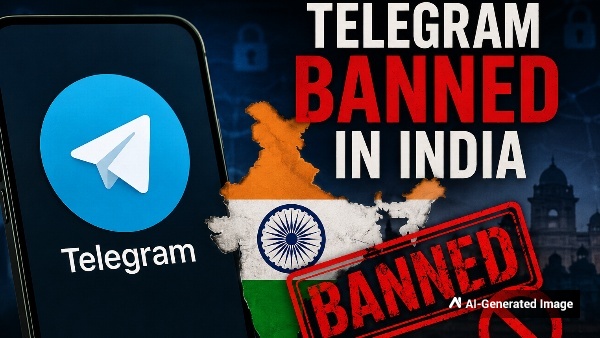
India Orders Temporary Telegram Ban Over Exam Fraud: What This Means for AI Tools and Content Creators
India has ordered a nationwide block on Telegram until June 22, citing organized cheating networks using the messaging app to sell fake exam papers and spread misinformation ahead of the NEET medical entrance re-test. This isn't just another government takedown — it's a massive signal to every AI tool developer, bot builder, and content creator who depends on Telegram for distribution, automation, or audience engagement. The National Testing Agency (NTA) has also demanded Telegram disable its message-editing feature until June 30, calling it a tool for fabricating evidence of leaks. If you run a Telegram channel, a bot for exam prep, or an AI-powered customer service workflow, you need to rethink your fallback plan — right now.
Section 1: Background — What Is Telegram and Why Is India Its Biggest Market?

Telegram is a cloud-based messaging platform famous for its encrypted chats, large group channels (up to 200,000 members), bots, and file-sharing capabilities. Unlike WhatsApp, Telegram allows users to edit messages after sending, schedule posts, and build automated workflows using bots — features that have made it the go-to platform for:
- EdTech companies distributing study materials and mock tests
- AI tool developers deploying chatbots for customer support or lead generation
- Content creators running paid subscription channels for premium insights
- News aggregators using bots to push curated content
India is Telegram's largest market by downloads, with over 200 million users as of early 2026. The platform's open bot API has spurred a vibrant ecosystem of third-party AI tools, from quiz bots to automated content repurposers. That ecosystem is now under direct threat.
Section 2: The Core News — What Changed and How It Works
The Indian government, through the National Testing Agency (NTA), has issued an order under Section 69A of the Information Technology Act, 2000 to block Telegram nationwide from June 16 to June 22, 2026. The order also demands that Telegram disable its message-editing feature until June 30.
| Measure | Duration | Reason |
|---|---|---|
| Nationwide block of Telegram | June 16–22 | Prevent sale of fake exam papers and spread of misinformation ahead of NEET re-test |
| Disable message-editing feature | Until June 30 | Prevent cheaters from editing sent messages to fabricate evidence of paper leaks |
The NEET (UG) exam — the National Eligibility Entrance Test for medical colleges — is taken by over 2.5 million students annually. A paper leak scandal in May 2026 forced a re-test on June 21. The NTA claims organized cheating rackets are using Telegram channels to sell fake question papers and post "leaked" content, then editing messages after the exam to claim foreknowledge.
How the Block Works in Practice
- Internet Service Providers (ISPs) are directed to block Telegram's domain names and IP addresses.
- VPNs may still work, but the block is enforced at the network level.
- Telegram's message-editing feature — a core differentiator from WhatsApp — is to be disabled globally for Indian users? The order only applies to India, but Telegram would need to implement a geo-fenced restriction.
- The block is temporary, but could be extended if the NTA detects continued fraud.
Important caveat: As of publication, Telegram remained accessible in India and the editing feature still worked. Enforcement may be delayed.
Section 3: Why This Matters — The Stakes for AI and Content Business
This is not just a one-week inconvenience. The ban sets a precedent for how India — a country of 1.4 billion people and the world's second-largest internet market — can invoke Section 69A to block entire platforms over perceived misuse. If the government finds Telegram's compliance inadequate, similar blocks could become semi-permanent or extend to other apps like WhatsApp, Signal, or Discord.
| Entity | Impact Level | Why |
|---|---|---|
| Telegram itself | High | Loss of engagement, advertising revenue, and user trust in India — its biggest market |
| AI bot developers on Telegram | Critical | Bots are useless during a block; no way to reach users or process commands |
| EdTech platforms using Telegram | High | Loss of distribution channel for mock tests and doubt-solving sessions |
| Content creators with paid channels | Medium-High | Revenue loss during ban; possible refund demands |
| Digital rights advocates | Concerned | Sets a dangerous precedent for platform-wide blocks without due process |
The "so what?" for our audience: If you build AI tools that rely on Telegram's API — like chatbot plugins, automated content repurposers, or lead generation bots — your entire user base in India just disappeared for at least a week. Even after the ban lifts, users may migrate to WhatsApp or other apps. The trust in Telegram as a stable platform is shaken.
Section 4: Key Details — Technical Breakdown and Implications
4.1 How Section 69A Works
Section 69A allows the Indian government to block public access to any online content or service if it believes the content threatens sovereignty, integrity, defense, security, or public order. The NTA argues that exam fraud qualifies as a threat to public order. Critics say this is a stretch — Section 69A was designed for terrorism or national security threats, not cheating in exams.
4.2 Message-Editing Feature: Why It Matters for AI
Telegram's ability to edit messages after sending is a key feature for many AI workflows:
- Bot recovery: If a bot sends a wrong response, developers can edit it without deleting the conversation.
- Dynamic content updates: News bots can update a single message with breaking headlines.
- Anti-spam measures: Admins can edit offensive messages from users.
Disabling this feature — even temporarily — would break existing automations and force developers to revert to simpler, less reliable workarounds.
4.3 What the Block Means for Telegram Bots
- Bots hosted on Telegram's servers will be unreachable for Indian users.
- Bot commands (e.g., /start, /help) will not be delivered.
- Webhook-based bots might still work if the bot's external server is outside India, but the user messages won't reach them.
- Bots that store data in Telegram's cloud (e.g., quiz results) will be inaccessible.
Section 5: Competitive Landscape — Who Benefits and Who Loses
| Platform | Use Case for AI Tools | Impact of Telegram Ban |
|---|---|---|
| Business API for chatbots, customer support | Winner — Migrating Telegram users likely switch here | |
| Signal | Encrypted communication, no bot ecosystem | Neutral — Not a direct alternative for bot-heavy workflows |
| Discord | Community channels, AI game bots | Slight winner — Already popular among developers; some Indian communities may shift |
| Slack | Corporate AI integrations | No impact — B2B, not mass-market |
| Custom web apps / Progressive Web Apps (PWAs) | AI-powered learning platforms | Indirect winner — EdTech companies may accelerate in-house app development |
Key takeaway for startup founders: If your product's core distribution channel is Telegram, diversification is no longer optional. Build a WhatsApp chatbot parallel or a simple web portal. The ban may be temporary, but the risk of future blocks is real.
What This Means for AI-Tool and AI-News Publishers
This story is a goldmine for content angles that resonate with your Indian audience — developers, EdTech founders, and AI enthusiasts. Here are 5 concrete topics you can write or create videos about right now:
- "How to Migrate Your Telegram Bot to WhatsApp API in 48 Hours (Step-by-Step)" — Practical guide for bot developers facing the ban.
- "Section 69A: The Law That Can Shut Down Your AI Startup Overnight" — Explain the legal framework and what founders need to know.
- "Telegram vs. WhatsApp for AI Chatbots: Which Platform Is Safer for Indian Developers?" — Data-driven comparison of bot APIs, moderation policies, and regulatory risk.
- "Top 5 Alternatives to Telegram for Hosting Paid AI Tool Communities" — Review Discord, Circle, Slack, and custom community platforms.
- "NEET Paper Leak and AI: How Deepfakes and Bots Could Exploit Exam Fraud" — A deeper tech analysis connecting AI-generated fake papers to the broader concern.
SEO note: Keywords like "Telegram ban India 2026," "Section 69A AI bots," "Telegram alternatives for EdTech," and "exam fraud prevention AI" will likely surge. Optimize your articles and newsletter editions around these terms.
Challenges Ahead — Risks and Limitations
- Enforcement is patchy. ISPs may not implement the block uniformly. Users who rely on VPNs or DNS over HTTPS will bypass the ban easily, undermining the NTA's goal.
- Telegram may resist. The company has a history of ignoring government demands (e.g., in Russia). If it refuses to disable message-editing, the block could become permanent.
- Collateral damage. The ban affects millions of legitimate users — students sharing notes, doctors discussing cases, journalists communicating with sources.
- No due process. The NTA bypassed courts. Digital rights groups will likely challenge the order in the Supreme Court, but that could take months.
- Future precedents. If the government can block Telegram for exam fraud, it can block any platform for any perceived "public order" threat — including AI tools that critique government policies.
Final Thoughts
India's Telegram ban is a warning shot across the bow of every developer building on third-party messaging infrastructure. While the immediate trigger is exam fraud, the real story is about platform dependency, regulatory risk, and the fragility of AI distribution channels in emerging markets. For AI-tool and content publishers in Delhi and beyond, the smart move isn't to panic — it's to build redundancy, invest in owned channels (websites, newsletters, PWAs), and stay alert for the next twist in this saga. The 2026 NEET re-test will happen on June 21. What happens after that — between Telegram, the government, and the Supreme Court — will shape India's digital landscape for years.
FAQ
What exactly did the Indian government order regarding Telegram?
India ordered a nationwide block of Telegram from June 16 to June 22, 2026, and demanded that Telegram disable its message-editing feature until June 30 — all to prevent cheating during the NEET medical entrance exam re-test.
Does the ban affect Telegram bots and AI tools?
Yes, any bot or AI tool that relies on Telegram's API will be completely unreachable for Indian users during the block. Webhooks and cloud-stored data will be inaccessible.
When does the ban start and how long will it last?
The block began on June 16 and is scheduled to lift on June 22, one day after the NEET re-test. The message-editing feature restriction lasts until June 30.
Are there any alternatives for developers who rely on Telegram?
Yes — WhatsApp Business API, Discord, Slack, and custom web apps are viable alternatives. Many EdTech startups are already migrating their chatbot workflows to WhatsApp.
What are the risks of this ban for AI and content businesses?
Loss of user engagement, revenue from paid channels, and trust in Telegram as a stable platform. The ban also sets a legal precedent for future platform-wide blocks under Section 69A.
Could the ban become permanent?
Possibly, if Telegram refuses to comply with the message-editing demand or if the NTA finds continued fraud even after the block lifts. A legal battle is likely.


