Musk wants up to $134B in OpenAI lawsuit, despite $700B fortune
Elon Musk, the world’s richest individual with an estimated net worth approaching **$700 billion**


Elon Musk, the world’s richest individual with an estimated net worth approaching $700 billion, is seeking up to $134 billion in damages in his escalating lawsuit against OpenAI. The case has rapidly evolved into one of the most consequential legal battles in the history of artificial intelligence, raising questions not just about money, but about control, governance, and the future direction of AI development.
At its core, the lawsuit is less about personal wealth and more about power, principles, and the commercialization of AI — though the sheer size of the financial demand has drawn intense scrutiny.
What the Lawsuit Is About
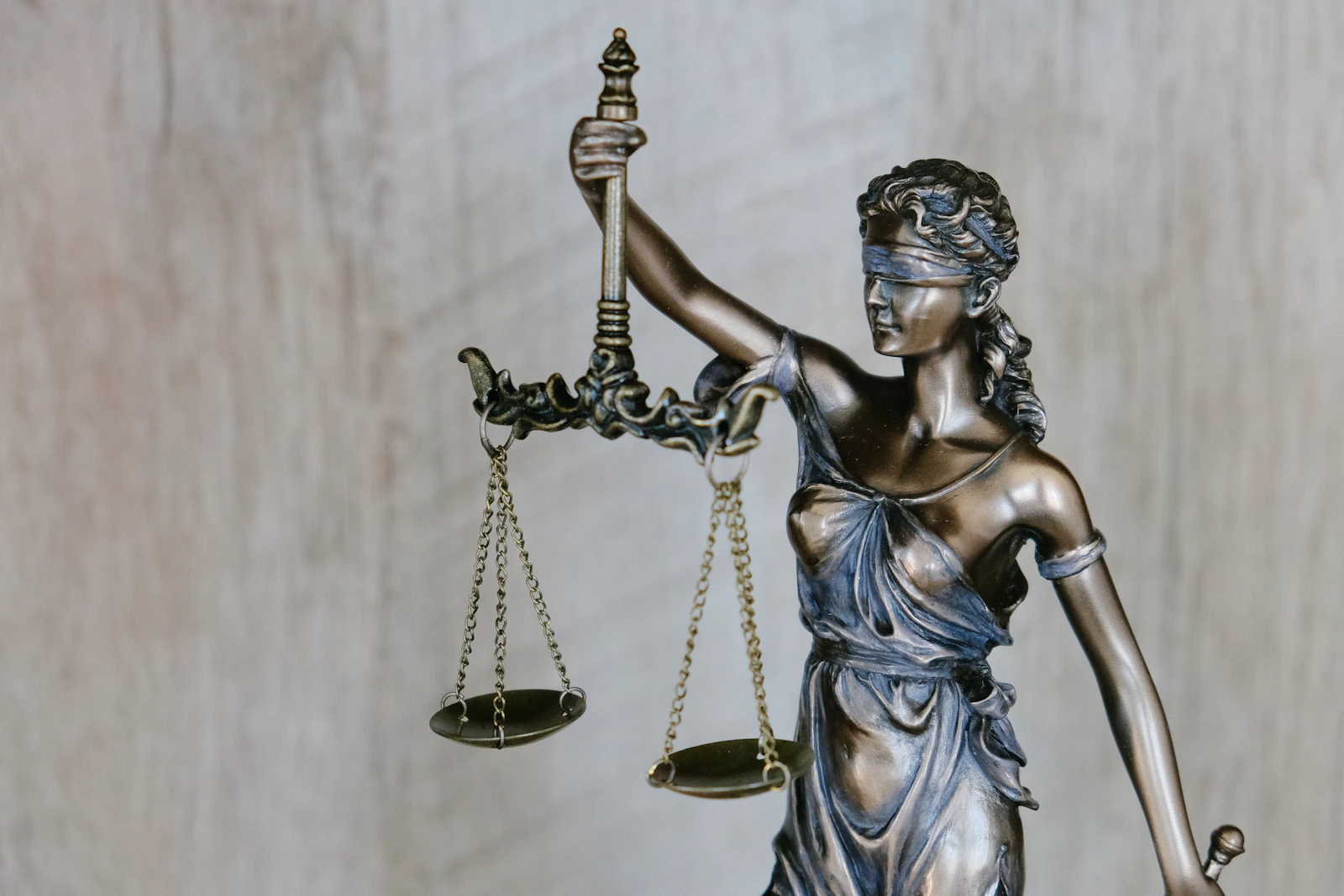
Musk’s legal action centers on allegations that OpenAI has abandoned its founding mission as a nonprofit organization dedicated to developing artificial intelligence for the benefit of humanity.
Key claims include:
- OpenAI was founded as a nonprofit research lab, not a profit-maximizing corporation
- Its partnership with Microsoft fundamentally altered its incentives
- Advanced AI models are now allegedly being developed primarily for commercial gain
- Musk claims he was misled about OpenAI’s long-term direction
Musk argues that OpenAI’s current structure violates both its original charter and the trust of its early supporters.
Why $134 Billion?

The $134 billion figure is not arbitrary. According to filings, the amount reflects:
- OpenAI’s current and projected valuation
- The economic value of AI breakthroughs Musk claims were derived from a nonprofit foundation
- Alleged unjust enrichment stemming from Microsoft’s exclusive access to OpenAI technology
In other words, Musk is not asking for pocket change — he is effectively challenging the entire economic structure of OpenAI.
Why Would a $700B Billionaire Want More?
This is the question dominating headlines.
Critics argue that Musk’s demand undermines his public positioning as a protector of humanity from runaway AI. Supporters counter that the lawsuit is not about personal enrichment, but about forcing accountability and restructuring OpenAI.
Possible motivations include:
- Reasserting influence over the direction of advanced AI
- Setting legal precedent for AI governance and nonprofit integrity
- Slowing competitors while Musk builds xAI
- Forcing OpenAI into structural or operational changes
For Musk, money may be a lever, not the end goal.
The OpenAI–Microsoft Factor

Microsoft’s multi-billion-dollar investment in OpenAI lies at the heart of the dispute.
Through this partnership:
- Microsoft receives exclusive cloud rights
- OpenAI models are deeply integrated into Azure, Windows, and enterprise products
- Revenue-sharing arrangements prioritize commercial deployment
Musk’s lawsuit claims this relationship effectively transformed OpenAI into a closed-source, profit-driven subsidiary, contradicting its founding commitments.
OpenAI’s Position
OpenAI has rejected Musk’s claims, arguing that:
- Its structure was always intended to evolve
- The capped-profit model balances safety, scale, and sustainability
- Commercial partnerships are necessary to fund frontier AI research
OpenAI leadership has also pointed out that Musk himself:
- Was involved in early discussions about funding
- Later withdrew from the organization
- Is now building a competing AI company
Bigger Than One Lawsuit: A Turning Point for AI Governance

Regardless of the outcome, the case is already shaping the broader AI conversation.
Key implications:
- Nonprofit AI governance may face stricter legal scrutiny
- Hybrid nonprofit–for-profit models could become harder to justify
- Governments may accelerate AI regulation
- Investors may demand clearer accountability structures
The lawsuit highlights a fundamental tension: Can AI be both safe and massively profitable?
The Competitive Landscape: xAI vs OpenAI

Musk’s own company, xAI, is developing models like Grok and positioning itself as a more transparent alternative. Critics argue this creates a conflict of interest; Musk counters that competition is essential to prevent monopolistic control over AI.
The lawsuit could:
- Slow OpenAI’s expansion
- Influence talent movement
- Shape investor confidence
- Alter the pace of AI deployment
Why This Matters to the Public
This legal battle isn’t just corporate drama. The outcome could affect:
- How AI systems are trained and deployed
- Who controls the most powerful models
- Whether AI benefits are broadly shared
- How much transparency users can expect
At stake is the future social contract of artificial intelligence.
What Happens Next?
Legal experts expect:
- A prolonged court battle
- Motions to dismiss or narrow claims
- Possible settlement discussions
- Regulatory attention alongside litigation
Even if Musk does not receive the full $134 billion, the lawsuit may still achieve its broader objectives by forcing structural change.
Final Takeaway
Elon Musk’s lawsuit against OpenAI is not about financial survival — it’s about control, ideology, and the soul of AI development. Whether viewed as principled resistance or strategic aggression, the case marks a defining moment for the AI industry.
The question is no longer whether AI will change the world — but who gets to decide how.
Frequently Asked Questions (FAQ)
Why is Elon Musk suing OpenAI?
Musk claims OpenAI abandoned its nonprofit mission and became a profit-driven entity aligned with Microsoft.
Why is he asking for $134 billion?
The amount reflects OpenAI’s valuation and alleged economic gains from technology developed under nonprofit promises.
Does Musk really need the money?
Likely not. Analysts believe the lawsuit is more about leverage, governance, and influence than personal wealth.
How does Microsoft factor into this?
Microsoft’s deep financial and technical partnership with OpenAI is central to Musk’s claims of commercialization.
Could this affect ChatGPT and OpenAI products?
Yes. Legal pressure could influence product strategy, transparency, and future partnerships.
What does this mean for AI regulation?
The case may accelerate calls for clearer laws around AI governance, nonprofits, and public accountability.
Will Musk win?
Too early to say. Regardless of the outcome, the lawsuit is already reshaping the AI industry’s legal and ethical landscape.


