Phil Schiller Exits App Store Role as Apple Pushes Margins, Recurring Revenue
Phil Schiller, the man who spent six years publicly defending Apple's most contested business, is quietly stepping away from the top of the App Store — and...

Phil Schiller, the man who spent six years publicly defending Apple's most contested business, is quietly stepping away from the top of the App Store — and the real reason, per Bloomberg's Mark Gurman, is reportedly a strategic clash over money. New CEO John Ternus and services chief Eddy Cue want to squeeze better margins and more recurring revenue out of Apple's app economy, while Schiller reportedly feared that push would ignite even more conflict with regulators and developers. For the thousands of AI startups and subscription businesses that live and die by Apple's fee structure, this signals that the 30 percent question is about to get a lot louder.
The Setup: Why Schiller and the App Store Matter Right Now
The App Store launched on July 10, 2008 with just 500 apps. Nearly two decades later, it has become the single most important toll bridge in the digital economy, channeling hundreds of billions of dollars between developers and customers every year. For Apple, it is the crown jewel of its services business, which now generates well over $100 billion annually and carries the company's growth story.
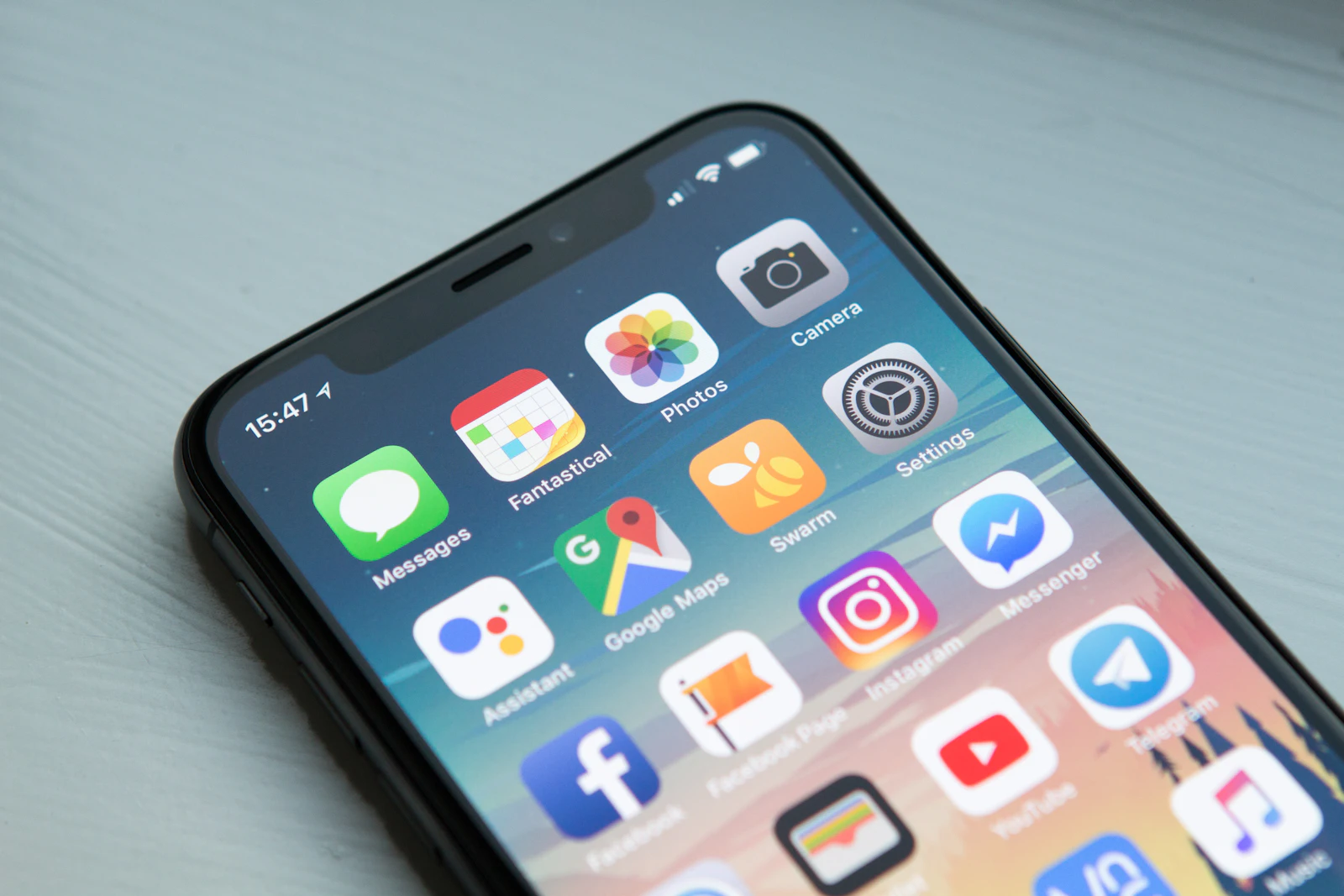
Phil Schiller is not just an executive who happened to oversee this business. He is Apple's public defender-in-chief for the App Store, the guy who sat through the Epic Games v. Apple trial, testified about the company's commission model, and fronted Apple's defense against EU regulators and the DMA. His departure removes the most prominent internal voice arguing that Apple's long-term safety lies in restraint.
- He joined Apple in 1987, survived the near-death of the 1990s, and returned after Steve Jobs bought NeXT.
- He became an Apple Fellow in 2020 but retained day-to-day control of the App Store.
- He remained the public face of App Store policy through antitrust trials, EU fines, and multiple developer revolts.
The Core News: What Actually Happened
According to Gurman's reporting, Schiller's decision was partly personal — more time with family and philanthropy. But the more consequential driver was strategic. Ternus and Cue reportedly want to improve App Store margins and grow recurring revenue, and Schiller concluded that pushing that agenda harder would only deepen conflicts with governments and developers already furious about Apple's cut.
Key takeaways from the report:
- No dramatic blow-up. Gurman says there was no big fight, just a widening philosophical gap.
- Schiller stays at Apple as an Apple Fellow, working on unspecified projects outside App Store leadership.
- The profit push continues. Cue and Ternus see the App Store as under-monetized relative to its strategic value.
- He walked away rather than fight it. Schiller reportedly chose to exit the role instead of being dragged into an escalating regulatory war.
| Dimension | Schiller's posture | Ternus + Cue agenda |
|---|---|---|
| Core priority | Protect the store's legitimacy | Maximize margin and recurring revenue |
| View on regulation | Conflict will grow if squeezed | Manageable cost of doing business |
| Developer relations | Defensive but engaged | Increasingly transactional |
| Likely outcome | Legacy custodian | New monetization experiments |
This matters because it is a leadership signal, not just a retirement notice. When the person most associated with a policy leaves over it, the policy is almost certainly changing.
Why This Matters: A Margin Squeeze Meets the AI Boom
The stakes here are unusually high because Apple is tightening the screws at exactly the moment AI companies have turned subscriptions into the defining business model of the decade. ChatGPT, Claude, and thousands of AI wrapper apps depend on recurring iOS billing, and every dollar Apple takes is a dollar not spent on GPUs or model training.

Consider the economics for an AI startup charging $20 per month:
| Fee scenario | Developer keeps | Apple keeps | Impact on a 10,000-subscriber base |
|---|---|---|---|
| Standard 30% cut | $14/mo | $6/mo | Apple takes $720,000/year |
| Small Business 15% cut | $17/mo | $3/mo | Apple takes $360,000/year |
| EU DMA 17% cut | $16.60/mo | $3.40/mo | Apple takes $408,000/year |
Now imagine Ternus and Cue finding ways to layer additional fees on top — for example, charging for external payment processing, AI feature access, or promotional placement. That is not speculation; it is the reported direction of travel.
The "so what" for developers is brutal: your unit economics on iOS are about to be recalculated, and no amount of App Review appeals will change the underlying strategy.
Key Details: Decoding the Exit and What Comes Next
Who is Phil Schiller, really?
Schiller has been at Apple for most of his career and is widely credited as a product-marketing legend, the voice behind countless Apple keynotes. His move to Apple Fellow in 2020 was framed as a transition, yet he quietly kept the App Store portfolio. That arrangement apparently ended now because the portfolio's direction changed.
What does an "Apple Fellow" actually do?
It is a senior individual-contributor role, the same one held by Jony Ive (briefly) and historically used to keep legendary talent inside Apple without tying them to a specific division. In Schiller's case, expect him to remain a behind-the-scenes adviser on developer relations and product strategy, with no operational authority over fees.
What should you watch for next?
- A new App Store reporting structure. Day-to-day App Store leadership will likely fold deeper into Eddy Cue's services organization, which already controls Apple Music, iCloud, and Apple Pay.
- New fee experiments. Watch for changes to search ads, promoted placements, or transaction handling that boost Apple's take without an outright commission hike.
- Subscription bundling pressure. Apple has long nudged developers toward auto-renewing subscriptions; expect that push to intensify.
- External payment rules tightening. After courts and regulators forced Apple to allow links to outside payments, the company may now design fees that claw back some of that revenue.
- A louder developer backlash. With Schiller gone, there is no senior executive left whose job is to argue for restraint.

Competitive Landscape: Apple vs. the Rest of the App Economy
Apple is not operating in a vacuum. The Google Play Store faces similar pressure, and regulators in Europe, the United States, and India have all forced concessions from the duopoly. In India, the Competition Commission of India (CCI) has already ordered changes to Google's Play billing, and Apple has opened the door to third-party payment options in the country after its own regulatory battles.
| Platform | Standard commission | Current regulatory exposure | Direction of travel |
|---|---|---|---|
| Apple App Store | 30% (15% small biz) | EU DMA, US rulings, India scrutiny | Pushing for more margin |
| Google Play | 30% (15% first $1M) | EU, India CCI, US suits | Broadening user-choice billing |
| Epic Games Store / sideloading | 12% or lower | Growing in EU via DMA | Still niche outside gaming |
| Direct web billing | 0–5% (payment fees) | None | The developer escape hatch |
The irony is that Apple's own defensiveness — Schiller's instinct — is what historically kept regulators from going nuclear. Remove that brake, and you risk the scenario he reportedly feared: a profit push that hands governments and rivals the evidence they need for harsher intervention.
What This Means for AI-Tool and AI-News Publishers
This story is not just Apple business news. For anyone building a media or tools business around AI, it is a monetization strategy warning wrapped in a leadership drama. Here is how to turn it into coverage and strategy:
- Publish a "margin math" explainer. Calculate what a Ternus-Cue fee shake-up would do to popular AI subscription tiers ($10, $20, $30 per month). Readers love concrete break-even tables.
- Target the SEO opportunity. Search terms like "App Store fees 2026," "Apple recurring revenue strategy," and "Phil Schiller App Store exit explained" are spiking right now. A fast, authoritative explainer can capture that traffic for weeks.
- Run an iOS vs. web vs. Android revenue comparison. Many AI newsletter writers sell memberships through apps; show them which channel actually pays. This pairs perfectly with your own affiliate or tool-comparison content.
- Cover the India angle specifically. Indian AI startups and indie developers are among the most fee-sensitive in the world. Interview local founders about how an Apple fee hike would affect UPI-era pricing and their runway.
- Recommend billing alternatives. Write a practical roundup of web-first payment stacks, PWA strategies, and subscription tools that help creators bypass storefront dependence. That is directly actionable for your developer audience.
The broader lesson for publishers: whenever a platform leader quits over monetization strategy, your monetization strategy deserves a re-audit too.
Challenges Ahead / Risks / Limitations
This report is based on anonymous sourcing from Bloomberg, and Apple has not confirmed the strategic motivations. Treat the "margin squeeze" narrative as well-sourced reporting, not official policy.
- Pushback risk is real. If Apple raises effective fees, expect fresh lawsuits, EU complaints, and developer boycotts within months.
- Schiller's departure could backfire. Losing a respected internal skeptic may weaken Apple's credibility with the developer community it needs to keep innovating.
- Regulators are watching. A visible profit grab in 2026, after years of court defeats, could provoke the most aggressive regulatory response yet.
- Services growth pressure is relentless. Ternus and Cue must keep a $100 billion-plus machine growing, which structurally pushes them toward exactly the behavior Schiller warned against.
- Nothing is announced. Fee changes are still hypothetical; developers should prepare scenarios, not panic migrations.
Final Thoughts
Phil Schiller's exit is the clearest signal yet that Apple's App Store has entered a new era where profit extraction trumps regulatory caution. For AI startups, creators, and the publishers covering them, the smartest move is to stop treating any single platform as a permanent home. Build web-first, diversify billing, and keep watching Cupertino, because the next fee announcement will tell you everything about who won this argument.
FAQ
Is Phil Schiller leaving Apple entirely?
No. He is remaining at the company as an Apple Fellow, a senior role that lets him work on unspecified projects without running the App Store day-to-day.
Who will run the App Store now?
Operational control will reportedly move deeper into Eddy Cue's services organization, which already oversees Apple's other subscription businesses like Apple Music and iCloud.
Will Apple raise its App Store commission?
Not necessarily an outright increase. The reported goal is better margins and recurring revenue, which could come through new fees, subscription-bundling pressure, or tighter external-payment rules rather than a headline rate change.
How does this affect AI developers specifically?
AI startups depend heavily on monthly subscriptions, so any increase in Apple's effective take directly cuts into the revenue they need for model training and infrastructure. Unit economics on iOS are likely to get tighter.
What is an "Apple Fellow"?
It is a prestigious individual-contributor title, similar to roles held by Jony Ive, that keeps veteran talent at Apple without operational management duties. Think of it as a senior advisory lane.
What should developers and publishers do now?
Diversify. Build web-first billing, test direct payment links, track EU and India regulatory developments, and model your business at multiple fee levels so a policy shift does not become an existential crisis.


