ApertyvsDraw3D
Side-by-side battle & analysis. Compare features, pricing, real community ratings, and pros & cons in 2026.
Aperty
AI portrait retouching tool that enhances facial features while preserving natural detail.
Draw3D
Transform sketches and 3D blockout into photorealistic images.
Quick Verdict & Takeaway
Head-to-head summary recommendation
Both Aperty and Draw3D provide high-performance solutions in the Ai Image enhancer ecosystem. Both platforms are top-rated in their respective categories.
Choose Aperty if:
You need a mixed tool optimized for Visual Enhancement Tool with IMAGE input formats.
Choose Draw3D if:
You prefer a mixed platform geared towards Visual Enhancement Tool with IMAGE output options.
Specification & Feature Matrix
Direct technical comparison between Aperty and Draw3D
| Feature / Spec | Aperty | Draw3D |
|---|---|---|
| Pricing Model | MIXED | MIXED |
| Starting Price | $19.99/mo | $9/mo |
| Category | Ai Image enhancer | Ai Image enhancer |
| Subcategory | Visual Enhancement Tool | Visual Enhancement Tool |
| Supported Inputs | IMAGE | IMAGE |
| Generated Outputs | IMAGE | IMAGE |
| User Rating | ★ 4.0 / 5.0 (0) | ★ 4.0 / 5.0 (0) |
| Verified Status | Unverified | Unverified |
Interface & UI Showcase
Visual previews and interface screenshots
Aperty Interface


Draw3D Interface


Pros & Cons Comparison
Aperty Pros & Cons
Strengths
- Retains natural skin texture
- Significant time-saving for photographers
Limitations
- Subscription cost
- May require powerful hardware
Draw3D Pros & Cons
Strengths
- Fast rendering of photorealistic results
- Intuitive for sketch-to-image workflows
Limitations
- Results depend heavily on the quality of the initial sketch
- Complex geometric shapes may require refinement
About Aperty
Opening Overview Aperty is a professional AI-powered portrait photo editor designed to streamline the post-production process for photographers by leveraging artificial intelligence, neural networks, and automated retouching workflows . The tool addresses the primary bottleneck in professional portraiture: the exhaustive, time-consuming nature of manual skin retouching and facial enhancement. By automating the most repetitive aspects of image cleanup, Aperty allows photographers to maintain high-end quality standards while significantly reducing the hours spent per project. The software utilizes sophisticated AI algorithms to analyze facial geometry and skin texture in real-time. Unlike basic filters that blur the entire image, Aperty employs deep learning to distinguish between temporary blemishes and permanent skin characteristics, ensuring that the final output preserves the natural identity and texture of the subject. This focus on intelligent skin smoothing and automated feature enhancement makes it an essential tool for those managing high-volume workloads who cannot afford to sacrifice precision for speed. Designed specifically for professional photographers, studio owners, and photography enthusiasts , Aperty integrates into the digital darkroom to handle the heavy lifting of retouching. Whether dealing with corporate headshots, bridal portraits, or fashion editorials, the tool provides a scalable solution for enhancing image quality. By implementing AI-driven lighting adjustments and facial refinements, it enables creatives to shift their focus from tedious manual labor to the overarching artistic vision of their portfolio. Key Features of Aperty AI-driven skin smoothing that eliminates imperfections while retaining natural pores. Automated blemish removal utilizing neural networks to identify and erase skin flaws. Intelligent facial feature enhancement for subtle, realistic refinements. AI-powered lighting adjustments to balance exposure and contour faces. Advanced texture preservation algorithms to prevent the "plastic" look of over-processed skin. High-volume batch processing capabilities for editing large sets of images simultaneously. Neural network-based facial analysis for precise mapping of skin tones and shadows. Intuitive interface designed for seamless integration into existing post-production workflows. Non-destructive editing approach that allows for refined control over AI applications. Adaptive AI processing that adjusts to different skin types and lighting conditions. Why People Use Aperty The primary motivation for adopting Aperty is the desire to escape the "editing grind" associated with traditional portrait retouching. In a traditional workflow, photographers often rely on manual techniques such as frequency separation , dodge and burn, and painstaking clone-stamping. These methods are incredibly labor-intensive and require a high level of technical expertise to execute without making the subject look unnatural. For a photographer delivering hundreds of images from a single wedding or event, manual retouching becomes a significant operational bottleneck that limits the number of clients they can serve. Professionals use Aperty to bridge the gap between raw captures and polished, gallery-ready images. By replacing manual cleanup with automated AI retouching , users can achieve in seconds what previously took hours. This transition does not merely save time; it increases the overall consistency of a photoshoot. Human editors can become fatigued, leading to inconsistencies in skin tone or detail across a series of photos. Aperty provides a standardized, high-quality output across every image in a batch, ensuring a cohesive look for the entire project. Furthermore, the tool is utilized by those who want to scale their business. In the competitive landscape of professional photography, turnaround time is a critical key to client satisfaction. By reducing the post-production phase, photographers can deliver finished galleries faster, improving their reputation and increasing their capacity to take on more commissions. The shift from manual labor to AI-assisted curation allows the artist to focus on composition and lighting during the shoot, knowing that the technical cleanup is handled efficiently by an intelligent system. Popular Use Cases Wedding Photography: Processing thousands of images from a wedding day where skin smoothing and lighting corrections must be applied to multiple guests and the couple while maintaining a romantic, natural aesthetic. Corporate Headshots: Rapidly cleaning up studio portraits for executives and employees, ensuring a polished and professional appearance with consistent skin tones across an entire company directory. Fashion and Editorial Work: Enhancing high-resolution images for magazines or lookbooks where skin perfection is required but the preservation of high-end skin texture is non-negotiable. Event Photography: Managing high-volume output from corporate galas, parties, or conferences where quick turnaround is essential for social media and press releases. Beauty and Makeup Artistry: Showcasing the precision of makeup applications by removing distracting skin imperfections while highlighting the actual cosmetics and facial contours. Family and Newborn Portraits: Gently enhancing skin tones and removing redness or temporary blemishes in newborn photography to create a soft, clean, and timeless look. Freelance Retouching Services: Allowing professional retouchers to handle a higher volume of client work by using AI for the initial cleanup phase before applying final artistic touches. Benefits of Aperty Exponential Increase in Productivity: Reduces the time spent on skin retouching from hours to minutes, allowing for a more efficient production pipeline. Preservation of Natural Detail: Avoids the common pitfalls of AI editing by maintaining skin pores and natural characteristics, ensuring portraits look authentic. Improved Client Turnaround: Enables photographers to deliver final edited images much faster, leading to higher client satisfaction and better reviews. Reduced Creative Burnout: Eliminates the mental exhaustion associated with repetitive clicking and masking tasks, leaving the photographer refreshed for creative work. Professional Grade Consistency: Ensures that every photo in a series meets the same high standard of retouching, regardless of the number of images. Lower Barrier to Entry for High-End Results: Allows photographers who may not be experts in complex Photoshop techniques to produce professional, polished skin and lighting. Enhanced Business Scalability: Permits studio owners to accept more bookings and handle larger projects without needing to hire additional retouching staff. Optimized Workflow Integration: Streamlines the transition from the camera to the final delivery by automating the most tedious part of the post-processing chain.
About Draw3D
Draw3D is a powerful AI-powered image generation tool designed to help users transform basic sketches, drawings, and 3D blockouts into high-fidelity, photorealistic images by leveraging artificial intelligence, generative adversarial networks, and intelligent spatial visualization . By acting as a bridge between conceptual ideation and final presentation, the tool eliminates the tedious manual labor typically associated with traditional 3D rendering and modeling. The primary problem Draw3D solves is the "rendering gap"—the significant amount of time and technical expertise required to turn a rough conceptual sketch into a professional-grade visual. In traditional workflows, a designer would need to move from a hand drawing to a CAD model, then apply materials and lighting in complex software before finally rendering the image. Draw3D collapses this multi-step pipeline into a streamlined AI process, allowing architects, interior designers, and concept artists to visualize their ideas almost instantaneously. Designed for professionals who prioritize rapid iteration, the tool utilizes advanced AI to interpret the geometry and spatial relationships within a user's uploaded image. By analyzing the basic shapes and lines of a blockout or sketch, the AI can intelligently apply realistic textures, atmospheric lighting, and intricate architectural details. This makes it an essential utility for anyone needing to produce high-impact visuals for client presentations, mood boards, or internal design reviews without the overhead of a full-scale 3D production studio. Key Features of Draw3D Sketch-to-Photorealistic Conversion : Transforms simple hand-drawn sketches into detailed, realistic images. 3D Blockout Processing : Converts basic 3D volumetric shapes and massing studies into finished architectural renders. Automated Texture Application : Intelligently identifies surfaces and applies realistic materials such as concrete, glass, wood, and steel. Dynamic Lighting Simulation : Generates realistic light distribution, shadows, and ambient occlusion based on the composition of the input. High-Fidelity Image Output : Produces professional-grade visual assets suitable for presentations and portfolios. Rapid Iteration Engine : Allows users to quickly tweak sketches and regenerate images to explore various design directions. Spatial Geometry Recognition : Analyzes lines and perspectives in 2D inputs to maintain structural integrity in the 3D output. Versatile Input Support : Accepts a wide range of visual inputs, from rough scribbles to more refined digital drawings. Why People Use Draw3D The core motivation for using Draw3D lies in the drastic reduction of the time between an idea's inception and its visualization. Traditionally, creating a photorealistic render required a mastery of complex software suites, a deep understanding of light physics, and hours—if not days—of computing time for the final render. Draw3D replaces this laborious process with an AI-driven workflow that provides immediate visual feedback. Designers and architects use this tool to avoid the "bottleneck" of the modeling phase. Instead of spending hours building a precise 3D model just to see if a conceptual layout works, they can upload a rough blockout and see a near-final version of the project in seconds. This shift allows for a more experimental design process where the user can test multiple configurations and aesthetic styles without a significant investment of time. Furthermore, Draw3D democratizes high-end visualization. It allows individuals who may not have formal training in 3D software to produce imagery that looks as though it were created by a professional rendering studio. This scalability ensures that small firms or freelance designers can compete with larger agencies by delivering high-quality visuals to their clients with far greater efficiency. Popular Use Cases Architectural Conceptualization : Architects use the tool to transform early-stage massing models and site plans into realistic building exteriors to communicate the vision to stakeholders. Interior Design Prototyping : Designers upload room layouts and furniture sketches to instantly visualize how different materials, colors, and lighting schemes will look in a finished space. Industrial and Product Design : Concept artists use the tool to turn rough product sketches into photorealistic prototypes, helping them evaluate the form and material feel of a new device. Game Environment Art : Level designers use 3D blockouts (grey-boxing) to quickly generate conceptual art for game worlds, establishing the mood and atmosphere before detailed asset creation begins. Urban Planning and Development : Planners use the tool to visualize how new structures will integrate into an existing city skyline based on simple volumetric sketches. Real Estate Marketing : Agents and developers use it to create "conceptual renders" of planned developments to attract investors before the full architectural blueprints are finalized. Benefits of Draw3D Accelerated Design Cycles : By removing the need for manual modeling and rendering, the time from concept to visual is reduced from days to seconds. Enhanced Client Communication : Providing clients with photorealistic imagery rather than abstract sketches leads to faster approvals and fewer misunderstandings regarding the final vision. Reduced Operational Costs : Minimizes the need for expensive rendering hardware or the hiring of specialized visualization consultants during the early design phases. Increased Creative Freedom : The ability to iterate rapidly encourages designers to explore unconventional ideas and bold aesthetics without fear of wasting time. Improved Workflow Integration : Seamlessly fits into the ideation phase of a project, allowing for a fluid transition from a napkin sketch to a professional presentation. Lower Technical Barrier : Enables users to achieve high-end visual results without requiring mastery of complex 3D software interfaces or rendering engines. Consistent Visual Quality : Ensures that all conceptual outputs maintain a high standard of photorealism and professional polish.
More AI Competitors to Compare
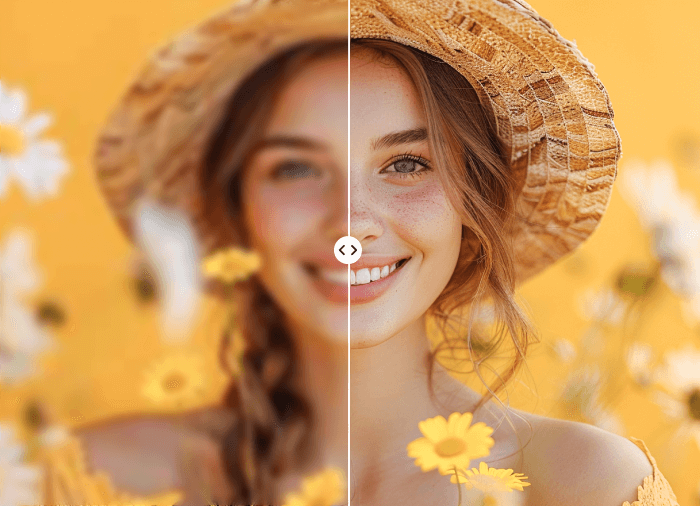
Image enhancer Ai
Ai Image enhancer

ImageUpscaling.net
Ai Image enhancer

4K Image enhancer
Ai Image enhancer
AI Image Extender
Ai Image enhancer
Picsman - AI Photo Editor
Ai Image enhancer

Kira Generator
Ai Image enhancer
Frequently Asked Questions
Most questions answered in under 30 seconds — but if you still have one, write to us at contactgetaitool@gmail.com and we reply within a few hours.
Which is better in 2026, Aperty or Draw3D?
How does the pricing compare between Aperty and Draw3D?
Can I use Aperty and Draw3D for free?
What input and output formats do Aperty and Draw3D support?
What are the key advantages of Aperty?
What are the key advantages of Draw3D?
What are top alternative competitors to Aperty and Draw3D?
Ready to Choose Your AI Tool?
Try both platforms or explore thousands of other curated artificial intelligence tools on GetAiTools.
Tags & Core Competencies
Specific tags and feature capabilities