FashionLabsvsModelia
Side-by-side battle & analysis. Compare features, pricing, real community ratings, and pros & cons in 2026.
FashionLabs
Revolutionize your e-commerce displays with AI-powered virtual models and clothing modification tools.
Modelia
Modelia generates high-quality fashion model imagery and videos from flat images, ideal for e-commerce and marketing.
Quick Verdict & Takeaway
Head-to-head summary recommendation
Both FashionLabs and Modelia provide high-performance solutions in the Outfit ecosystem. Both platforms are top-rated in their respective categories.
Choose FashionLabs if:
You need a mixed tool optimized for Fashion models with IMAGE input formats.
Choose Modelia if:
You prefer a subscription platform geared towards Fashion models with IMAGE, VIDEO output options.
Specification & Feature Matrix
Direct technical comparison between FashionLabs and Modelia
| Feature / Spec | FashionLabs | Modelia |
|---|---|---|
| Pricing Model | MIXED | SUBSCRIPTION |
| Starting Price | $40/mo | $18/mo |
| Category | Outfit | Outfit |
| Subcategory | Fashion models | Fashion models |
| Supported Inputs | IMAGE | IMAGE |
| Generated Outputs | IMAGE | IMAGE, VIDEO |
| User Rating | ★ 4.0 / 5.0 (0) | ★ 4.0 / 5.0 (0) |
| Verified Status | Unverified | Unverified |
Interface & UI Showcase
Visual previews and interface screenshots
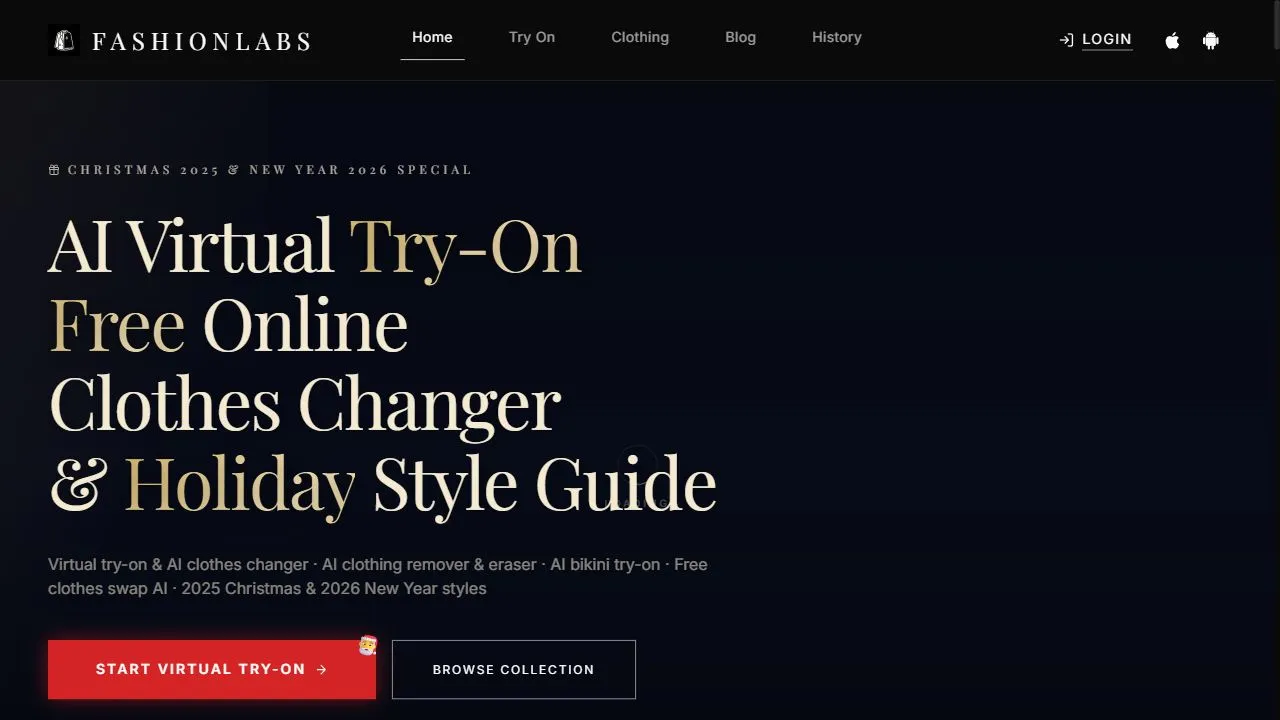
FashionLabs Interface
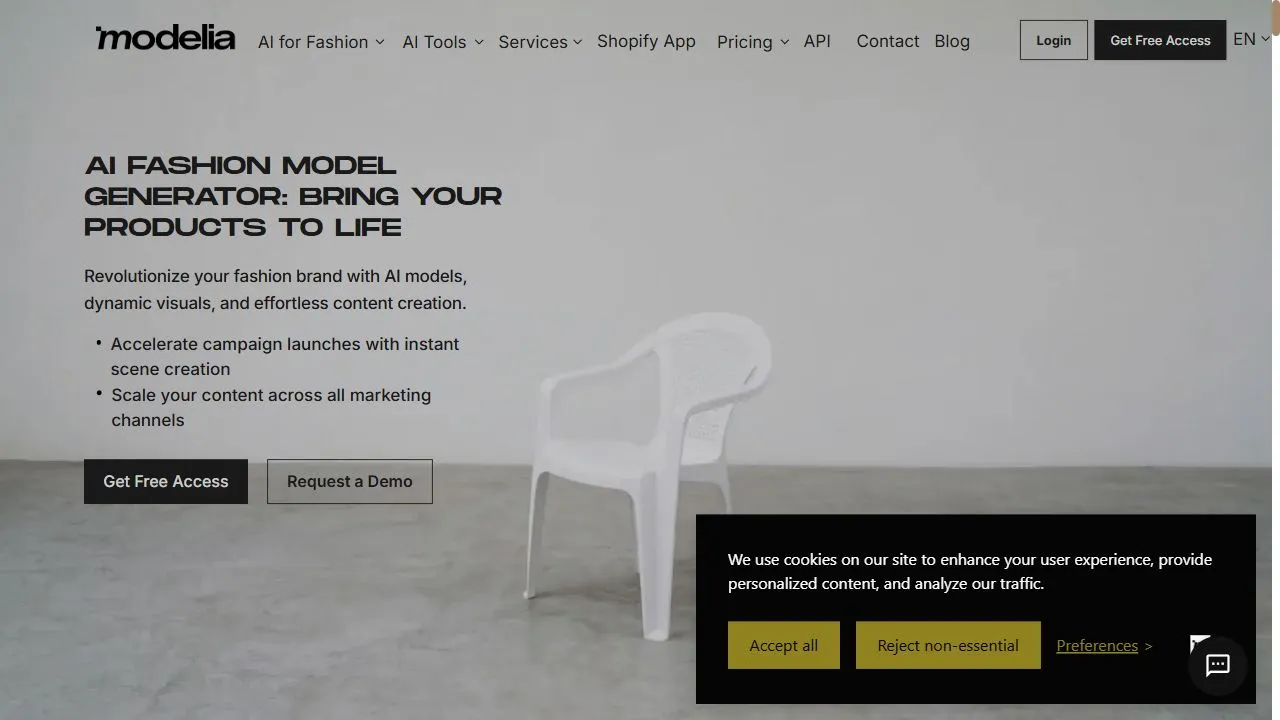
Modelia Interface

Pros & Cons Comparison
FashionLabs Pros & Cons
Strengths
- Significant cost savings on photoshoots
- Diverse virtual modeling options
Limitations
- Higher entry cost
- Requires high-quality source clothing images
Modelia Pros & Cons
Strengths
- Reduces production costs significantly
- High photorealism and control
Limitations
- Premium pricing for high-tier features
About FashionLabs
FashionLabs is a professional AI-powered virtual modeling and digital apparel visualization tool designed to help e-commerce brands and fashion designers automate product photography and garment presentation by leveraging artificial intelligence, computer vision, and generative adversarial networks . By replacing traditional, high-cost photo shoots with hyper-realistic AI-generated imagery, the platform solves the logistical and financial burdens associated with hiring models, renting studios, and coordinating complex physical productions. The tool is specifically engineered for fashion retailers, DTC (direct-to-consumer) apparel brands, and independent clothing designers who need to showcase their collections across multiple demographics without the overhead of physical shoots. By utilizing AI virtual models , the platform allows users to upload product images and seamlessly map them onto realistic human figures, ensuring that the drape, fit, and texture of the clothing are maintained while providing a high-fidelity visual experience for the end consumer. Through the integration of intelligent workflows and garment modification tools , FashionLabs enables brands to scale their visual content production rapidly. Instead of being limited by the availability of physical models, companies can generate a diverse array of assets that resonate with global audiences, adjusting the model's appearance, ethnicity, and environment to match specific target markets. This shift toward AI-driven e-commerce photography ensures that digital storefronts remain competitive, visually appealing, and inclusive. Key Features of FashionLabs Hyper-Realistic AI Model Generation : Creates high-fidelity virtual humans that serve as digital mannequins for apparel showcasing. Automated Garment Mapping : Intelligently places uploaded clothing images onto virtual models while maintaining realistic proportions. Fabric Texture Modification : Allows users to adjust and refine the appearance of textures to accurately represent different materials. Clothing Modification Tools : Provides the ability to tweak the fit and appearance of garments on the digital model. Model Diversity Customization : Enables the generation of models with varied ethnicities, ages, and body types to ensure brand inclusivity. Virtual Environment Adjustment : Modifies the background and setting of the product image to align with brand aesthetics. High-Resolution Image Output : Produces professional-grade imagery suitable for high-traffic e-commerce websites and digital marketing campaigns. Seamless Image-to-Image Processing : Processes raw product photos into polished, model-worn assets using advanced AI rendering. Why People Use FashionLabs The primary motivation for adopting FashionLabs is the elimination of the traditional fashion photography pipeline, which is historically slow and prohibitively expensive. In a conventional setting, a brand must source a model, book a photographer, secure a studio, and manage the logistics of shipping physical samples. This process is not only time-consuming but also creates a bottleneck in the product launch cycle. By switching to an AI-powered virtual modeling workflow , brands can move from a design concept to a live product listing in a fraction of the time. Furthermore, the tool addresses the challenge of scalability. For brands with extensive catalogs, photographing every item in multiple sizes and on multiple models is often financially unfeasible. FashionLabs allows for the rapid scaling of visual assets , enabling a company to generate hundreds of unique images without increasing their operational budget linearly. Accuracy and consistency are also major drivers. Traditional photography can suffer from lighting inconsistencies or human error during the shoot. AI-generated imagery provides a controlled environment where lighting, posture, and background can be standardized across an entire collection, creating a cohesive and professional look for the online storefront. This level of precision helps in reducing customer return rates by providing a more consistent visualization of how the product appears when worn. Popular Use Cases DTC Fashion Brands : Small to medium-sized online labels use the tool to create professional lookbooks and product pages without the need for a massive production budget. Global Apparel Retailers : Large-scale enterprises utilize the platform to localize their marketing by generating models that reflect the diversity of the specific regions they are targeting. Independent Clothing Designers : Emerging designers use virtual modeling to prototype the visual appeal of their garments before committing to full-scale physical production. E-commerce Agency Workflows : Digital marketing agencies leverage the tool to quickly produce high-quality ad creatives for various clients in the fashion and textile industry. Rapid Catalog Updates : Retailers with high inventory turnover use the AI to update their product imagery instantly as new seasonal styles arrive. Inclusive Marketing Campaigns : Brands aiming to showcase a wide range of body types and ethnicities use the tool to ensure their imagery is representative and inclusive. Benefits of FashionLabs Drastic Reduction in Overhead : Eliminates the recurring costs associated with studio rentals, model fees, and professional photography equipment. Accelerated Time-to-Market : Dramatically shortens the gap between product manufacturing and digital listing by removing the need for scheduled photo shoots. Enhanced Brand Inclusivity : Simplifies the process of representing diverse populations, allowing brands to reach a broader global demographic effortlessly. Operational Agility : Enables brands to iterate on their visual strategy in real-time, changing models or backgrounds without needing to re-shoot the entire collection. Increased Production Volume : Allows for the creation of a vast library of marketing assets, providing more content for social media, email campaigns, and web banners. Consistency in Visual Identity : Ensures that all product images maintain a uniform quality, lighting, and style, which strengthens brand trust and professionalism. Simplified Logistics : Removes the need to ship physical samples to various locations for photography, reducing the risk of damage or loss of inventory.
About Modelia
Modelia is a powerful AI-powered fashion model generator designed to help users create professional-grade lifestyle imagery and videos by leveraging artificial intelligence, automation, and generative adversarial networks . The platform solves the primary challenge of high production costs and logistical complexities associated with traditional fashion photography. By transforming standard, flat images of clothing into high-fidelity visuals featuring photorealistic models, it eliminates the need for expensive studio rentals, model bookings, and extensive post-production workflows. This tool is specifically engineered for e-commerce brands, independent fashion designers, and digital marketing agencies that require a constant stream of high-quality visual content to remain competitive in a fast-paced market. By utilizing advanced AI, Modelia allows users to showcase their apparel on diverse models in a variety of settings, ensuring that the final output aligns perfectly with the brand's identity and target demographic. The integration of both image and video generation makes it a comprehensive solution for modern digital storefronts. The implementation of AI in Modelia focuses on the seamless blending of garment textures, folds, and shadows onto a generated human form. This process ensures that the clothing looks natural and authentic, avoiding the "uncanny valley" effect often found in lower-quality AI generators. Through this intelligent workflow, brands can scale their content production from a few images per collection to thousands of personalized assets across different ethnicities, ages, and environments, significantly optimizing the path from product design to consumer purchase. Key Features of Modelia Transformation of flat product images into photorealistic model photography. AI-driven video generation for dynamic fashion showcases. Comprehensive control over model poses and body stances. Customizable background environments and lifestyle settings. Diverse library of AI models covering various ethnicities, ages, and physiques. High-resolution rendering for professional print and digital use. Rapid batch processing for large e-commerce product catalogs. Precision tools for maintaining garment integrity and texture during generation. Intelligent lighting adjustment to match models with their surroundings. Scalable asset creation for omnichannel marketing campaigns. Why People Use Modelia The core motivation for adopting Modelia lies in the drastic reduction of the friction inherent in traditional fashion production. In a conventional workflow, producing a single professional lookbook requires hiring a professional photographer, securing a studio or location, casting and paying models, employing makeup artists and stylists, and spending days or weeks in post-production editing. For small to medium-sized enterprises, these costs are often prohibitive, leading many to rely on low-quality ghost mannequin shots that fail to engage customers emotionally. Modelia replaces this manual, resource-heavy process with a streamlined digital workflow. Instead of coordinating a physical shoot, users simply upload an image of the garment, and the AI generates the rest. This shift provides an unprecedented level of scalability; a brand can visualize the same dress on ten different models in ten different global cities within minutes. Furthermore, the tool offers a level of agility that is impossible with physical photography. If a marketing team decides that a specific campaign needs a more urban aesthetic or a different model demographic to appeal to a new market, they can pivot instantly without the need for a reshoot. The accuracy of the AI in maintaining the detail of the clothing ensures that the product remains the focal point, while the professional presentation increases perceived value and consumer trust. Popular Use Cases E-commerce Product Pages : Replacing static ghost mannequin images with lifestyle shots of models wearing the clothes to increase conversion rates. Fashion Designer Prototyping : Visualizing how a digital design or physical sample looks on a human form before committing to mass production. Social Media Content Creation : Generating a high volume of diverse imagery and short-form videos for Instagram, TikTok, and Pinterest to maintain a consistent posting schedule. A/B Testing for Digital Ads : Creating multiple variations of a product image featuring different models and backgrounds to determine which combination yields the highest click-through rate. Global Market Expansion : Generating models that reflect the demographics of different international markets to make the brand more relatable to a global audience. Virtual Lookbooks : Developing digital catalogs for seasonal collections without the logistical burden of organizing a full-scale photoshoot. Small Boutique Branding : Allowing independent creators to achieve a high-end, luxury aesthetic on a limited budget. Benefits of Modelia Substantial Cost Reduction : Eliminates the overhead costs associated with studio hire, professional crews, and model agency fees. Accelerated Time-to-Market : Reduces the production cycle from weeks to minutes, allowing brands to launch new collections faster. Enhanced Brand Inclusivity : Enables brands to showcase their products on a wide spectrum of body types and ethnicities, promoting diversity without the complexity of wide-scale casting. Increased Conversion Rates : Professional lifestyle imagery typically outperforms flat lays, leading to higher consumer engagement and sales. Operational Scalability : Allows for the generation of thousands of unique assets, making it possible to provide a personalized shopping experience for different user segments. Simplified Logistics : Removes the need for travel, shipping samples to remote locations, or dealing with weather-dependent outdoor shoots. Consistent Visual Identity : Ensures that all product imagery maintains a uniform quality and style, which is critical for building brand equity. Creative Freedom : Empowers users to experiment with avant-garde settings and poses that would be physically difficult or dangerous to capture in real life.
More AI Competitors to Compare
Paul & Ty's Clothes on the Fly
Outfit



Hair-style.ai
Outfit

Hair AI Changer
Outfit
FashionAdvice.ai
Outfit
Frequently Asked Questions
Most questions answered in under 30 seconds — but if you still have one, write to us at contactgetaitool@gmail.com and we reply within a few hours.
Which is better in 2026, FashionLabs or Modelia?
How does the pricing compare between FashionLabs and Modelia?
Can I use FashionLabs and Modelia for free?
What input and output formats do FashionLabs and Modelia support?
What are the key advantages of FashionLabs?
What are the key advantages of Modelia?
What are top alternative competitors to FashionLabs and Modelia?
Ready to Choose Your AI Tool?
Try both platforms or explore thousands of other curated artificial intelligence tools on GetAiTools.
Tags & Core Competencies
Specific tags and feature capabilities