FrymydeckvsClaude in PowerPoint
Side-by-side battle & analysis. Compare features, pricing, real community ratings, and pros & cons in 2026.
Frymydeck
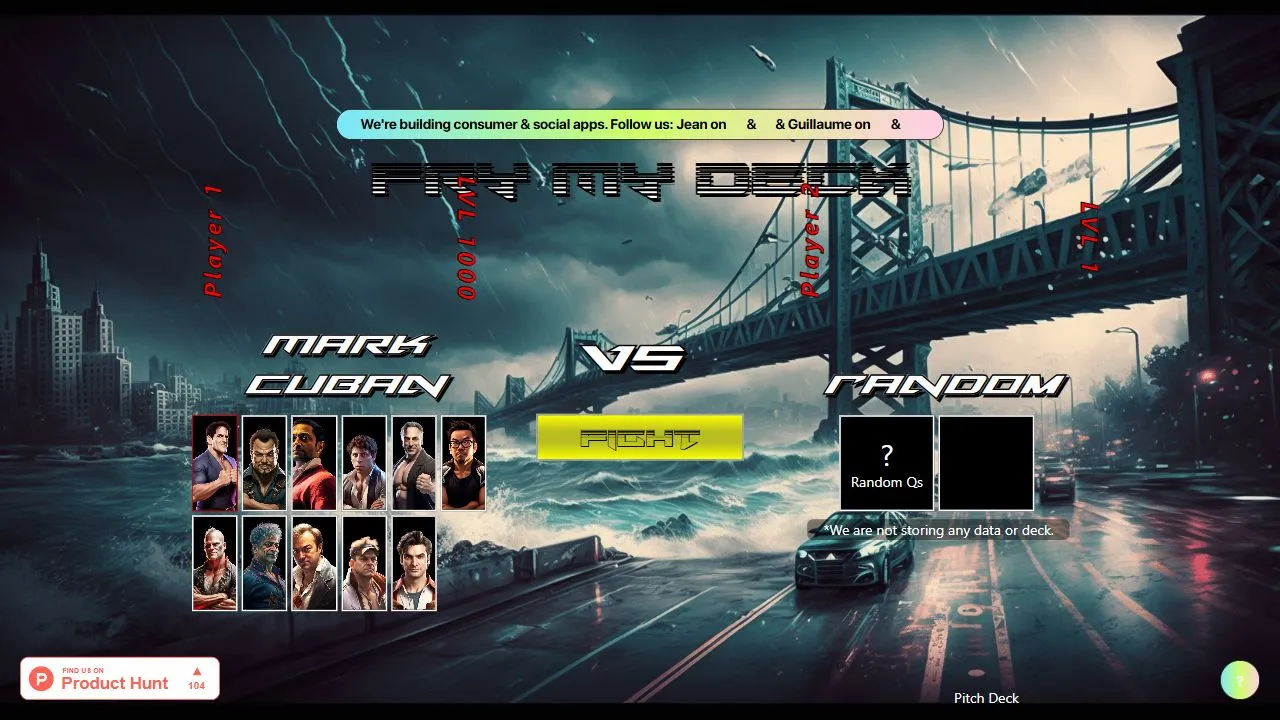
Frymydeck is a free tool that helps you train your pitch by simulating common investor questions.

Claude in PowerPoint
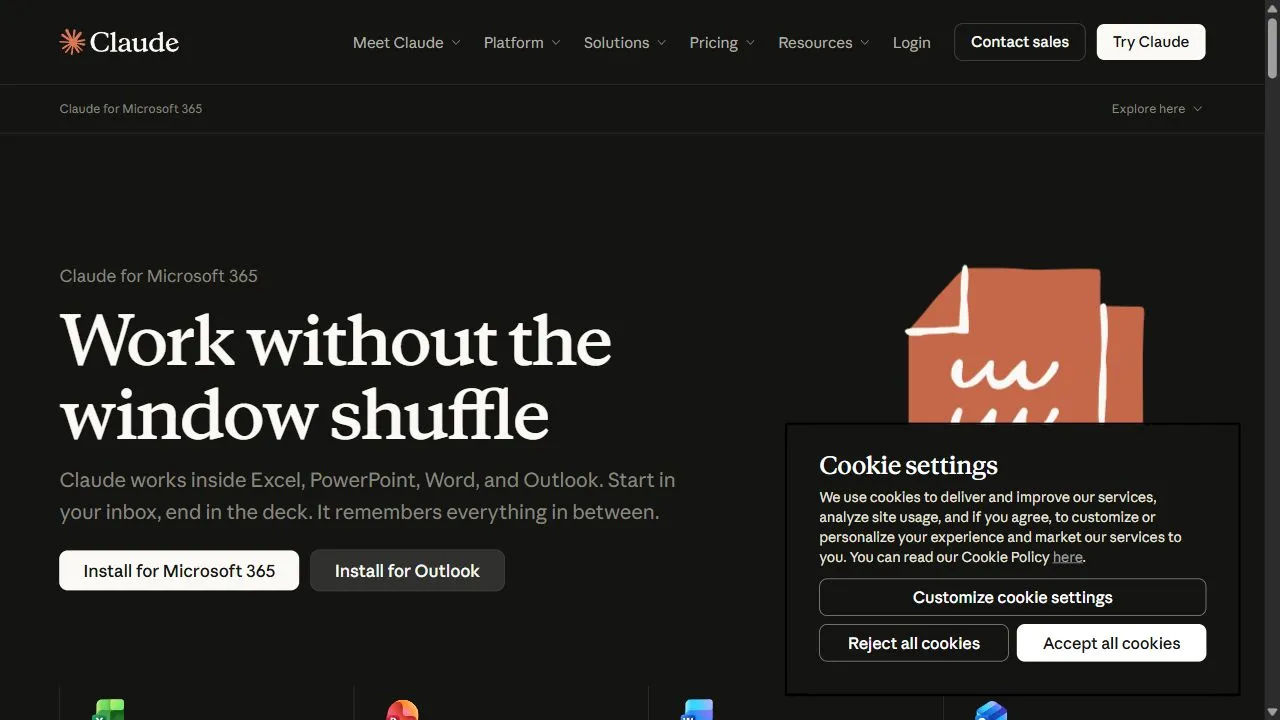
Build and manage your PowerPoint slides in real-time with AI assistance.
Quick Verdict & Takeaway
Head-to-head summary recommendation
Both Frymydeck and Claude in PowerPoint provide high-performance solutions in the Ai Presentation ecosystem. Both platforms are top-rated in their respective categories.
Choose Frymydeck if:
You need a free tool optimized for Pitch Deck Generator with TEXT, AUDIO input formats.
Choose Claude in PowerPoint if:
You prefer a subscription platform geared towards PPT Generator with TEXT, OTHERS output options.
Specification & Feature Matrix
Direct technical comparison between Frymydeck and Claude in PowerPoint
| Feature / Spec | Frymydeck | Claude in PowerPoint |
|---|---|---|
| Pricing Model | FREE | SUBSCRIPTION |
| Starting Price | Free / Not Listed | $17/mo |
| Category | Ai Presentation | Ai Presentation |
| Subcategory | Pitch Deck Generator | PPT Generator |
| Supported Inputs | TEXT, AUDIO | TEXT |
| Generated Outputs | TEXT | TEXT, OTHERS |
| User Rating | ★ 4.0 / 5.0 (0) | ★ 4.0 / 5.0 (0) |
| Verified Status | Unverified | Unverified |
Interface & UI Showcase
Visual previews and interface screenshots
Frymydeck Interface
Claude in PowerPoint Interface
Pros & Cons Comparison
Frymydeck Pros & Cons
Strengths
- 100% free access
- Excellent for building confidence
Limitations
- Limited feedback on non-verbal cues
- Basic interface
Claude in PowerPoint Pros & Cons
Strengths
- Seamless M365 integration
- Very powerful text synthesis
- Improves slide narrative
Limitations
- Requires active subscription to both platforms
- Design elements limited to slide layouts
About Frymydeck
Frymydeck is a specialized AI-powered pitch training simulator designed to help entrepreneurs and startup founders master their investment presentations by leveraging artificial intelligence and interactive simulation . The platform addresses one of the most stressful aspects of the fundraising journey: the unpredictable and often rigorous Q&A session following a pitch. By simulating the challenging environment of a real investor meeting, the tool allows users to practice their responses to common and complex investor questions, ensuring they are not caught off guard during actual high-stakes encounters. The tool solves the critical problem of "pitch anxiety" and the lack of objective, immediate feedback that founders often face when practicing in isolation. Instead of relying on friends or colleagues who may be too lenient, entrepreneurs use this AI-driven environment to encounter realistic objections and scrutiny. The AI analyzes user inputs—delivered via text or audio—and provides constructive feedback to help users refine their speaking style, strengthen their business logic, and anticipate the specific concerns a venture capitalist or angel investor might have regarding their business model, market fit, or scalability. Designed specifically for first-time founders, seasoned entrepreneurs, and business students, Frymydeck functions as a risk-free training ground. By integrating natural language processing and intelligent response simulation , it helps users bridge the gap between having a visually appealing pitch deck and delivering a persuasive, articulate oral presentation. This focus on the human element of pitching makes it an essential resource for anyone looking to optimize their fundraising strategy and increase their chances of securing capital. Key Features of Frymydeck Interactive simulation of venture capital and angel investor questioning sessions. Support for both text and audio inputs to mimic real-world conversational dynamics. Automated generation of challenging, industry-relevant investor objections. Real-time feedback on the clarity and effectiveness of user responses. Scenario-based training modules designed to test different aspects of a business case. Iterative practice loops that allow founders to refine a single answer multiple times. Integration of common investor pain points and skepticism into the simulation logic. Text-based output providing structured suggestions for improving pitch narratives. Why People Use Frymydeck The primary motivation for using Frymydeck is the high stakes associated with investment pitching. In a professional fundraising environment, a single poorly handled question can derail an entire presentation and signal a lack of preparation or a fundamental flaw in the business model. Traditionally, founders practiced their pitches in front of mirrors or trusted peers. However, these methods often lack the critical edge and unpredictability of a real investor, leading to a "confidence gap" when the founder finally stands before actual stakeholders. Users turn to this platform to replace passive practice with active, simulated stress. By simulating the "grilling" process, the tool forces founders to think on their feet and synthesize complex business data into concise, persuasive answers. The ability to use audio inputs is particularly valuable, as it allows users to work on their tone, pacing, and verbal delivery, which are often as important as the actual content of the answer. Furthermore, the tool provides a scalable way to prepare for various types of investors. Since different investors prioritize different metrics—some focusing on growth, others on profitability or technical innovation—the ability to encounter a variety of questioning styles ensures that the founder is prepared for any direction the conversation may take. This shift from static rehearsal to dynamic simulation significantly reduces the time spent on unproductive preparation and increases the overall quality of the founder's communication. Popular Use Cases Pre-Seed and Seed Round Preparation : First-time founders use the tool to transform their technical ideas into a business language that resonates with early-stage investors. Demo Day Rehearsals : Entrepreneurs participating in startup accelerators utilize the simulator to polish their Q&A performance before presenting to a large audience of potential backers. Refining the Pitch Narrative : Users employ the AI to identify gaps in their business logic by seeing which questions the AI consistently asks, indicating areas where the pitch deck may be unclear. Technical Founder Communication Training : CTOs and technical co-founders use the platform to practice explaining complex technologies in a way that emphasizes commercial value rather than just technical specifications. International Founder Adaptation : Non-native English speakers use the tool to practice the specific idioms and professional terminology common in the global venture capital ecosystem. Internal Corporate Pitching : Intrapreneurs within large organizations use the simulation to prepare for budget approvals or internal project pitches to executive leadership. Benefits of Frymydeck Increased Founder Confidence : By experiencing the "worst-case" questions in a safe environment, users enter real meetings with a sense of familiarity and calm. Enhanced Articulation : The iterative nature of the feedback helps users strip away jargon and deliver clear, punchy, and impactful answers. Reduced Fundraising Risk : By anticipating objections before they happen, founders can proactively address weaknesses in their business model within the pitch itself. Improved Time Efficiency : Users can conduct multiple simulated "meetings" in a fraction of the time it would take to schedule actual practice sessions with mentors. Elimination of Financial Barriers : As a free resource, it democratizes access to high-level pitch coaching, allowing bootstrapped founders to prepare as thoroughly as those with expensive consultants. Strengthened Business Logic : The process of answering challenging AI-generated questions often reveals flaws in the founder's own understanding of their market or financials, prompting necessary strategic pivots before the real pitch. Better Handling of Pressure : The simulation trains the brain to remain analytical and composed under scrutiny, reducing the likelihood of freezing or rambling during an actual investor meeting.
About Claude in PowerPoint
Opening Overview Claude in PowerPoint is a sophisticated AI-powered presentation assistant that integrates the advanced linguistic capabilities of Anthropic’s Claude model directly into the Microsoft 365 ecosystem. This integration solves the persistent challenge of converting complex data and lengthy documents into concise, visually structured slides, effectively bridging the gap between raw research and final presentation delivery. By utilizing artificial intelligence and intelligent automation, the tool allows users to generate, edit, and populate PowerPoint slides using natural language commands, significantly reducing the manual effort typically required for slide construction. The core functionality of this tool centers on the use of a Large Language Model (LLM) to handle the cognitive load of synthesis and structuring. Instead of manually distilling information from reports or meeting notes, users can leverage Claude to analyze the source material and distribute it logically across a slide deck. The AI acts as a collaborative design and content partner, transforming the traditional static process of presentation building into a dynamic, conversational workflow. This ensures that the transition from a conceptual outline to a polished deck is fluid and data-driven. Designed primarily for corporate professionals, consultants, educators, and data analysts, Claude in PowerPoint is optimized for those who operate under strict deadlines and manage high volumes of information. By integrating directly into the software users already employ, it eliminates the need to toggle between separate AI chat interfaces and the presentation software. This streamlined approach maximizes productivity and allows users to focus on the strategic delivery of their message rather than the tedious mechanics of text placement and slide organization. Key Features of Claude in PowerPoint Real-time generation of PowerPoint slides based on natural language prompts. Automated drafting of comprehensive presentation outlines from raw text inputs. Intelligent synthesis of large datasets and long-form documents into concise bullet points. Contextual editing and refinement of existing slide content through an AI chat interface. Suggestion of slide layouts that align with the structure of the generated text. Direct integration within the Microsoft 365 environment for seamless workflow execution. Ability to import existing files for AI-driven expansion or content updates. High-fidelity text generation that maintains professional tone and narrative consistency. Rapid population of slide content to remove the friction between research and visualization. Intelligent restructuring of complex narratives into presentation-ready formats. Why People Use Claude in PowerPoint The primary motivation for using Claude in PowerPoint is the elimination of the "blank page syndrome" and the significant time investment required for manual slide synthesis. In a traditional workflow, creating a professional presentation involves several disparate steps: conducting research, summarizing findings in a document, manually creating slides, and then painstakingly distilling that document into short, punchy bullet points. This process is not only time-consuming but often leads to a loss of critical detail or a disjointed narrative flow. By leveraging AI, users can bypass the tedious transcription phase. The tool allows the user to shift their role from a manual content creator to a strategic editor. Instead of spending hours moving text from a PDF to a slide, the user provides the source material and instructs the AI to organize it. This shift drastically reduces cognitive fatigue and ensures that the most relevant insights are highlighted without the risk of human oversight during the manual condensation process. Furthermore, scalability is a major driver for adoption. For professionals who must produce multiple decks per week—such as consultants or agency account managers—the ability to automate the first draft of a presentation is a competitive advantage. The speed of execution provided by the AI integration allows for more iterations and refinements, resulting in a higher-quality final product that is more closely aligned with the intended data insights. Popular Use Cases Corporate Quarterly Business Reviews (QBRs): Executives use the tool to synthesize quarterly performance data and KPIs from spreadsheets into a narrative-driven slide deck for stakeholders. Consulting Market Analysis: Management consultants utilize the integration to convert extensive industry research and competitive benchmarking reports into structured client presentations. Educational Lecture Preparation: Professors and instructors transform detailed curriculum notes and academic papers into organized lecture slides for students. Project Milestone Reporting: Project managers use the tool to turn weekly status updates and technical logs into concise progress reports for senior leadership. Investor Pitch Decks: Startup founders leverage the AI to refine their value propositions and condense complex business models into high-impact slides for venture capitalists. Internal Meeting Summarization: Team leads convert detailed meeting transcripts and action items into a summary deck to align cross-functional teams. Sales Enablement: Sales teams quickly tailor generic product decks to specific client pain points by feeding the AI client-specific data and requesting customized slide content. Benefits of Claude in PowerPoint Drastic Reduction in Production Time: By automating the drafting and population phases, users can create a complete first draft of a presentation in a fraction of the time required by manual methods. Enhanced Narrative Cohesion: The AI ensures that the tone and logical flow remain consistent across all slides, preventing the fragmented feel often found in decks created by multiple contributors. Increased Accuracy in Data Synthesis: The powerful linguistic capabilities of the Claude model reduce the likelihood of omitting key details when condensing large volumes of information. Improved Professional Quality: Users can generate polished, executive-level language and structured layouts that meet corporate standards without requiring advanced copywriting skills. Lowered Cognitive Load: By handling the mechanical task of distilling text, the tool allows users to focus on the high-level strategy, storytelling, and delivery of the presentation. Seamless Ecosystem Integration: The ability to work directly within Microsoft 365 removes the inefficiency of switching between different applications, maintaining a focused state of deep work. Greater Flexibility in Iteration: Because content can be updated via simple natural language commands, users can pivot the direction of a presentation rapidly based on new feedback or data.
More AI Competitors to Compare

Kimi Slides
Ai Presentation

Grist
Ai Presentation
CopySlides
Ai Presentation

Raccoon AI
Ai Presentation
Plus AI for PowerPoint
Ai Presentation

Tenorshare AI Diagrimo
Ai Presentation
Frequently Asked Questions
Most questions answered in under 30 seconds — but if you still have one, write to us at contactgetaitool@gmail.com and we reply within a few hours.
Which is better in 2026, Frymydeck or Claude in PowerPoint?
How does the pricing compare between Frymydeck and Claude in PowerPoint?
Can I use Frymydeck and Claude in PowerPoint for free?
What input and output formats do Frymydeck and Claude in PowerPoint support?
What are the key advantages of Frymydeck?
What are the key advantages of Claude in PowerPoint?
What are top alternative competitors to Frymydeck and Claude in PowerPoint?
Ready to Choose Your AI Tool?
Try both platforms or explore thousands of other curated artificial intelligence tools on GetAiTools.
Tags & Core Competencies
Specific tags and feature capabilities