PINOC by VigglevsMedeo
Side-by-side battle & analysis. Compare features, pricing, real community ratings, and pros & cons in 2026.

PINOC by Viggle
Advanced 3D engine for character and motion animation powered by AI.
Medeo
Medeo is a sophisticated AI-powered video editor designed to simplify the process of content creation by allowing users to generate professional videos through conversational prompts.
Quick Verdict & Takeaway
Head-to-head summary recommendation
Both PINOC by Viggle and Medeo provide high-performance solutions in the Animations ecosystem. Both platforms are top-rated in their respective categories.
Choose PINOC by Viggle if:
You need a mixed tool optimized for Ai Animation with IMAGE, VIDEO input formats.
Choose Medeo if:
You prefer a mixed platform geared towards Ai Animation with TEXT output options.
Specification & Feature Matrix
Direct technical comparison between PINOC by Viggle and Medeo
| Feature / Spec | PINOC by Viggle | Medeo |
|---|---|---|
| Pricing Model | MIXED | MIXED |
| Starting Price | $12.99/mo | $28/mo |
| Category | Animations | Animations |
| Subcategory | Ai Animation | Ai Animation |
| Supported Inputs | IMAGE, VIDEO | TEXT |
| Generated Outputs | VIDEO, OTHERS | TEXT |
| User Rating | ★ 4.0 / 5.0 (0) | ★ 4.0 / 5.0 (0) |
| Verified Status | Unverified | Unverified |
Interface & UI Showcase
Visual previews and interface screenshots
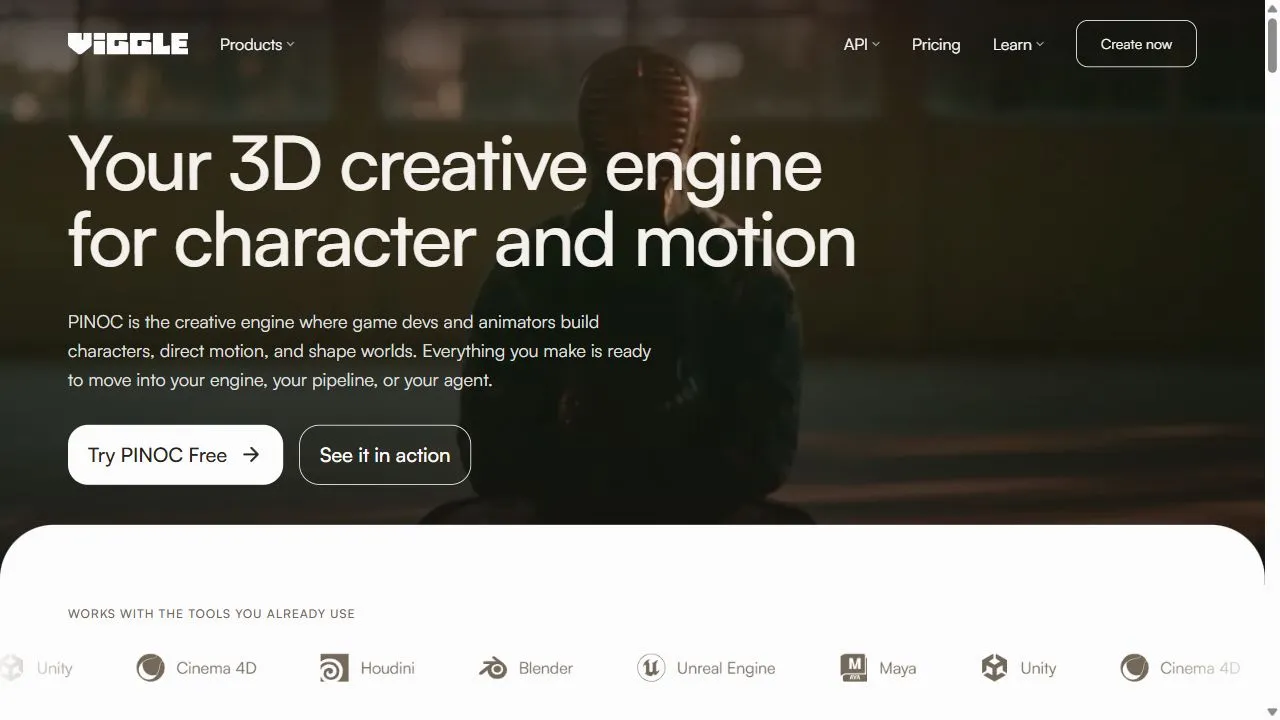
PINOC by Viggle Interface

Medeo Interface

Pros & Cons Comparison
PINOC by Viggle Pros & Cons
Strengths
- High-fidelity output
- Advanced motion AI
Limitations
- Steep learning curve
- Paid subscription model
Medeo Pros & Cons
Real Community Feedback
Verified user reviews from GetAiTools community
PINOC by Viggle Reviews0
No community reviews yet for PINOC by Viggle.
Medeo Reviews1
"I’m not sure I could do my job without Medeo anymore."
About PINOC by Viggle
PINOC by Viggle is a state-of-the-art AI-powered 3D creative engine designed to revolutionize character animation and motion synthesis by leveraging advanced artificial intelligence and automation. The tool solves the primary challenge of traditional 3D animation: the labor-intensive, technical, and time-consuming process of rigging and manual keyframing. By bridging the gap between static imagery and dynamic 3D performance, it enables creators to transform 2D assets into fluid, lifelike animations without requiring deep expertise in complex skeletal structures or vertex weighting. The engine utilizes sophisticated AI motion synthesis to analyze movement data and apply it to character models with high precision. This process allows for the seamless integration of complex motion sequences, ensuring that the resulting animations maintain structural integrity and realistic physics. Designed for a wide array of professionals, including digital artists, game developers, and content creators, the tool optimizes the production pipeline by automating the most tedious aspects of character movement. This enables users to focus on artistic direction and storytelling rather than the technical obstacles associated with traditional 3D software. By implementing high-intent AI animation workflows , PINOC by Viggle targets the growing demand for rapid content generation in the digital era. Whether the goal is to create high-fidelity characters for a professional cinematic production or to generate engaging short-form video content for social media, the tool provides a scalable solution. It effectively democratizes 3D animation, allowing those without a background in technical animation to produce professional-grade motion synthesis that was previously only possible within large-scale animation studios. Key Features of PINOC by Viggle AI-driven motion synthesis for generating realistic character movements. Seamless conversion of static 2D images into dynamic 3D animations. Real-time manipulation of characters and motion data application. Automated rigging processes that eliminate the need for manual bone placement. High-fidelity output rendering suitable for professional production environments. Support for custom character integration to allow users to animate their own unique models. Video-to-motion translation capabilities for extracting movement from source footage. Optimized engine performance for fast iteration and real-time playback. Advanced spatial awareness algorithms to ensure character stability during movement. Intelligent blending of different motion sequences for fluid transitions. Why People Use PINOC by Viggle The core motivation for adopting PINOC by Viggle lies in the extreme inefficiency of traditional 3D animation pipelines. In a standard workflow, animating a character requires a rigorous process of modeling, rigging, skinning, and keyframing. Each of these steps requires specialized knowledge and hundreds of man-hours to achieve a result that looks natural. Creators use this AI engine to bypass these technical bottlenecks, moving from a concept image to a moving character in a fraction of the time. Furthermore, the tool is used to achieve a level of scalability that manual methods cannot match. For developers and artists who need to produce a large volume of animations—such as various NPC movements in a game or multiple character iterations for a marketing campaign—the ability to apply AI-driven motion synthesis is indispensable. The transition from manual vertex manipulation to AI-automated synthesis reduces the margin for human error and ensures a consistent quality of movement across different characters. Accuracy and fidelity are also primary drivers. While many AI tools produce "jittery" or unstable results, this engine is designed for professional-grade output. Users choose this platform because it maintains the proportions and identity of the character while applying complex motions, avoiding the distortions often found in lower-end AI animation tools. This makes it a reliable choice for those who need their assets to be "production-ready." Popular Use Cases Game Development: Indie developers and AAA studios use the tool to rapidly prototype character animations and create diverse movement sets for non-player characters (NPCs) without extensive rigging. Social Media Content Creation: Digital creators use the engine to bring their original characters or avatars to life for viral short-form videos, memes, and storytelling on platforms like TikTok and Instagram. Film and VFX Pre-visualization: Directors and storyboard artists utilize the tool to create quick "animatics" or pre-viz sequences to plan camera angles and character blocking before moving into expensive full-scale production. Virtual Influencer Management: Agencies creating digital humans use the engine to synthesize realistic human motions, allowing virtual influencers to perform dances, gestures, and expressions that feel authentic. Advertising and Marketing: Brand designers use the tool to create eye-catching 3D character ads that can be iterated upon quickly to match different marketing messages or seasonal themes. Digital Art and Concept Design: Concept artists use the engine to test how their character designs look and feel in motion, helping them refine the anatomy and silhouette of their creations. Benefits of PINOC by Viggle Drastic Reduction in Production Time: By automating the rigging and animation process, the tool turns weeks of manual labor into minutes of AI processing. Lower Technical Barrier to Entry: It empowers artists who possess creative vision but lack the technical training in 3D rigging to produce high-quality animations. Enhanced Creative Iteration: The ability to manipulate motion in real-time allows creators to experiment with different movements and styles without the fear of ruining a complex rig. Professional-Grade Quality: The focus on high-fidelity output ensures that the resulting animations are polished and suitable for commercial use in films or games. Improved Workflow Efficiency: By integrating motion synthesis directly into the creative process, teams can synchronize their art and animation departments more effectively. Cost Efficiency: Reducing the reliance on a large team of specialized technical animators lowers the overall cost of producing high-end 3D content. Consistent Character Integrity: The AI ensures that characters maintain their visual identity and structural consistency regardless of the complexity of the motion being applied.
About Medeo
Medeo is a sophisticated AI-powered video editor designed to simplify the process of content creation by allowing users to generate professional videos through conversational prompts. By positioning itself as an "AI video editor for the mind," the platform bridges the gap between a conceptual idea and a polished visual product, utilizing artificial intelligence and natural language processing (NLP) to handle the technical complexities of video production. This tool is specifically engineered for content creators, digital marketers, and business professionals who need to produce high-quality visual content without spending hundreds of hours learning complex editing software. The primary problem Medeo solves is the technical barrier to entry associated with traditional video production. Historically, creating a professional video required a steep learning curve involving the mastery of timelines, keyframes, color grading, and manual asset management. Medeo removes these friction points by implementing an intuitive chat-based interface where the AI acts as a virtual production assistant. The AI analyzes user inputs, understands the intended narrative, and automatically orchestrates the scenes, media selection, and editing flow. This shift from manual manipulation to creative direction allows users to scale their content output while maintaining a professional aesthetic. By integrating advanced AI automation , Medeo streamlines the entire production pipeline from the initial conceptualization phase to the final export. The tool leverages intelligent algorithms to ensure that the visual pacing and media choices align with the user's textual descriptions, ensuring a cohesive story. This makes it an essential utility for those seeking to leverage generative AI for video production , ensuring that the transition from a mental concept to a digital screen is as seamless and efficient as possible. Key Features of Medeo Conversational prompt interface for end-to-end video generation. Automated scene construction based on natural language descriptions. Intelligent media selection and automated asset curation. AI-driven narrative flow and pacing adjustments to match the tone of the prompt. Real-time editing capabilities through simple chat-based commands. Automated application of transitions and visual effects. Text-to-video conceptualization workflows for rapid drafting. Integration of AI-selected stock footage and high-quality imagery. Intuitive prompt-based refinement for modifying existing video clips. Streamlined export options optimized for various social media and professional platforms. Semantic understanding of user intent to ensure visual-textual alignment. Automated synchronization of visual elements with the intended narrative structure. Why People Use Medeo The core motivation behind using Medeo is the desire to eliminate the "technical tax" associated with video editing. In traditional workflows, a creator must spend a significant amount of time performing repetitive, manual tasks such as trimming clips, searching for relevant B-roll, and aligning audio. Medeo replaces this manual labor with a conversational layer, allowing the user to act as a director rather than a technician. By focusing on the "what" rather than the "how," users can translate their thoughts into visuals almost instantaneously. Furthermore, Medeo is used to overcome the "blank canvas" syndrome. Many creators have strong ideas but struggle with the execution phase because the complexity of professional editing software is overwhelming. Medeo provides a low-friction entry point where a simple sentence can generate a workable first draft. This capability allows for rapid iteration, where a user can test multiple creative directions in a fraction of the time it would take to manually edit different versions of a video. The tool is also highly valued for its scalability. For businesses and marketers who need to produce a high volume of content for various platforms, the manual editing process becomes a bottleneck. Medeo enables these users to maintain a consistent production cadence by automating the most time-consuming parts of the editing process, thereby increasing overall operational efficiency and reducing the cost of content production. Popular Use Cases Short-Form Social Media Content : Creating rapid-fire videos for TikTok, Instagram Reels, and YouTube Shorts by simply describing the trend or message. Corporate Communications : Transforming internal memos or company updates into engaging visual presentations for employees. E-commerce Product Showcases : Generating professional product highlight videos from text descriptions to increase conversion rates on storefronts. Educational and Tutorial Content : Converting complex lecture notes or instructional text into structured, visual summaries for students. Digital Marketing Campaigns : Producing a series of A/B test ad creatives by slightly varying the prompts to see which visual narrative performs best. Rapid Prototyping : Developing "proof of concept" videos for larger production projects to align stakeholders on a visual direction before full-scale filming. Personal Storytelling : Allowing individuals to document experiences or share narratives through video without requiring technical editing skills. Brand Awareness Videos : Creating high-level conceptual videos that communicate a brand's mission and values through AI-curated imagery. Benefits of Medeo Drastic Reduction in Production Time : By automating the editing process, users can move from an idea to a finished video in minutes rather than days. Elimination of Technical Barriers : Non-editors can produce professional-grade content without needing to master complex software interfaces or timelines. Increased Creative Agility : The ability to edit via chat allows users to experiment with different styles and narratives effortlessly. Lowered Resource Costs : Reduces the dependency on expensive third-party editing services or the need for high-end hardware capable of rendering heavy video files. Enhanced Content Consistency : AI-driven media selection ensures a cohesive visual style throughout the video, preventing jarring transitions or mismatched assets. Improved Workflow Efficiency : Simplifies the collaboration process by allowing users to describe changes in plain language rather than providing complex technical timestamps. Democratization of Video Production : Empowers small business owners and solo entrepreneurs to compete with larger brands by producing high-quality visual narratives. Optimized Output for Modern Platforms : Ensures that the resulting content is tailored to the consumption habits of modern digital audiences.
More AI Competitors to Compare
Veggie AI
Animations
ImagineX | Image to Video
Animations
Blipix
Animations
AnimateMyPic | Image to Video
Animations

SuperMaker
Animations
ReadKidz
Animations
Frequently Asked Questions
Most questions answered in under 30 seconds — but if you still have one, write to us at contactgetaitool@gmail.com and we reply within a few hours.
Which is better in 2026, PINOC by Viggle or Medeo?
How does the pricing compare between PINOC by Viggle and Medeo?
Can I use PINOC by Viggle and Medeo for free?
What input and output formats do PINOC by Viggle and Medeo support?
What are the key advantages of PINOC by Viggle?
What are the key advantages of Medeo?
What are top alternative competitors to PINOC by Viggle and Medeo?
Ready to Choose Your AI Tool?
Try both platforms or explore thousands of other curated artificial intelligence tools on GetAiTools.
Tags & Core Competencies
Specific tags and feature capabilities