Tattoo CanvasvsInkDrop
Side-by-side battle & analysis. Compare features, pricing, real community ratings, and pros & cons in 2026.
Tattoo Canvas
Design your custom tattoo with an AI-powered tool meant for planning and creation.

InkDrop
Design personalized, high-quality tattoos in seconds using advanced AI technology.
Quick Verdict & Takeaway
Head-to-head summary recommendation
Both Tattoo Canvas and InkDrop provide high-performance solutions in the Tattoos ecosystem. Both platforms are top-rated in their respective categories.
Choose Tattoo Canvas if:
You need a mixed tool optimized for Minimalist Tattoos with TEXT input formats.
Choose InkDrop if:
You prefer a subscription platform geared towards Minimalist Tattoos with IMAGE output options.
Specification & Feature Matrix
Direct technical comparison between Tattoo Canvas and InkDrop
| Feature / Spec | Tattoo Canvas | InkDrop |
|---|---|---|
| Pricing Model | MIXED | SUBSCRIPTION |
| Starting Price | $3/mo | $10/mo |
| Category | Tattoos | Tattoos |
| Subcategory | Minimalist Tattoos | Minimalist Tattoos |
| Supported Inputs | TEXT | TEXT |
| Generated Outputs | IMAGE | IMAGE |
| User Rating | ★ 4.0 / 5.0 (0) | ★ 4.0 / 5.0 (0) |
| Verified Status | Unverified | Unverified |
Interface & UI Showcase
Visual previews and interface screenshots
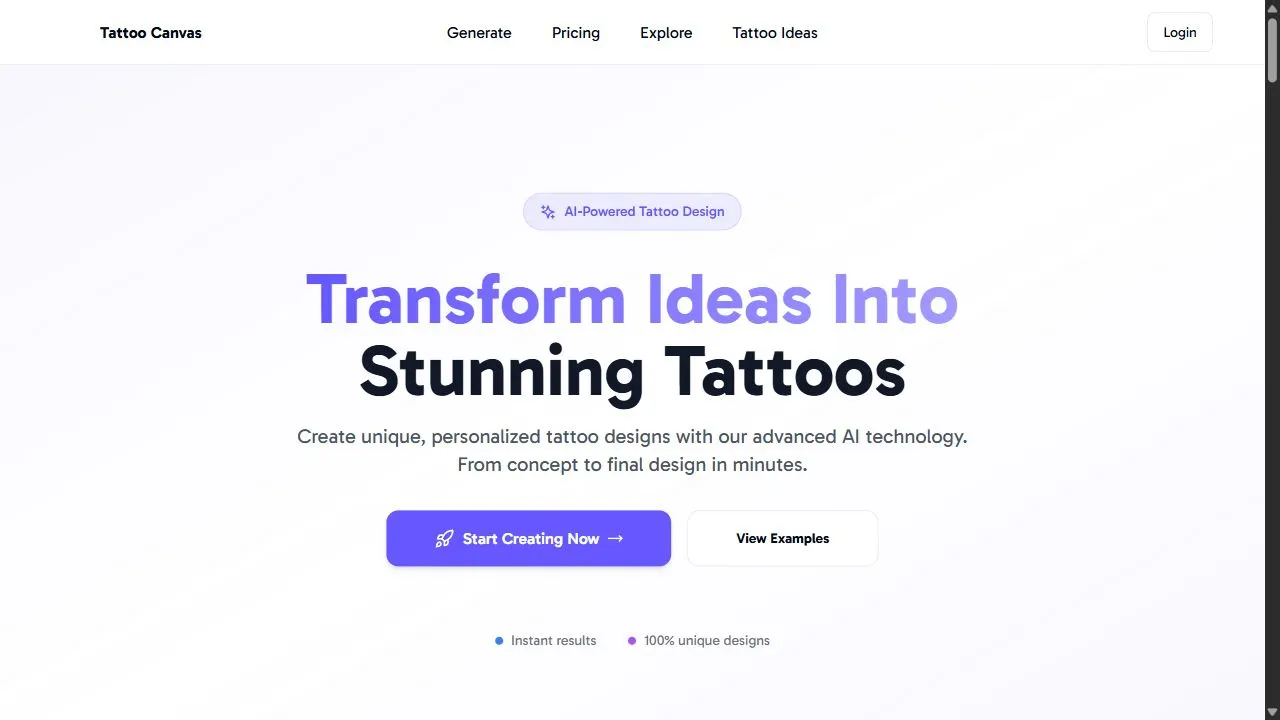
Tattoo Canvas Interface
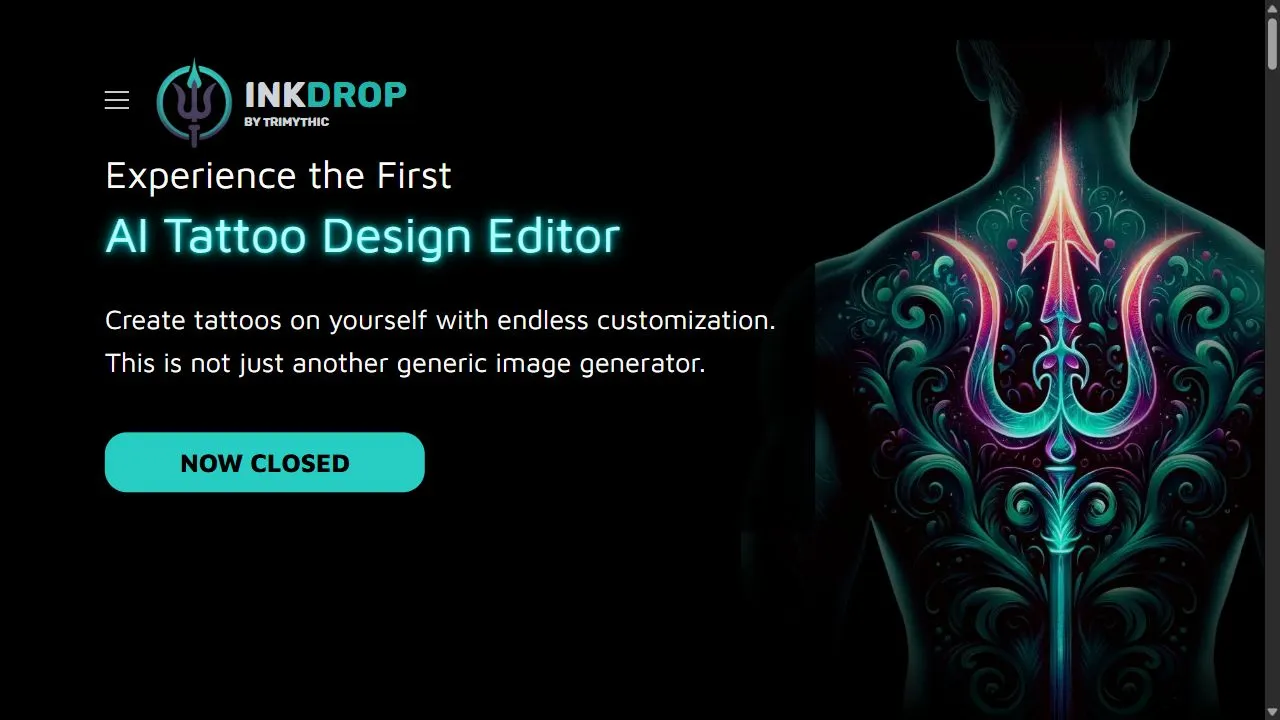
InkDrop Interface
Pros & Cons Comparison
Tattoo Canvas Pros & Cons
Strengths
- Affordable starting price
- Easy to use
Limitations
- Requires payment for high-resolution images
- Limited advanced editing tools
InkDrop Pros & Cons
Strengths
- Fast generation speed
- High-quality artistic outputs
Limitations
- Premium pricing model
- Limited customization after generation
About Tattoo Canvas
Opening Overview Tattoo Canvas is a specialized AI-powered tattoo design platform designed to help users visualize and create custom tattoo concepts by leveraging generative artificial intelligence, automation, and intelligent prompt processing . This tool solves the common struggle of translating a mental image into a concrete visual reference, effectively bridging the communication gap between a client's vision and a tattoo artist's execution. By utilizing advanced generative AI, it allows users to transform simple text descriptions into high-fidelity images that serve as a professional blueprint for permanent body art. The platform is primarily built for individuals who seek a higher degree of precision in their tattoo planning process, ranging from first-time recipients to seasoned collectors. By automating the initial sketching and conceptualization phase, Tattoo Canvas removes the frustration and inefficiency of searching through generic image galleries or mood boards. Instead, it empowers the user to become a co-creator, iterating through different styles, compositions, and thematic elements until the design perfectly aligns with their personal expectations and aesthetic preferences. At its core, the tool leverages AI image generation to analyze specific keywords regarding style, symbolism, and anatomy. Whether a user is looking for minimalist fine-line work, intricate geometric patterns, or complex biomechanical realism, the AI processes these inputs to generate a variety of artistic interpretations. This ensures that the final output is not just a random image, but a tailored design that can be realistically translated onto skin, providing a clear visual guide that streamlines the professional tattooing process. Key Features of Tattoo Canvas Text-to-image generative engine for creating custom tattoo art from descriptions. Customizable prompt inputs for precise control over style, subject, and composition. Support for a wide array of tattoo styles including realism, traditional, and minimalism. Iterative design capability allowing users to refine concepts through prompt adjustment. High-resolution output generation suitable for professional artist reference. Specialized visual canvas for manifesting abstract ideas into concrete imagery. Rapid prototyping of complex thematic elements and symbolic combinations. Simplified workflow for translating conceptual text into professional visual guides. Why People Use Tattoo Canvas The primary motivation for using Tattoo Canvas stems from the inherent permanence of tattooing. Unlike other forms of digital or physical art, a tattoo cannot be easily undone, making the planning and visualization phase critical. Traditionally, users relied on a combination of verbal descriptions, rough hand-drawn sketches, or "mood boards" compiled from disparate images found on social media platforms. This manual method often leads to a "communication gap" where the artist's interpretation differs significantly from the client's vision, potentially resulting in a design that does not meet the client's expectations. Tattoo Canvas replaces this fragmented and often stressful process with a streamlined, AI-driven workflow. Instead of relying on a tattoo artist to guess the nuance of a request—such as the specific flow of a vine or the exact shading of a portrait—users can generate several precise versions of that exact concept. This shifts the design dynamic, allowing the user to provide a concrete visual anchor. The efficiency gained is substantial; what previously required multiple consultation appointments and several manual revisions can now be achieved in a matter of minutes through prompt iteration. Furthermore, the tool provides a level of creative exploration that is difficult to achieve manually. Many individuals possess a clear vision but lack the technical drawing skills required to sketch it. AI removes this barrier, enabling anyone to experiment with complex compositions, varying line weights, and intricate shading styles without needing formal artistic training. This scalability of creativity allows for more ambitious designs and provides the user with the confidence that their final choice is the result of thorough exploration rather than a rushed decision. Popular Use Cases First-Time Tattoo Planning : Assisting new clients in exploring different styles, such as comparing Traditional versus Fine-line, to determine which aesthetic best suits their preferences before committing. Complex Symbolic Integration : Combining multiple disparate elements—such as a family crest, a specific botanical species, and a geometric pattern—into a single, cohesive composition. Professional Artist Reference : Tattooists using the platform to quickly generate a variety of "rough drafts" and conceptual directions to present to clients during initial consultations. Thematic Sleeve Design : Planning the flow and visual continuity of a full-arm or leg sleeve by generating complementary pieces that share a consistent AI-generated style. Minimalist and Micro-Tattoo Design : Creating precise, small-scale icons or symbols that require a specific weight of line and a high degree of simplicity. Memorial and Tribute Art : Visualizing deeply personal and specific imagery for memorial tattoos where precision and emotional resonance are paramount. Style Hybridization : Experimenting with "fusion" styles, such as blending traditional Japanese Irezumi with modern Cyberpunk or Surrealist aesthetics. Benefits of Tattoo Canvas Elimination of Design Ambiguity : Provides a clear, high-quality visual reference that minimizes misunderstandings between the client and the tattoo artist. Accelerated Conceptualization : Dramatically reduces the time spent in the "idea phase" by generating multiple visual iterations in seconds. Enhanced Creative Confidence : Allows users to test risky or complex ideas in a digital environment before they become permanent marks on the skin. Increased Artist Efficiency : Enables professional tattooers to work from a pre-defined visual guide, reducing the number of manual revisions and sketching hours required. Democratic Design Process : Empowers non-artists to create professional-looking blueprints, making high-end custom design accessible to all users regardless of artistic skill. Cost-Effective Iteration : Allows for infinite tweaks to a design via prompt changes, avoiding the costs associated with multiple custom drawing sessions with an artist. Precision in Stylistic Choice : Ensures the user understands exactly how a specific style, such as Neo-traditional or Dotwork, will interact with their chosen subject matter.
About InkDrop
InkDrop is a powerful AI-powered tattoo generator designed to help users create custom, high-fidelity tattoo designs by leveraging artificial intelligence, automation, and intelligent generative workflows . The tool solves the fundamental problem of the "communication gap" between a client's imagination and a tattoo artist's sketch. Instead of spending hours searching through generic image galleries or struggling to describe complex visual concepts through text, users can generate precise, unique artwork based on specific prompts and style preferences. By utilizing advanced generative AI models, InkDrop transforms textual descriptions into visual blueprints, allowing for the rapid exploration of different artistic directions. The tool is primarily designed for individuals seeking one-of-a-kind body art, as well as professional tattoo artists who require a streamlined method for brainstorming and conceptualizing initial drafts for their clients. Whether the goal is a small, minimalist piece or a complex, full-body composition, the platform provides a sophisticated environment for visual experimentation. The integration of AI into the tattoo design process significantly reduces the friction associated with the planning phase. By providing a tangible visual reference, InkDrop enables users to refine their vision before ever stepping into a studio. This ensures a higher degree of accuracy in the final result and minimizes the need for multiple manual revisions by the tattoo artist, making the entire journey from concept to ink more efficient and predictable. Key Features of InkDrop Text-to-image generation specifically optimized for tattoo aesthetics. Support for a wide variety of artistic styles including traditional, neo-traditional, and realism. High-fidelity output generation to ensure clear lines and detail for artist reference. Rapid iteration capabilities allowing users to tweak prompts for precise adjustments. Ability to generate diverse scales of art, from minimalist symbols to intricate sleeves. Intelligent interpretation of complex thematic prompts to create cohesive imagery. High-resolution image exports suitable for printing and digital sharing. Specialized AI training focused on tattoo-specific compositions and skin-compatible layouts. Why People Use InkDrop The core motivation behind using InkDrop is the desire for absolute personalization in an industry where permanent results are required. Traditionally, getting a custom tattoo involves a laborious process of creating mood boards, searching through Pinterest, and hoping the artist interprets a verbal description correctly. This manual method is often prone to error and can lead to designs that do not fully align with the user's vision. InkDrop replaces this guesswork with immediate visual feedback, allowing users to see their ideas materialized in seconds. Furthermore, the tool is used to overcome creative blocks. Many individuals know they want a tattoo but lack the artistic skill to sketch it or the vocabulary to describe it. By leveraging AI, they can experiment with different styles—such as switching a concept from "blackwork" to "watercolor"—without having to start the research process from scratch. This scalability of ideas allows for a level of creative exploration that was previously impossible without hiring a professional designer for the conceptual phase. Efficiency is another driving factor. Professional tattoo artists use InkDrop to speed up their workflow. Rather than spending hours on a preliminary sketch that the client might reject, they can use the AI to generate several high-quality options quickly. Once a direction is chosen, the artist can then apply their professional expertise to refine the AI-generated image into a tattooable stencil, significantly reducing the time spent in the design phase. Popular Use Cases Minimalist Design Generation : Users seeking small, clean, and meaningful symbols can generate a variety of fine-line options to find the perfect balance of simplicity and impact. Complex Sleeve Planning : Individuals planning large-scale projects, such as full-arm or leg sleeves, use the tool to visualize how different elements and themes blend together across a larger area. Conceptual Brainstorming for Artists : Professional tattooists utilize the platform to create rapid prototypes and mood boards to present to clients during initial consultations. Thematic Art Exploration : Users wanting tattoos based on specific niches—such as cyberpunk, gothic, botanical, or geometric art—can generate highly specific imagery that fits those exact aesthetics. Memorial and Symbolic Art : Creating deeply personal pieces that combine multiple symbols (e.g., a specific flower combined with a celestial body) to represent a life event or a loved one. Style Testing : Users who are undecided between styles, such as choosing between Japanese Irezumi and American Traditional, can generate the same prompt in both styles to compare the visual appeal. Benefits of InkDrop Elimination of Design Uncertainty : By producing a concrete image, the tool removes the anxiety of not knowing how a design will look until it is already on the skin. Enhanced Communication : Providing an AI-generated image to a tattoo artist creates a clear visual contract, ensuring both the client and the professional are aligned on the final vision. Dramatic Time Savings : The process of conceptualizing a design is reduced from days or weeks of searching and sketching to a few seconds of prompt engineering. Unlimited Creative Freedom : Users are no longer limited by their own drawing abilities or the existing portfolios of local artists; they can envision anything the AI can generate. Increased Design Quality : The use of high-fidelity AI ensures that the resulting references are artistically composed and visually striking. Reduced Revision Cycles : Because the user can refine the prompt until the image is perfect, the number of manual changes required by the tattoo artist is significantly lowered. Cost-Effective Prototyping : Users can explore dozens of different design iterations for a flat subscription fee, which is far more affordable than paying for multiple custom design sessions.
More AI Competitors to Compare
NewTattoo.ai
Tattoos


AI Tattoo Ink
Tattoos

Tattoos.ai
Tattoos

InkStudio AI
Tattoos
Frequently Asked Questions
Most questions answered in under 30 seconds — but if you still have one, write to us at contactgetaitool@gmail.com and we reply within a few hours.
Which is better in 2026, Tattoo Canvas or InkDrop?
How does the pricing compare between Tattoo Canvas and InkDrop?
Can I use Tattoo Canvas and InkDrop for free?
What input and output formats do Tattoo Canvas and InkDrop support?
What are the key advantages of Tattoo Canvas?
What are the key advantages of InkDrop?
What are top alternative competitors to Tattoo Canvas and InkDrop?
Ready to Choose Your AI Tool?
Try both platforms or explore thousands of other curated artificial intelligence tools on GetAiTools.
Tags & Core Competencies
Specific tags and feature capabilities