The Muse ShopvsTrue Fit
Side-by-side battle & analysis. Compare features, pricing, real community ratings, and pros & cons in 2026.

The Muse Shop
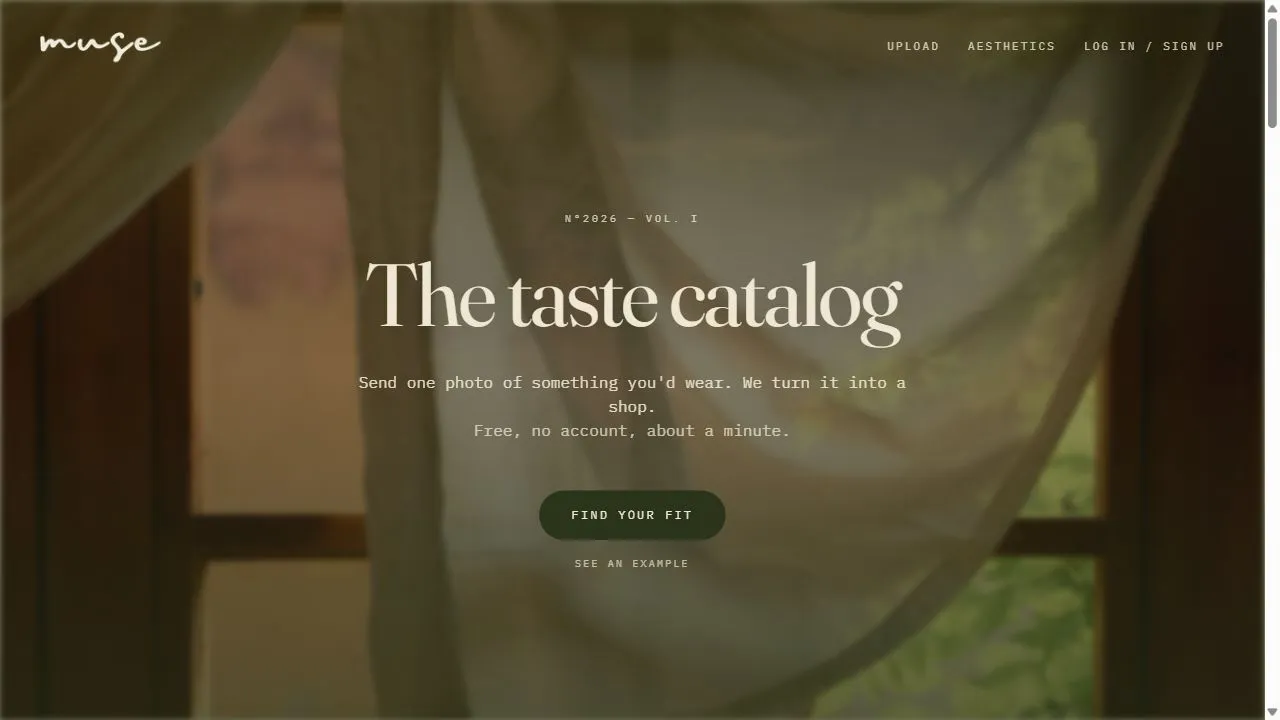
Turn your style photos and Pinterest boards into a personalized, shoppable store.

True Fit
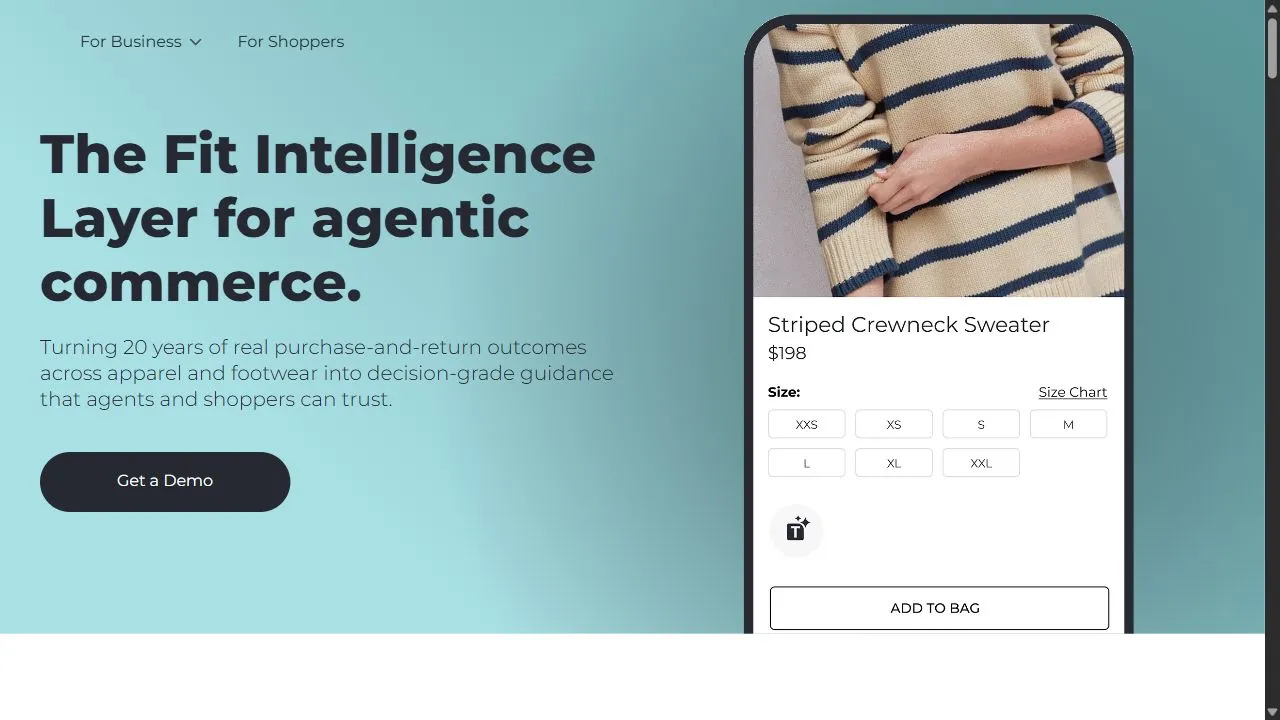
Decode size and fit with AI for confident shopping.
Quick Verdict & Takeaway
Head-to-head summary recommendation
Both The Muse Shop and True Fit provide high-performance solutions in the Clothing ecosystem. Both platforms are top-rated in their respective categories.
Choose The Muse Shop if:
You need a free tool optimized for Fashion with IMAGE input formats.
Choose True Fit if:
You prefer a free platform geared towards Fashion with TEXT output options.
Specification & Feature Matrix
Direct technical comparison between The Muse Shop and True Fit
| Feature / Spec | The Muse Shop | True Fit |
|---|---|---|
| Pricing Model | FREE | FREE |
| Starting Price | Free / Not Listed | Free / Not Listed |
| Category | Clothing | Clothing |
| Subcategory | Fashion | Fashion |
| Supported Inputs | IMAGE | TEXT |
| Generated Outputs | TEXT, IMAGE | TEXT |
| User Rating | ★ 4.0 / 5.0 (0) | ★ 4.0 / 5.0 (0) |
| Verified Status | Unverified | Unverified |
Interface & UI Showcase
Visual previews and interface screenshots
The Muse Shop Interface

True Fit Interface
Pros & Cons Comparison
The Muse Shop Pros & Cons
Strengths
- Easy shopping flow
- Highly personalized recommendations
Limitations
- Depends on available inventory
- Quality depends on input images
True Fit Pros & Cons
Strengths
- Reduces online shopping returns
- High brand integration
Limitations
- Primarily a B2B service
- Requires retailer integration
About The Muse Shop
Opening Overview The Muse Shop is a powerful AI-powered fashion curation platform designed to help users transform visual inspiration into shoppable collections by leveraging artificial intelligence, computer vision, and automated product matching . The tool solves the common frustration of the "inspiration gap"—the difficult process of finding the exact clothing items seen on social media, Pinterest boards, or street style photography. By automating the identification of garments and accessories, it bridges the divide between passive browsing and active wardrobe acquisition. The platform utilizes advanced AI vision technology to analyze uploaded images, identifying specific attributes such as fabric, cut, color, and style. Once the AI interprets the visual data, it scans available inventories to find the exact items or highly accurate alternatives that match the user's aesthetic. This process eliminates the need for tedious keyword searches and manual filtering across multiple e-commerce websites, making high-fashion trends and personalized styles accessible to everyone regardless of their shopping expertise. Designed for trendsetters, digital curators, and fashion enthusiasts, The Muse Shop serves as a personalized bridge to a curated closet. It is specifically built for users who maintain extensive mood boards but struggle to translate those images into real-world purchases. By converting static images into a personalized, shoppable store, the tool streamlines the fashion discovery process and ensures that a user's digital aesthetic is accurately reflected in their physical wardrobe. Key Features of The Muse Shop AI-driven image recognition to identify clothing items from uploaded photos. Automated creation of personalized, shoppable collections based on visual inputs. Intelligent matching system that suggests suitable alternatives when exact items are unavailable. Support for transforming curated Pinterest boards into actionable shopping lists. Visual analysis of outfit components to break down full looks into individual purchasable pieces. Aesthetic profile mapping to ensure recommendations align with the user's specific style. Seamless transition from image upload to product discovery without manual keyword entry. Fast processing speeds for real-time fashion analysis and product retrieval. Why People Use The Muse Shop The primary motivation for using The Muse Shop is the desire to eliminate the friction inherent in modern online fashion shopping. Traditionally, when a user finds an outfit they admire on a platform like Pinterest or Instagram, the process of acquiring that look is manual and time-consuming. It often involves using third-party reverse image searches, guessing keywords (e.g., "high-waisted linen trousers with pleats"), and browsing through dozens of retail sites only to find items that are slightly off in fit, color, or style. Users turn to this AI solution because it replaces manual labor with computational accuracy. Instead of spending hours searching for a specific aesthetic, the AI handles the heavy lifting of visual decomposition. By analyzing the geometry and texture of a garment in a photo, the system can provide a curated selection of products that match the visual intent of the original image. This shift from "search-based shopping" to "vision-based shopping" significantly reduces the cognitive load on the user. Furthermore, the tool provides a level of scalability that manual curation cannot match. A user can upload entire boards of inspiration and receive a comprehensive, personalized shop in a fraction of the time it would take to build a wishlist manually. This allows users to experiment with different style archetypes and build cohesive wardrobes based on visual evidence rather than vague descriptions. The ability to find "suitable alternatives" also makes fashion more inclusive, allowing users to find similar looks across various price points and brands. Popular Use Cases Pinterest Board Conversion : Users with extensive style boards can upload their curated images to automatically generate a shopping list of every item featured in their inspiration. Social Media Trend Acquisition : Fashion enthusiasts who see a viral outfit on TikTok or Instagram can upload a screenshot to find where to buy the pieces or find affordable dupes. Capsule Wardrobe Planning : Individuals looking to build a minimalist wardrobe can upload "aesthetic goals" images to find core pieces that fit a specific visual theme. Event-Based Outfit Sourcing : Users planning for weddings, galas, or themed parties can upload reference photos of the desired dress code to quickly find matching attire. Digital Stylist Workflow : Independent stylists can use the tool to quickly source garments for clients based on mood boards without manually searching through individual brand catalogs. Aesthetic Transitioning : People looking to change their personal style can upload images of a new aesthetic they wish to adopt and receive a curated starter kit of clothing. Benefits of The Muse Shop Drastic Reduction in Search Time : By removing the need for manual keyword searching, users move from inspiration to checkout significantly faster. Increased Style Accuracy : The use of AI vision ensures that the products found are visually aligned with the original inspiration, reducing the likelihood of purchasing items that do not fit the intended look. Simplified Wardrobe Curation : The tool organizes disparate images into a centralized, shoppable store, making it easier to manage fashion goals and purchases. Enhanced Discovery of Alternatives : Users are introduced to brands and products they might not have found through traditional search, expanding their shopping horizons. Lowered Barrier to Fashion Entry : By automating the "sourcing" phase of fashion, the tool allows individuals who are not professional shoppers to curate high-end looks effortlessly. Elimination of Shopping Fatigue : By providing a curated list of matches rather than endless pages of search results, the tool prevents the overwhelm often associated with online shopping. Seamless Aesthetic Synchronization : Ensures that the physical items added to a closet are a true reflection of the digital mood boards the user admires.
About True Fit
Opening Overview True Fit is a sophisticated AI-powered size and fit recommendation platform designed to help retailers and consumers bridge the gap between online shopping and physical fit by leveraging artificial intelligence, big data, and intelligent mapping workflows . The platform solves one of the most persistent challenges in the e-commerce industry: the sizing discrepancy that leads to high product return rates and consumer frustration. By analyzing vast datasets encompassing both garment dimensions and consumer body profiles, True Fit removes the guesswork from the online apparel shopping experience. The core of the technology relies on a massive data network that maps the fit of millions of products across thousands of brands. Instead of relying on static, often inaccurate size charts, the AI utilizes a dynamic recommendation engine that considers a user's previous purchase history, brand preferences, and specific fit requirements. This allows the system to provide a personalized size suggestion that is tailored to the individual's unique body shape and the specific cut of the garment, ensuring a higher probability of a first-time correct fit. Designed primarily for the global retail sector, True Fit serves as a critical infrastructure layer for fashion brands, footwear companies, and multi-brand marketplaces. By integrating this AI solution, retailers can transform their digital storefronts into personalized shopping environments. For the end-user, the tool provides a seamless, private, and data-driven way to navigate varying brand scales, effectively reducing the anxiety associated with purchasing clothing and shoes online. Key Features of True Fit Personalized size recommendations based on individual consumer data and garment specifications. Cross-brand fit mapping that translates sizes between different manufacturers and labels. Advanced data analytics to identify sizing trends and inconsistencies within product lines. Seamless API integration for embedding fit tools directly into e-commerce product pages. Consumer profile synchronization that allows users to carry their fit preferences across multiple participating retailers. Real-time size suggestions that update based on the specific cut, fabric, and style of an item. Privacy-centric data architecture that protects consumer information while delivering tailored results. Large-scale garment profiling that analyzes the physical dimensions of apparel to ensure accuracy. Dynamic fit feedback loops that refine recommendations based on actual purchase and return outcomes. Multi-category support covering apparel, footwear, and accessories. Why People Use True Fit The primary motivation for adopting True Fit is the elimination of the "fit gap," the uncertainty consumers feel when they cannot try on a garment before purchasing. In traditional online shopping, users are forced to rely on generic size charts, which are frequently inconsistent between brands or even between different styles within the same brand. This manual process of guessing a size often leads to "bracket shopping," where consumers purchase multiple sizes of the same item with the intention of returning those that do not fit. Retailers utilize True Fit to combat the staggering costs associated with reverse logistics. Product returns due to poor fit are the leading cause of revenue loss in the fashion e-commerce sector, encompassing shipping costs, restocking labor, and the potential devaluation of returned merchandise. By replacing static charts with AI-driven precision, brands can significantly lower their return rates and improve their operational efficiency. From a consumer perspective, the tool is used to save time and reduce the stress of the shopping process. Instead of researching brand reviews or measuring themselves with a tape measure, users can leverage their existing data to receive an instant, confident recommendation. This shift from a manual, trial-and-error approach to an automated, data-backed system increases consumer confidence and encourages higher conversion rates for the retailer. Popular Use Cases Global Apparel Retailers: Large-scale fashion brands use the platform to standardize sizing across various international markets where size norms differ significantly. Luxury Fashion Houses: High-end brands implement the tool to maintain a premium customer experience, ensuring that the precision of the fit matches the quality of the garment. Footwear Brands: Shoe manufacturers utilize the AI to handle the complex nuances of width and length variations across different shoe styles and materials. Multi-Brand Online Marketplaces: E-commerce platforms that host hundreds of different labels use True Fit to provide a consistent sizing experience across a diverse product catalog. Athleisure and Performance Wear: Brands specializing in compression or high-stretch gear use the tool to help athletes find the exact level of support and fit required for specific activities. Fast-Fashion Entities: High-volume retailers use the data insights to identify if certain product lines are consistently running too large or too small, allowing for faster design adjustments. Benefits of True Fit Reduced Return Rates: By increasing the accuracy of the first purchase, retailers see a dramatic decrease in the volume of returns driven by sizing issues. Increased Conversion Rates: Consumers are more likely to complete a purchase when they have a high level of confidence that the item will fit correctly. Enhanced Customer Loyalty: Providing a stress-free, personalized shopping experience fosters trust and encourages repeat business from satisfied customers. Operational Cost Savings: Lowering the number of returns reduces the financial burden of shipping, processing, and refurbishing returned goods. Improved Sustainability: By reducing the frequency of shipping and returning items, the platform helps lower the carbon footprint associated with e-commerce logistics. Data-Driven Product Development: Retailers gain valuable insights into the body types of their customer base, enabling them to optimize their sizing offerings. Streamlined User Experience: The seamless integration of AI recommendations removes friction from the buyer's journey, making the transition from browsing to purchasing faster. Scalable Fit Logic: The platform can manage millions of SKUs simultaneously, ensuring that every item in a massive inventory has an associated fit logic.
More AI Competitors to Compare


Wardrobe AI
Clothing


Sneaker Design by Imajinn
Clothing

Outfit.fm
Clothing
Frequently Asked Questions
Most questions answered in under 30 seconds — but if you still have one, write to us at contactgetaitool@gmail.com and we reply within a few hours.
Which is better in 2026, The Muse Shop or True Fit?
How does the pricing compare between The Muse Shop and True Fit?
Can I use The Muse Shop and True Fit for free?
What input and output formats do The Muse Shop and True Fit support?
What are the key advantages of The Muse Shop?
What are the key advantages of True Fit?
What are top alternative competitors to The Muse Shop and True Fit?
Ready to Choose Your AI Tool?
Try both platforms or explore thousands of other curated artificial intelligence tools on GetAiTools.
Tags & Core Competencies
Specific tags and feature capabilities