True FitvsOutfits AI
Side-by-side battle & analysis. Compare features, pricing, real community ratings, and pros & cons in 2026.

True Fit
Decode size and fit with AI for confident shopping.

Outfits AI
Visualize endless outfit combinations effortlessly using advanced AI for your virtual wardrobe.
Quick Verdict & Takeaway
Head-to-head summary recommendation
Both True Fit and Outfits AI provide high-performance solutions in the Clothing ecosystem. Both platforms are top-rated in their respective categories.
Choose True Fit if:
You need a free tool optimized for Fashion with TEXT input formats.
Choose Outfits AI if:
You prefer a mixed platform geared towards Fashion with IMAGE output options.
Specification & Feature Matrix
Direct technical comparison between True Fit and Outfits AI
| Feature / Spec | True Fit | Outfits AI |
|---|---|---|
| Pricing Model | FREE | MIXED |
| Starting Price | Free / Not Listed | $15/mo |
| Category | Clothing | Clothing |
| Subcategory | Fashion | Fashion |
| Supported Inputs | TEXT | IMAGE, TEXT |
| Generated Outputs | TEXT | IMAGE |
| User Rating | ★ 4.0 / 5.0 (0) | ★ 4.0 / 5.0 (0) |
| Verified Status | Unverified | Unverified |
Interface & UI Showcase
Visual previews and interface screenshots
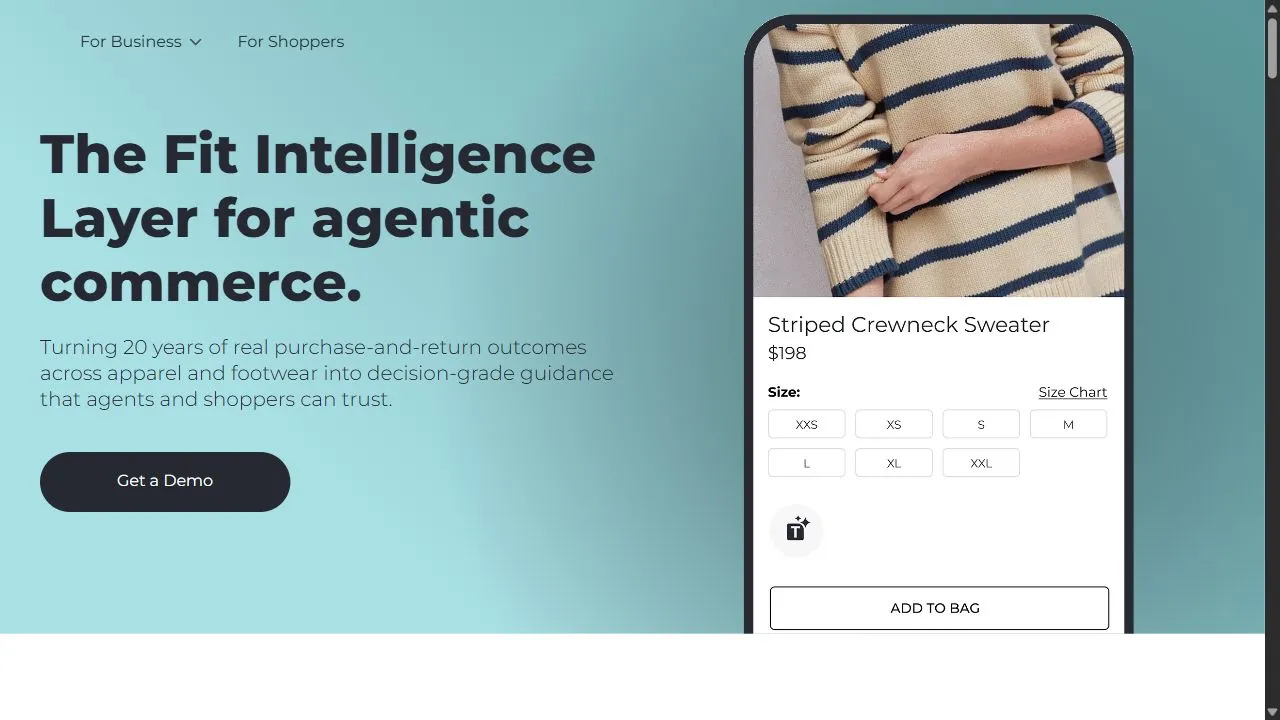
True Fit Interface
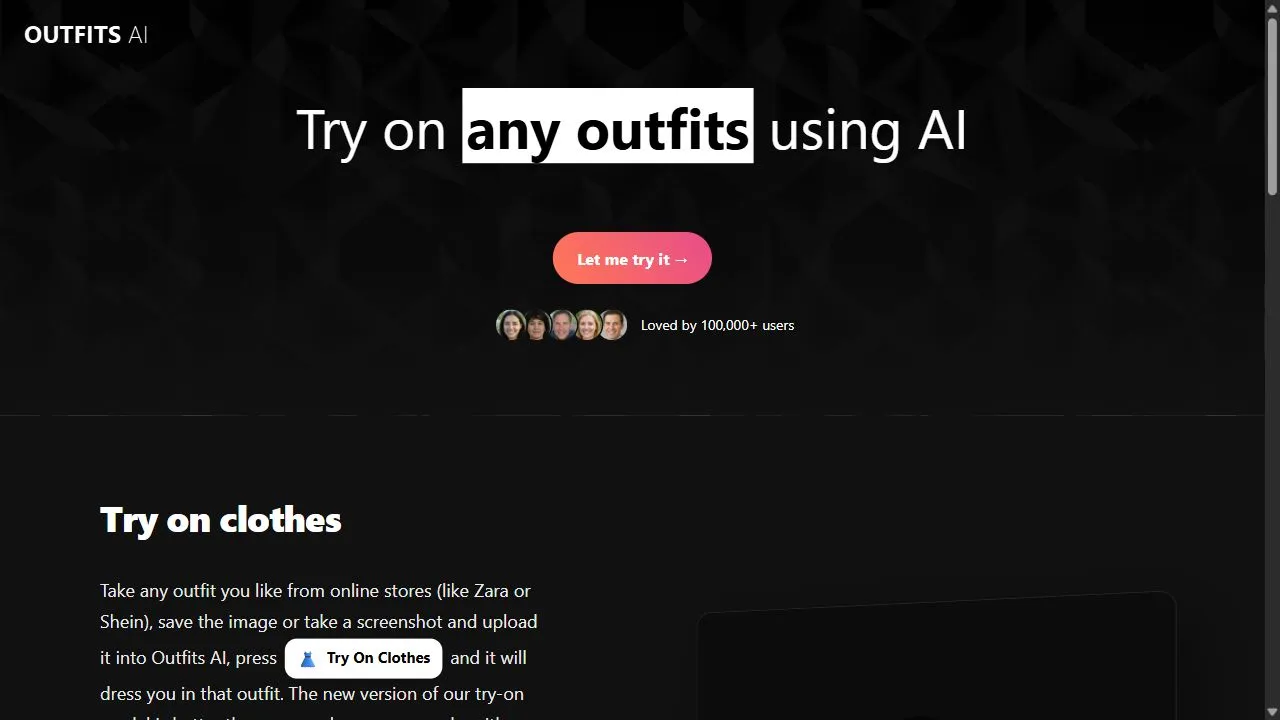
Outfits AI Interface
Pros & Cons Comparison
True Fit Pros & Cons
Strengths
- Reduces online shopping returns
- High brand integration
Limitations
- Primarily a B2B service
- Requires retailer integration
Outfits AI Pros & Cons
Strengths
- High-fidelity image generation
- Wide range of style options
Limitations
- Subscription costs can be high
- Requires high-quality source images
About True Fit
Opening Overview True Fit is a sophisticated AI-powered size and fit recommendation platform designed to help retailers and consumers bridge the gap between online shopping and physical fit by leveraging artificial intelligence, big data, and intelligent mapping workflows . The platform solves one of the most persistent challenges in the e-commerce industry: the sizing discrepancy that leads to high product return rates and consumer frustration. By analyzing vast datasets encompassing both garment dimensions and consumer body profiles, True Fit removes the guesswork from the online apparel shopping experience. The core of the technology relies on a massive data network that maps the fit of millions of products across thousands of brands. Instead of relying on static, often inaccurate size charts, the AI utilizes a dynamic recommendation engine that considers a user's previous purchase history, brand preferences, and specific fit requirements. This allows the system to provide a personalized size suggestion that is tailored to the individual's unique body shape and the specific cut of the garment, ensuring a higher probability of a first-time correct fit. Designed primarily for the global retail sector, True Fit serves as a critical infrastructure layer for fashion brands, footwear companies, and multi-brand marketplaces. By integrating this AI solution, retailers can transform their digital storefronts into personalized shopping environments. For the end-user, the tool provides a seamless, private, and data-driven way to navigate varying brand scales, effectively reducing the anxiety associated with purchasing clothing and shoes online. Key Features of True Fit Personalized size recommendations based on individual consumer data and garment specifications. Cross-brand fit mapping that translates sizes between different manufacturers and labels. Advanced data analytics to identify sizing trends and inconsistencies within product lines. Seamless API integration for embedding fit tools directly into e-commerce product pages. Consumer profile synchronization that allows users to carry their fit preferences across multiple participating retailers. Real-time size suggestions that update based on the specific cut, fabric, and style of an item. Privacy-centric data architecture that protects consumer information while delivering tailored results. Large-scale garment profiling that analyzes the physical dimensions of apparel to ensure accuracy. Dynamic fit feedback loops that refine recommendations based on actual purchase and return outcomes. Multi-category support covering apparel, footwear, and accessories. Why People Use True Fit The primary motivation for adopting True Fit is the elimination of the "fit gap," the uncertainty consumers feel when they cannot try on a garment before purchasing. In traditional online shopping, users are forced to rely on generic size charts, which are frequently inconsistent between brands or even between different styles within the same brand. This manual process of guessing a size often leads to "bracket shopping," where consumers purchase multiple sizes of the same item with the intention of returning those that do not fit. Retailers utilize True Fit to combat the staggering costs associated with reverse logistics. Product returns due to poor fit are the leading cause of revenue loss in the fashion e-commerce sector, encompassing shipping costs, restocking labor, and the potential devaluation of returned merchandise. By replacing static charts with AI-driven precision, brands can significantly lower their return rates and improve their operational efficiency. From a consumer perspective, the tool is used to save time and reduce the stress of the shopping process. Instead of researching brand reviews or measuring themselves with a tape measure, users can leverage their existing data to receive an instant, confident recommendation. This shift from a manual, trial-and-error approach to an automated, data-backed system increases consumer confidence and encourages higher conversion rates for the retailer. Popular Use Cases Global Apparel Retailers: Large-scale fashion brands use the platform to standardize sizing across various international markets where size norms differ significantly. Luxury Fashion Houses: High-end brands implement the tool to maintain a premium customer experience, ensuring that the precision of the fit matches the quality of the garment. Footwear Brands: Shoe manufacturers utilize the AI to handle the complex nuances of width and length variations across different shoe styles and materials. Multi-Brand Online Marketplaces: E-commerce platforms that host hundreds of different labels use True Fit to provide a consistent sizing experience across a diverse product catalog. Athleisure and Performance Wear: Brands specializing in compression or high-stretch gear use the tool to help athletes find the exact level of support and fit required for specific activities. Fast-Fashion Entities: High-volume retailers use the data insights to identify if certain product lines are consistently running too large or too small, allowing for faster design adjustments. Benefits of True Fit Reduced Return Rates: By increasing the accuracy of the first purchase, retailers see a dramatic decrease in the volume of returns driven by sizing issues. Increased Conversion Rates: Consumers are more likely to complete a purchase when they have a high level of confidence that the item will fit correctly. Enhanced Customer Loyalty: Providing a stress-free, personalized shopping experience fosters trust and encourages repeat business from satisfied customers. Operational Cost Savings: Lowering the number of returns reduces the financial burden of shipping, processing, and refurbishing returned goods. Improved Sustainability: By reducing the frequency of shipping and returning items, the platform helps lower the carbon footprint associated with e-commerce logistics. Data-Driven Product Development: Retailers gain valuable insights into the body types of their customer base, enabling them to optimize their sizing offerings. Streamlined User Experience: The seamless integration of AI recommendations removes friction from the buyer's journey, making the transition from browsing to purchasing faster. Scalable Fit Logic: The platform can manage millions of SKUs simultaneously, ensuring that every item in a massive inventory has an associated fit logic.
About Outfits AI
Outfits AI is a cutting-edge AI-powered virtual wardrobe platform designed to help users visualize endless fashion possibilities without the need to physically change their attire. By leveraging advanced generative AI models, the platform allows individuals to upload their own photographs and experiment with a vast array of clothing styles, patterns, and fits in real-time. It solves the recurring problem of decision fatigue and the time-consuming nature of physical outfit planning, providing a digital environment where fashion experimentation is instantaneous and limitless. The tool utilizes sophisticated artificial intelligence to analyze the user's body shape and posture from an uploaded image, then seamlessly overlays new garments while maintaining realistic textures, lighting, and draping. This process eliminates the gap between imagining a look and seeing it rendered on one's own frame. Outfits AI is specifically engineered for fashion enthusiasts, digital content creators, influencers, and style professionals who require a high-fidelity method to optimize their personal brand and aesthetic without the clutter of a physical wardrobe. By integrating text-based prompts and image inputs, the platform creates a synergistic workflow for style discovery. Users can either describe a specific look they wish to achieve or browse through existing styles to see how they translate to their unique physical characteristics. This application of generative AI transforms the traditional approach to dressing, moving it from a trial-and-error physical process to a streamlined, data-driven digital experience. Key Features of Outfits AI Generative AI-driven garment replacement and outfit visualization. Support for high-resolution personal photo uploads for tailored results. Text-to-style prompts allowing users to describe specific clothing items or aesthetics. High-fidelity image generation that mimics real-world fabric textures and fits. Real-time rendering of diverse clothing patterns, colors, and silhouettes. Ability to experiment with multiple fashion categories, from formal wear to streetwear. Rapid iteration tools to test dozens of outfit combinations in a single session. Seamless interface designed for quick transitions between different style options. Advanced image processing to ensure clothing aligns naturally with the user's body contour. Why People Use Outfits AI The primary motivation for using Outfits AI is the desire to eliminate the friction associated with traditional wardrobe management. In a manual setting, testing ten different outfit combinations requires significant time, physical effort, and subsequent cleanup. By transitioning this process to a virtual environment, users can accomplish in seconds what previously took hours. This shift significantly reduces "decision fatigue," allowing users to make confident fashion choices based on visual evidence rather than guesswork. Furthermore, many users struggle with the discrepancy between how a garment looks on a professional model in an online store and how it looks on their own body. Outfits AI bridges this gap by providing a personalized visualization. Instead of relying on imagination, users can see a realistic representation of a style on their own physique. This leads to greater accuracy in style selection and reduces the likelihood of purchasing clothing that does not suit the user's body type or personal aesthetic. Scalability is another critical driver. For those who manage a professional image, such as influencers or public figures, the need to constantly refresh their look is high. The ability to digitally prototype a month's worth of outfits in one sitting provides an unparalleled level of organization and creative freedom. The tool transforms the wardrobe from a physical limitation into a digital playground, where the only constraint is the user's imagination. Popular Use Cases Fashion Influencers and Content Creators: Planning visual themes for social media shoots and ensuring a cohesive aesthetic across multiple posts without needing to physically possess every garment. Personal Style Evolution: Users transitioning to a new aesthetic—such as moving from business casual to minimalism—can test various "looks" to see what resonates with their identity before investing in new clothing. Event Preparation: Coordinating complex attire for weddings, corporate galas, or award ceremonies by visualizing different accessory and clothing combinations to find the most flattering option. Virtual Shopping Research: Using the tool to visualize specific styles or trends seen on runways or in magazines to determine if they are compatible with the user's personal physical characteristics. Professional Stylists: Creating digital mood boards for clients that feature the client's own image rather than generic stock photos, providing a more personalized and persuasive styling service. Wardrobe Optimization: Identifying gaps in a physical wardrobe by visualizing what is missing to complete certain looks, thereby promoting more intentional and sustainable shopping habits. Benefits of Outfits AI Dramatic Time Savings: Reduces the time spent on physical dressing and undressing by replacing the process with instant AI generation. Increased Style Confidence: Empowers users to experiment with bold choices and unconventional styles in a risk-free environment before wearing them in public. Enhanced Productivity: Streamlines the planning process for professionals who need to coordinate multiple looks for various appearances or events. Promotion of Sustainable Fashion: Helps users avoid impulse purchases by allowing them to visualize if a new item truly complements their existing style and body type. Creative Flexibility: Provides an unlimited palette of colors, patterns, and fabrics, encouraging users to explore fashion boundaries that would be too expensive or cumbersome to explore physically. Improved Visual Accuracy: Delivers high-fidelity outputs that respect the laws of physics regarding fabric drape and lighting, ensuring the digital preview is a reliable representation of reality. Simplified Organization: Acts as a digital catalyst for wardrobe curation, allowing users to organize their "ideal" looks in a digital space before implementing them in the real world.
More AI Competitors to Compare

StylerAI
Clothing

Wardrobe AI
Clothing


The Muse Shop
Clothing

Outfit.fm
Clothing
Frequently Asked Questions
Most questions answered in under 30 seconds — but if you still have one, write to us at contactgetaitool@gmail.com and we reply within a few hours.
Which is better in 2026, True Fit or Outfits AI?
How does the pricing compare between True Fit and Outfits AI?
Can I use True Fit and Outfits AI for free?
What input and output formats do True Fit and Outfits AI support?
What are the key advantages of True Fit?
What are the key advantages of Outfits AI?
What are top alternative competitors to True Fit and Outfits AI?
Ready to Choose Your AI Tool?
Try both platforms or explore thousands of other curated artificial intelligence tools on GetAiTools.
Tags & Core Competencies
Specific tags and feature capabilities