Virtual Try On.artvsDoppl
Side-by-side battle & analysis. Compare features, pricing, real community ratings, and pros & cons in 2026.

Virtual Try On.art
Upload your photo and virtually try on new clothes instantly.
Doppl
Doppl enables virtual clothing try-ons, helping users see how apparel fits and looks on their own bodies before buying.
Quick Verdict & Takeaway
Head-to-head summary recommendation
Both Virtual Try On.art and Doppl provide high-performance solutions in the Clothing ecosystem. Both platforms are top-rated in their respective categories.
Choose Virtual Try On.art if:
You need a mixed tool optimized for Fashion with IMAGE input formats.
Choose Doppl if:
You prefer a mixed platform geared towards Fashion with IMAGE output options.
Specification & Feature Matrix
Direct technical comparison between Virtual Try On.art and Doppl
| Feature / Spec | Virtual Try On.art | Doppl |
|---|---|---|
| Pricing Model | MIXED | MIXED |
| Starting Price | $14.99/mo | $4.99/mo |
| Category | Clothing | Clothing |
| Subcategory | Fashion | Fashion |
| Supported Inputs | IMAGE | IMAGE |
| Generated Outputs | IMAGE | IMAGE |
| User Rating | ★ 4.0 / 5.0 (0) | ★ 4.0 / 5.0 (0) |
| Verified Status | Unverified | Unverified |
Interface & UI Showcase
Visual previews and interface screenshots
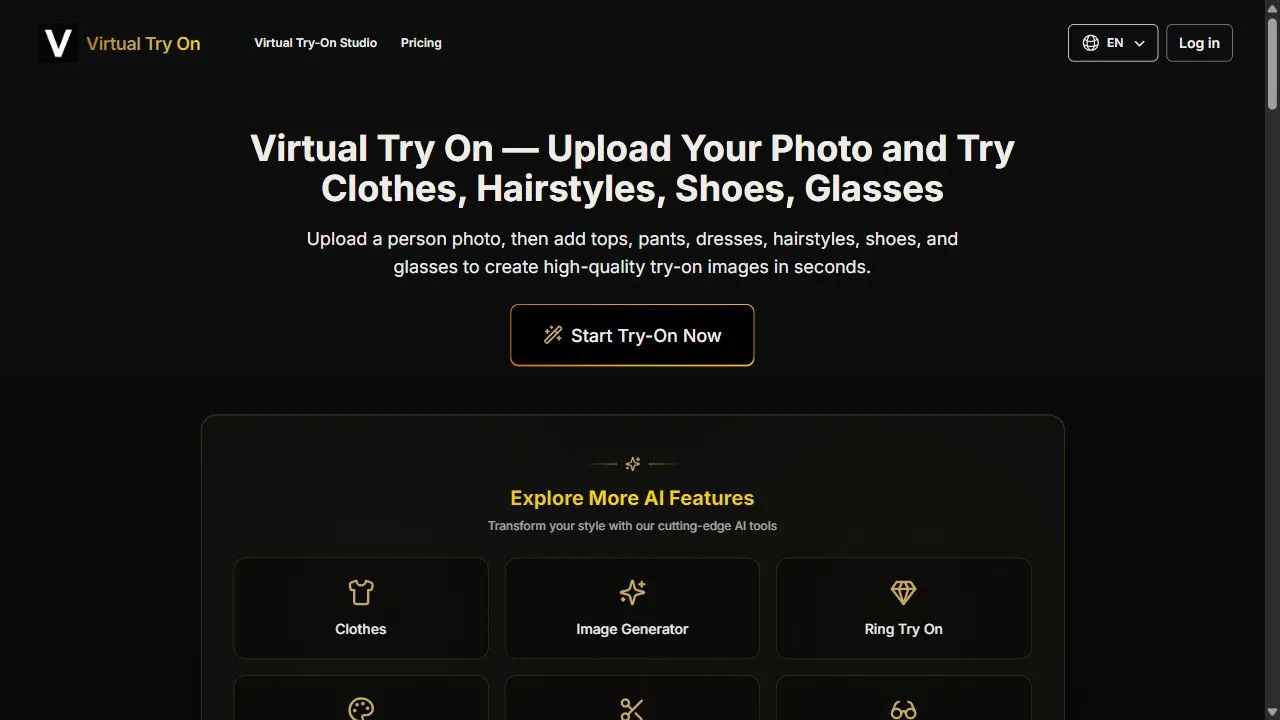
Virtual Try On.art Interface
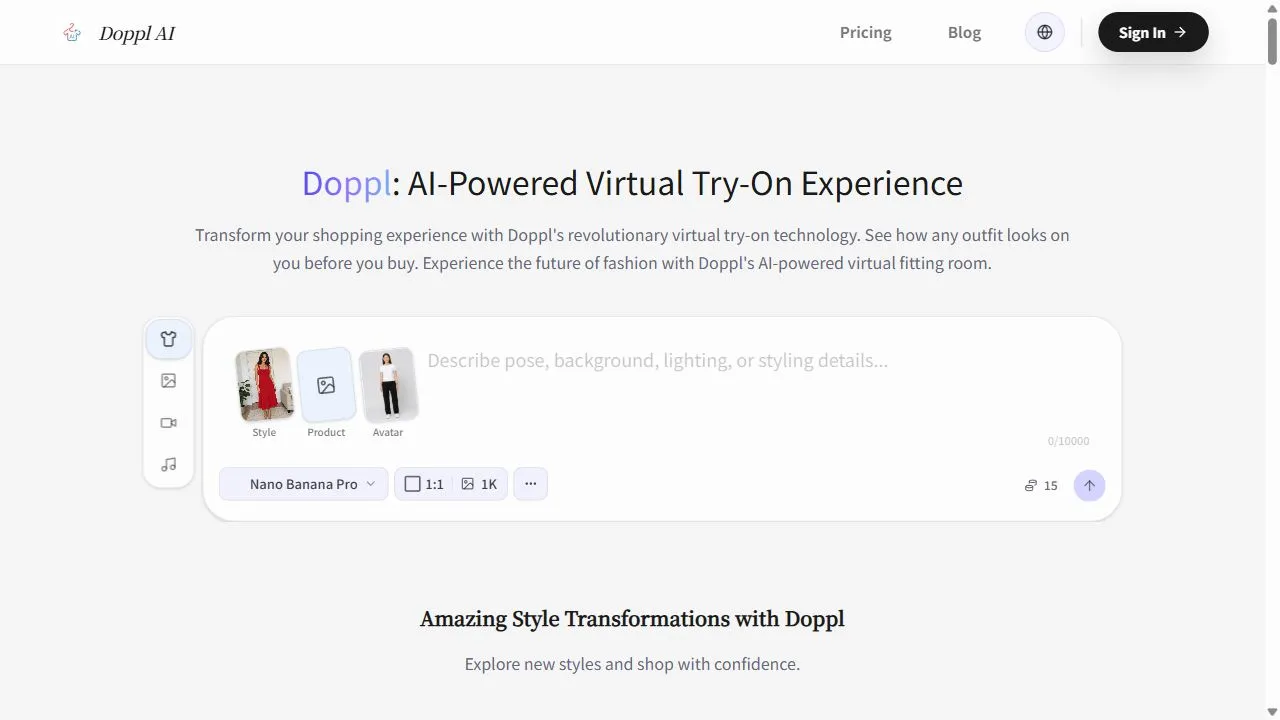
Doppl Interface
Pros & Cons Comparison
Virtual Try On.art Pros & Cons
Strengths
- Fast processing
- Highly realistic
Limitations
- Expensive monthly subscription
- Occasional lighting mismatches
Doppl Pros & Cons
Strengths
- Reduces online shopping return rates
- Improves customer shopping confidence
Limitations
- Requires accurate image uploads for best results
About Virtual Try On.art
Virtual Try On.art is a sophisticated AI-powered virtual fitting room designed to help users visualize how different clothing styles and fashion choices look on their own bodies by leveraging artificial intelligence, computer vision, and advanced image processing . The tool addresses a fundamental problem in the modern e-commerce landscape: the uncertainty of online shopping. Traditionally, consumers have struggled to gauge how a garment will fit or complement their unique physique without physically trying it on, leading to hesitation during the purchase process and a high volume of product returns. By providing a realistic digital representation of an outfit on a user's actual image, Virtual Try On.art removes the guesswork and increases consumer confidence. The platform utilizes deep learning and computer vision to analyze a user's uploaded photograph, mapping clothing items onto the body with high precision. This process involves the AI identifying key anatomical landmarks—such as the shoulders, waist, and hips—to ensure that the digital fabric drapes and conforms to the user's specific body shape. By simulating the way materials interact with human forms, the AI creates a seamless overlay that mimics a real-life fitting experience. This technological approach allows for an instant transformation, enabling users to experiment with various aesthetics, colors, and silhouettes without the logistical hurdles of visiting a physical store. Virtual Try On.art is primarily designed for fashion enthusiasts, digital shoppers, and professional stylists who seek a streamlined method for wardrobe curation. Whether the objective is to test a bold new trend, verify the fit of a professional ensemble, or simply explore new styles, the tool provides a scalable solution for digital fashion exploration. By integrating artificial intelligence into the shopping journey, it bridges the gap between static digital browsing and the tactile, visual confirmation of a physical trial, ultimately making the fashion discovery process more intuitive and efficient. Key Features of Virtual Try On.art AI-driven garment mapping for highly realistic clothing overlays. Advanced computer vision for precise body shape and posture analysis. Instant image processing for real-time fashion visualization. Support for a diverse range of clothing categories and apparel styles. High-fidelity image output to ensure visual clarity and detail. Seamless photo upload interface for user-provided personal images. Intelligent fabric simulation to mimic natural draping and fit. Automated background integration to maintain focus on the garment. Rapid iteration capabilities to swap multiple outfits in seconds. Sophisticated alignment algorithms to match clothing to user proportions. Why People Use Virtual Try On.art The primary motivation for using Virtual Try On.art is the desire to eliminate the risk and inefficiency inherent in traditional online apparel shopping. For years, consumers have relied on generic size charts, static photos of professional models, and subjective customer reviews to estimate how a piece of clothing would look on them. This manual process is frequently inaccurate because models do not represent the diverse range of human body types, often leading to disappointment upon delivery and the tedious process of returning items. By shifting to an AI-powered model, users obtain a personalized visual confirmation, which significantly increases the accuracy of their purchasing decisions and reduces the mental load of shopping. Beyond the practicalities of fit, the tool appeals to individuals who wish to experiment with their personal style without the financial commitment of purchasing multiple items. The ability to virtually swap outfits instantly allows for a level of creative exploration that is physically impossible in a brick-and-mortar store due to time constraints and limited inventory. This scalability of experimentation transforms the shopping experience from a chore into a creative process, allowing users to discover styles they might otherwise have been too intimidated to try. Furthermore, Virtual Try On.art solves the problem of decision fatigue. In an era of infinite e-commerce choices, users are often overwhelmed by the sheer volume of options. The tool acts as a visual filter, allowing users to quickly discard styles that do not suit them and focus on those that do. The simplicity of the workflow—uploading a single photo and selecting a garment—removes the friction usually associated with fashion curation, providing a streamlined path from discovery to a confident purchase. Popular Use Cases Online Shoppers: Visualizing how specific items from various online retailers look on their own body before completing a transaction to reduce the likelihood of returns. Fashion Stylists: Creating digital lookbooks and visualizing outfit combinations for clients by using the client's own image as the base. Personal Style Evolution: Experimenting with new colors, patterns, or silhouettes to redefine a personal aesthetic without spending money on trial-and-error purchases. E-commerce Brand Strategy: Utilizing the technology to help potential customers visualize products, thereby increasing conversion rates and customer satisfaction. Event Planning: Finding the ideal attire for weddings, corporate galas, or formal parties by virtually trying on high-end wear. Content Creation: Generating fashion-forward imagery for social media platforms and fashion blogs without the need for a physical wardrobe change or a professional photoshoot. Capsule Wardrobe Curation: Testing how a small set of versatile pieces can be mixed and matched to create a variety of looks, ensuring maximum utility from every item. Gift Selection: Trying outfits on photos of friends or family members to ensure a gift is aesthetically appropriate before purchasing. Benefits of Virtual Try On.art Reduced Return Rates: Significantly minimizes the frequency of returning clothes due to poor fit or an unexpected aesthetic mismatch. Enhanced Consumer Confidence: Provides users with immediate visual certainty regarding how a garment complements their specific body type and skin tone. Substantial Time Savings: Eliminates the need for physical trips to malls and the time-consuming process of waiting in fitting room queues. Sustainable Consumption: Encourages more intentional purchasing habits, which reduces the environmental impact associated with the shipping and returning of unwanted clothing. Risk-Free Creative Freedom: Allows users to explore unconventional styles and bold fashion trends without any financial risk. Streamlined Decision Making: Accelerates the purchasing cycle by providing instant visual feedback, moving the user from browsing to buying more quickly. Direct Cost Savings: Prevents the expenditure of funds on clothing that does not suit the user, ensuring that every purchase is a valuable addition to the wardrobe. Democratized Access to Styling: Brings a high-end, personalized fitting room experience to any user with a digital device, regardless of their location.
About Doppl
Opening Overview Doppl is a sophisticated AI-powered virtual try-on tool designed to transform the digital apparel shopping experience by allowing users to visualize clothing on their own bodies before finalizing a purchase. By leveraging advanced artificial intelligence, computer vision, and generative imaging , the platform bridges the significant gap between online browsing and the physical reality of trying on clothes in a fitting room. The tool addresses one of the most persistent challenges in the e-commerce industry: the uncertainty regarding fit, drape, and aesthetic compatibility, which often leads to high cart abandonment rates and excessive product returns. The underlying technology utilizes deep learning algorithms to analyze user-uploaded photos and map garments onto the person's unique body shape and posture. This process ensures that the clothing does not simply appear as a static overlay but instead conforms to the contours of the body, simulating how fabric behaves in real-world conditions. This level of precision is essential for consumers who struggle with inconsistent sizing across different brands or those who wish to see how a specific color or pattern complements their skin tone and physique. Designed primarily for online fashion retailers, e-commerce entrepreneurs, and tech-savvy consumers , Doppl provides a scalable solution to enhance the customer journey. By integrating virtual fitting capabilities, brands can shift from a generic shopping experience to a highly personalized service. This integration not only boosts consumer confidence but also optimizes the operational efficiency of the supply chain by reducing the logistical burden and environmental impact associated with frequent returns. Key Features of Doppl AI-Driven Image Synthesis : Generates realistic visualizations of clothing mapped onto user-provided photographs. Dynamic Garment Draping : Simulates how different fabrics fall and fold based on the user's body posture. Personalized Body Mapping : Analyzes individual physical characteristics to ensure the apparel fits the unique silhouette of the user. High-Fidelity Rendering : Produces clear, detailed images that maintain the texture and color accuracy of the original garment. Instant Visual Feedback : Provides near-real-time processing, allowing users to swap between multiple styles and colors rapidly. Cross-Category Compatibility : Supports a wide range of clothing styles, from casual wear to formal attire. Seamless Image Upload Workflow : Enables users to easily provide the necessary visual inputs for an accurate virtual fit. Intuitive User Interface : Offers a streamlined experience that minimizes the technical effort required to perform a virtual try-on. Why People Use Doppl The primary motivation for adopting Doppl is the elimination of the "guessing game" inherent in online fashion shopping. Traditionally, consumers have relied on static size charts and generic model photos, which rarely account for the diversity of human body shapes. This discrepancy often leads to disappointment upon delivery, resulting in a tedious return process for the customer and a financial loss for the retailer. By providing a visual confirmation of how a garment looks on their own body, users experience a significant increase in purchasing confidence. Beyond the consumer perspective, businesses utilize this tool to solve the scalability problem of personalized shopping. In a physical store, a sales associate can suggest styles based on a customer's build; in a digital environment, this is traditionally impossible. Doppl automates this personalization, allowing thousands of simultaneous users to receive a tailored visual experience without the need for human intervention. Furthermore, the tool is used to increase engagement. Static images are passive, whereas a virtual try-on is an interactive experience. This interactivity keeps users on a website longer, increases the time spent interacting with the product catalog, and creates a more memorable brand association. The shift from passive viewing to active participation is a key driver in moving a potential customer from the consideration phase to the conversion phase. Popular Use Cases Direct-to-Consumer (DTC) Fashion Brands : Integrating the tool into their online storefronts to lower return rates and increase average order value. Online Boutique Owners : Providing a high-end, personalized shopping experience that mimics the luxury of an in-person styling session. Clothing Designers and Prototypers : Visualizing how conceptual designs might look on various body types before proceeding to full-scale production. Personal Stylists and Image Consultants : Creating mood boards and visual recommendations for clients by virtually applying clothes to the client's photo. Dropshipping Enterprises : Enhancing the perceived value and reliability of products sourced from third-party suppliers by offering a try-on feature. Sustainable Fashion Labels : Promoting a "buy right the first time" philosophy to reduce the carbon footprint associated with shipping and reverse logistics. Social Media Influencers : Demonstrating how different outfits look on their specific frame to provide more authentic reviews for their audience. Benefits of Doppl Reduced Return Rates : By ensuring a better match between the product and the consumer's expectations, the volume of returned items is significantly decreased. Higher Conversion Rates : Customers are more likely to complete a purchase when they have visual proof that a garment suits their body type. Increased Customer Loyalty : Providing a tool that solves a genuine pain point builds trust and encourages repeat business. Operational Cost Savings : Reducing the logistics, restocking, and processing costs associated with apparel returns improves the bottom line. Enhanced Shopping Confidence : Users feel empowered to experiment with new styles and colors they might have otherwise avoided due to uncertainty. Improved Resource Efficiency : Retailers can better understand which styles are being "tried on" most frequently, providing valuable data for inventory planning. Environmental Sustainability : A decrease in return shipments leads to a direct reduction in packaging waste and transportation emissions. Competitive Differentiation : Implementing AI-driven virtualization sets a brand apart from competitors who rely on traditional, static e-commerce layouts.
More AI Competitors to Compare


Wardrobe AI
Clothing


The Muse Shop
Clothing

Sneaker Design by Imajinn
Clothing

Frequently Asked Questions
Most questions answered in under 30 seconds — but if you still have one, write to us at contactgetaitool@gmail.com and we reply within a few hours.
Which is better in 2026, Virtual Try On.art or Doppl?
How does the pricing compare between Virtual Try On.art and Doppl?
Can I use Virtual Try On.art and Doppl for free?
What input and output formats do Virtual Try On.art and Doppl support?
What are the key advantages of Virtual Try On.art?
What are the key advantages of Doppl?
What are top alternative competitors to Virtual Try On.art and Doppl?
Ready to Choose Your AI Tool?
Try both platforms or explore thousands of other curated artificial intelligence tools on GetAiTools.
Tags & Core Competencies
Specific tags and feature capabilities