Apple's Siri Revamp to Include Auto-Deleting Chats in Privacy Push
Apple is reportedly planning a massive Siri revamp for WWDC 2026 , and the headline feature isn't a flashy AI demo — it's auto-deleting chats . Accord...
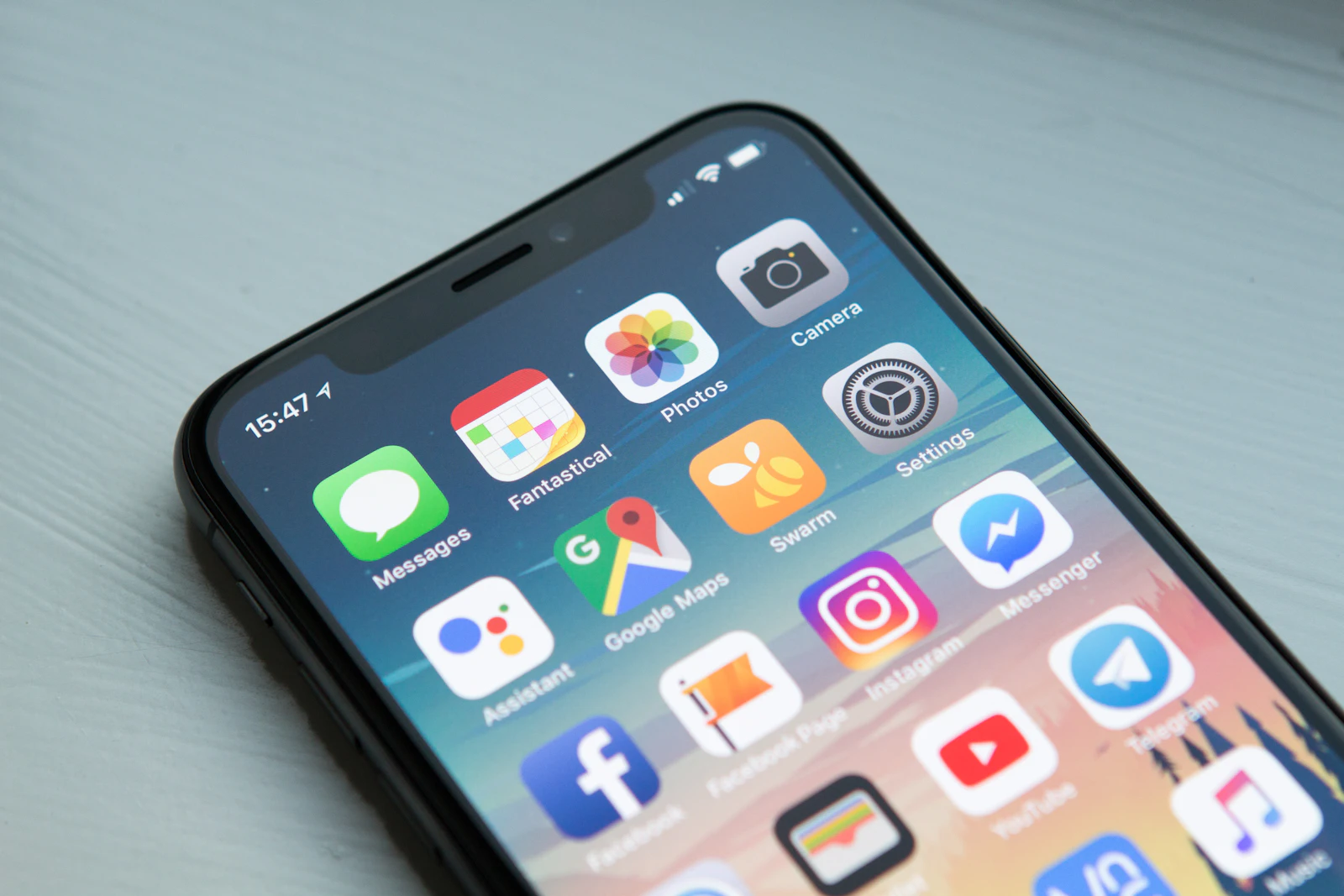
Apple is reportedly planning a massive Siri revamp for WWDC 2026, and the headline feature isn't a flashy AI demo — it's auto-deleting chats. According to Bloomberg’s Mark Gurman, Apple’s new standalone Siri app, powered by Google Gemini, will let users automatically erase conversations after 30 days or a year, framing privacy as its killer differentiator against ChatGPT and other chatbots.
This move is Apple’s attempt to reclaim relevance in the AI arms race while reminding users that not every smart assistant needs to hoard your data forever. For the Indian developer, startup founder, or privacy-conscious consumer, this could redefine how we think about AI chat apps — especially if you’re already deep in the Apple ecosystem.
Background: Why Siri’s Privacy Push Matters
For years, Siri has been the punchline of AI assistants — smart enough to set a timer, dumb enough to misunderstand “call mom.” While OpenAI, Google, and Anthropic raced ahead with large language models, Apple sat on the sidelines, watching Siri’s reputation slip.

Apple’s privacy-first branding has always been a pillar of its ecosystem. From App Tracking Transparency to on-device processing, Apple markets itself as the tech giant that doesn’t sell your data. Now it’s applying that same philosophy to AI chatbots, where most competitors rely on cloud-based models that store and analyze conversation histories.
- Current Siri processes most requests on-device, limiting its capabilities.
- New Siri will reportedly use Google Gemini cloud AI, raising privacy questions.
- Apple’s answer: give users granular control over chat retention — auto-delete after 30 days, 1 year, or never.
The Core News: What Apple Is Actually Building
The new Siri experience, expected to debut at WWDC 2026 on June 8, isn’t just an upgrade — it’s a complete rebrand. For the first time, Apple will launch a standalone Siri app (not just a voice trigger) that offers a full chatbot interface similar to ChatGPT, but with baked-in privacy defaults.
According to Gurman, the key features include:
- Auto-delete chat history: users can set conversations to vanish after 30 days, 1 year, or never — same as iMessage settings.
- Google Gemini integration: Apple is licensing Google’s latest model to handle complex queries, though Apple claims it will minimize data sharing.
- Opt-in cloud processing: users must enable the cloud for advanced features; otherwise, Siri stays on-device.
- No training on your chats: Apple promises it will not use your conversations to train its models — unlike OpenAI and Google.
| Feature | Apple Siri (2026) | ChatGPT (OpenAI) | Google Gemini |
|---|---|---|---|
| Auto-delete chats | Yes (30d/1yr/never) | Manual delete only | Manual delete only |
| Cloud AI model | Google Gemini (opt-in) | GPT-4 (default) | Gemini Ultra (default) |
| Training on user data | No | Yes (opt-out) | Yes (for some) |
| Standalone app | Yes | Yes (web/app) | Yes (web/app) |
| On-device fallback | Yes | No | Partial |
This table shows how Apple is positioning itself as the privacy-safe chatbot — even if it means accepting slightly less capable AI in exchange for data control.
Why This Matters: The Stakes for Privacy and AI Trust
Apple isn’t just adding a feature; it’s picking a fight with the entire chatbot industry. The company is betting that privacy fatigue is real — that users are tired of every AI company saying “trust us” while collecting chat logs.
For Indian users, where data protection laws are still evolving (the Digital Personal Data Protection Act 2023 is in early implementation), Apple’s stance could be a buying driver. Many professionals and creators are already choosing iPhones for “privacy.” Now Siri gives them a reason to stay.
- Competitive pressure: Google and OpenAI will have to respond with similar auto-delete options.
- Regulatory impact: Apple’s approach could become a benchmark for data minimization in AI apps.
- Trust advantage: If users believe Apple won’t mine their conversations, they may share more sensitive info with Siri — improving its usefulness.
However, Gurman also notes that Apple might be overplaying privacy to mask Siri’s shortcomings. The new Siri will still lag behind ChatGPT in reasoning, creativity, and context length. Privacy becomes a convenient shield.
Key Details: Technical Breakdown and User Experience
How Auto-Delete Will Work
Inside the new Siri app, users will find a Settings section similar to Messages. You choose a retention policy:
- 30 days: Chats older than a month vanish automatically.
- 1 year: Conversations are kept for up to a year, then purged.
- Never: Chats persist until you manually delete them.
- Manual override: You can also delete individual chats or the entire history at any time.
Apple will likely sync these settings via iCloud, so your preferences carry across devices. Importantly, cloud-processed chats (via Gemini) will also respect the same delete policy — though the data may temporarily reside on Google’s servers.
Google Gemini Integration: The Trade-Off
Apple is not building its own large language model for this revamp. Instead, it’s licensing Google Gemini for complex tasks like document summarization, creative writing, and code generation. Simpler tasks (weather, timers, device control) will stay on-device using Apple’s own smaller models.
| Task | On-Device Siri | Cloud Gemini Siri |
|---|---|---|
| Set alarm | Yes | Yes |
| Write a poem | No | Yes |
| Explain quantum physics | No | Yes |
| Translate Hindi to English | Limited | Yes |
| Summarize a long email | No | Yes |
This means users who want the full Siri experience will need to opt in to cloud processing, and that’s where Apple’s privacy pitch becomes critical: “We won’t keep your data — Google won’t either, we promise.”
Competitive Landscape: Where Does Apple Fit?
The AI assistant market is crowded. ChatGPT leads in capability, Google Gemini in integration with Android/Search, and Amazon Alexa in smart home. Apple is entering late but with a clear differentiator: privacy as a product feature.
- OpenAI: Focuses on raw intelligence and plugins; privacy is an afterthought.
- Google: Has massive cloud infrastructure but has faced scandals over data use.
- Amazon: Alexa collects voice data for improvement; users can opt out.
- Apple: “We don’t need your data to get smart.”
For Indian developers who build on the Apple ecosystem (iOS apps, Shortcuts, etc.), the new Siri could unlock deeper integrations without compromising user privacy promises.
What This Means for AI-Tool and AI-News Publishers
This story is ripe for content creators. Here are 5 concrete angles for your blog, newsletter, or YouTube channel:
- How to enable auto-delete on the new Siri app – Step-by-step guide for Indian users (with screenshots).
- Privacy vs. intelligence: Can Apple’s Siri keep up? – Compare Siri, ChatGPT, and Gemini on specific tasks relevant to Indian users (e.g., Hindi support, local news).
- Google Gemini in Apple’s hands: What it means for data sovereignty – Analyze the implications for Indian businesses that handle sensitive data.
- Review of the standalone Siri app after WWDC 2026 – First-impressions article once beta is available.
- Why Indian startups should care about Siri’s auto-delete feature – Explore how consumer trust in AI impacts adoption in fintech, healthtech, and edtech.
SEO opportunities include keywords like: “Apple Siri auto-delete chats,” “Siri standalone app WWDC 2026,” “Siri privacy settings,” “Google Gemini Siri India.”
Challenges Ahead: Risks and Limitations
Apple’s strategy isn’t without pitfalls. Here’s what could go wrong:
- Google’s data handling: Even with promises, Google will process some user data. If a leak or misuse occurs, Apple’s reputation suffers.
- Siri’s capability gap: Auto-delete won’t matter if Siri can’t answer basic questions correctly. Users will compare it unfavorably to ChatGPT.
- Regulatory scrutiny: India’s DPDP Act may require data localisation; Apple + Google may need to store Indian user data within India, complicating the architecture.
- Developer confusion: The Siri app may have limited API access initially, frustrating third-party app integration.
- User behavior: Most users never change default settings. If auto-delete is set to “never” by default, the privacy pitch loses teeth.
Apple must execute flawlessly on both privacy and intelligence to win. If it stumbles, “privacy-first” becomes an excuse for “AI-last.”
Final Thoughts
Apple’s Siri revamp is a smart bet on privacy as a competitive advantage in an AI market obsessed with data collection. But the real test will be whether users value their chat privacy enough to accept a less capable assistant. For Indian consumers, who are increasingly aware of data misuse, this could be a deciding factor in upgrading to iOS 20. The auto-delete feature is not just a setting — it’s a statement that AI doesn’t have to be a surveillance tool.
FAQ
Will the new Siri auto-delete my chats by default?
Apple hasn’t confirmed the default, but based on its privacy philosophy, it will likely default to 30 days or prompt users to choose during setup.
Can I keep my Siri chats forever if I want?
Yes. You can set auto-delete to never and manually manage your history, just like iMessage.
Does Siri’s use of Google Gemini mean Google can see my data?
Apple says your data will be de-identified and not used by Google for training, but the data must pass through Google’s servers. Apple promises to enforce strict contractual limits.
When will this feature be available in India?
WWDC 2026 takes place in June. The public beta for iOS 20 will likely arrive in July, with a full release in September 2026. India availability will be simultaneous with the US.
Is this only for iPhones, or will it work on iPads and Macs?
The standalone Siri app will be available on iPhone, iPad, and Mac running iOS 20, iPadOS 20, and macOS 17.
Will this affect Siri on my Apple Watch or HomePod?
Voice-only devices like HomePod may not get the full chatbot app, but they will benefit from improved on-device processing and privacy defaults. Apple is expected to share more details at WWDC.


