Controversy over ???Dhurandhar??? misses the point: It???s dangerous because it makes the battle against terror a partisan issue
A criticism that the film demeans Indian Muslims is difficult to understand because not a single member of this specific community figures in the movie.
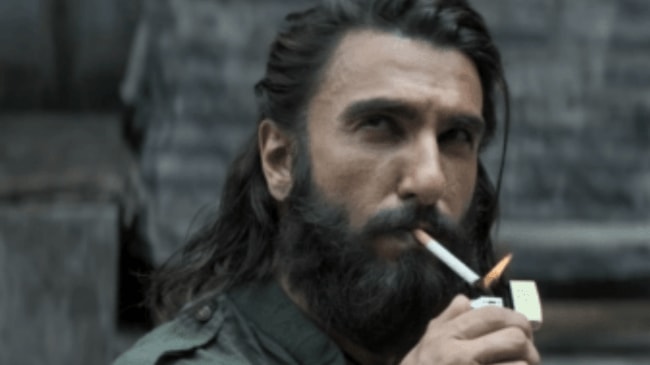
Dhurandhar and the Politics of Cinema: When Controversy Misses the Real Issue
One of the more puzzling controversies in recent times surrounds the Hindi film Dhurandhar.
While critics have focused on alleged minor or imagined flaws, they appear to have overlooked concerns of far greater and longer-term significance.
A Film Rooted in India’s Long Fight Against Terror
Without delving into spoilers, Dhurandhar is widely understood to revolve around Pakistan’s prolonged terror campaign against India and one form of counter-measure adopted in response.
The central premise is straightforward: Pakistani intelligence agencies, particularly the Inter-Services Intelligence (ISI), could not have sustained their operations without the backing of entrenched criminal gangs. To dismantle this ecosystem, an Indian agency deploys an operativeΓÇöplayed by Ranveer SinghΓÇöwho infiltrates these gangs under the assumed identity of a Balochi man named Hamza Ali Mazari.
The film traces his journey into Karachi’s criminal underworld and his attempts to destabilise it from within.
Real Terror Attacks Depicted Without Distortion
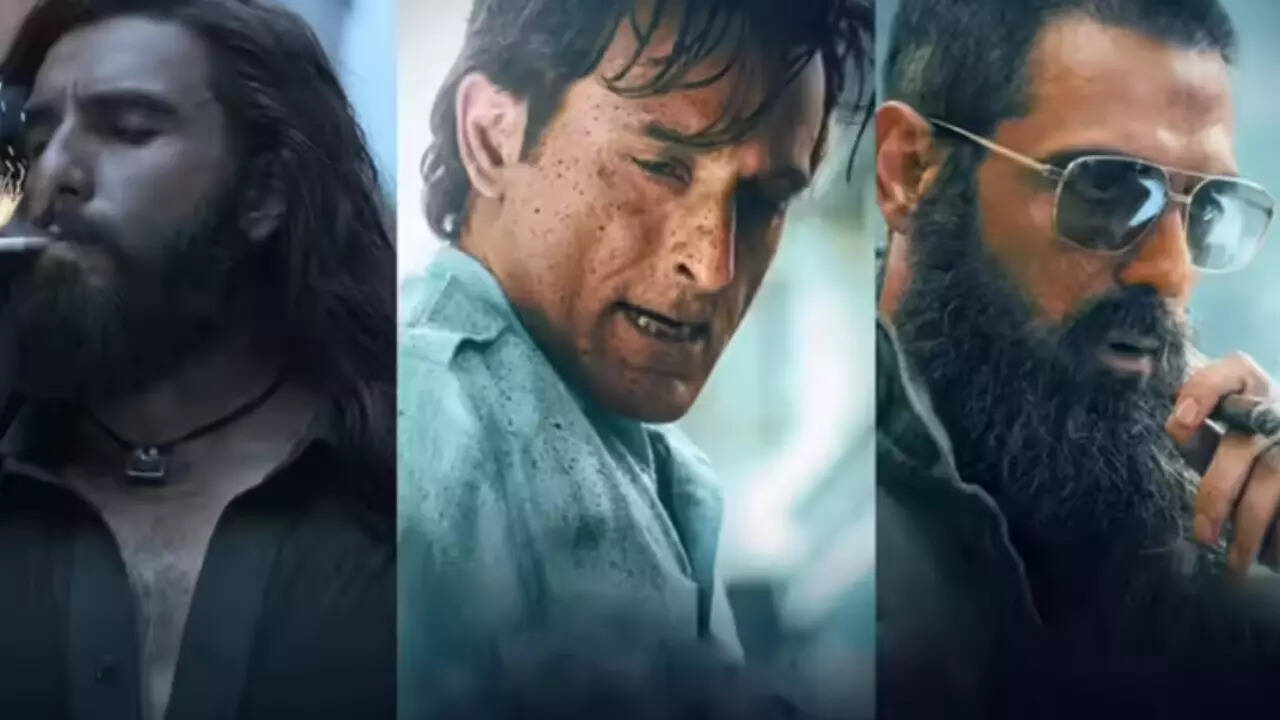
Early in the film, three major terror incidents are portrayed:
- The 1999 hijacking of Indian Airlines flight IA 814
- The 2001 attack on the Indian Parliament
- The 2008 Mumbai terror attacks
These sequences are presented in a documentary style, using archival footage and actual audio recordings, particularly for the Mumbai attacks. By most accounts, these sections adhere closely to established facts and are unlikely to be the source of genuine controversy.
Does the Film Target Indian Muslims?
One of the louder criticisms claims that Dhurandhar demeans Indian Muslims. This accusation, however, does not stand up to scrutiny.
No Indian Muslim character appears in the film. The charactersΓÇöapart from Indian officials who appear briefly for contextual clarityΓÇöare all Pakistani Muslims, primarily from Pakhtoon and Baloch criminal gangs operating in Karachi’s Lyari area. Others include corrupt politicians, police officers, and ISI personnel.
The brutality, lawlessness, and moral decay depicted are specific to criminal gangs and terror networksΓÇönot to a religion or a community as a whole.
Criminality, Not Culture, on Display
The film portrays gang members as heavily armed, ruthless, and deeply immoral. These gangs are shown supplying weapons to Baloch separatists and terror organisations such as Lashkar-e-Taiba. Loyalty is fragile, violence is routine, and ethics are virtually absent.
Importantly, the film does not claim these traits represent Pakistani society at large, let alone Muslims globally. It targets criminal syndicates and terror outfitsΓÇöand even if cinematic exaggeration exists, few would argue that such groups deserve sympathetic treatment.
Pakistan’s Image and the Question of Balance
Another criticism suggests that Dhurandhar presents a one-sided image of Pakistan. This argument carries limited weight.
Firstly, the film does not claim to represent the entire nationΓÇöonly a specific criminal-terror nexus. Secondly, Pakistan’s own state and media outlets have long projected deeply distorted portrayals of India. Calls for balance ring hollow when such imbalance has rarely been reciprocated, despite films like Bajrangi Bhaijaan offering Pakistan a far more humane depiction.
Language, Realism, and Responsibility
Concerns have also been raised about the use of abusive or derogatory language in the film, with critics arguing that such usage normalises hate speech.
This point merits discussion. However, it is worth noting that most offensive language in the film is used by Pakistani Muslims against other Pakistani Muslims, reflecting the reality of criminal environments. Films attempting realism cannot entirely sanitise dialogue without misrepresenting the world they depict.

Political Messaging and Propaganda
Dhurandhar does carry a discernible pro-BJP undertone. Certain scenes imply that pre-2014 governments were ineffective due to corruption, while hinting at a “future government” that would act decisively. References to corruption involving the printing of Indian currency appear to indirectly allude to figures from the UPA era.
Such allegations remain unproven. While political parties are free to leverage popular cinema, presenting contested political claims as unquestionable factΓÇöwhile simultaneously claiming neutralityΓÇöis problematic.
The Larger Danger: Rewriting History
Perhaps the most serious concern is the distortion of India’s counter-terror history. India’s fight against terrorism has been decades long, involving institutions, policies, and intelligence frameworks built by successive governments.
Portraying current leadership as singularly responsible for progress obscures this collective effort. This distortion is not solely the filmmaker’s fault but reflects a broader failureΓÇöacross political linesΓÇöto challenge misleading narratives.
Truth, not myth-making, is what ultimately strengthens a nation.
Frequently Asked Questions (FAQ)
Γ¥ô What is Dhurandhar about?
Dhurandhar is a political thriller focused on India’s counter-terror operations, particularly the infiltration of Pakistani criminal networks that support terror activities against India.
Γ¥ô Does the film portray Indian Muslims negatively?
No. The film does not feature Indian Muslim characters. Its focus is on Pakistani criminal gangs and terror networks, not on any religious community.
Γ¥ô Are real terror incidents shown accurately?
Yes. Events like the IA 814 hijacking, the Parliament attack, and the 26/11 Mumbai attacks are depicted using archival footage and closely follow documented facts.
Γ¥ô Is the film politically biased?
The film contains clear political messaging that aligns with a pro-BJP narrative, particularly in its portrayal of pre-2014 governments.
Γ¥ô Why has the film sparked controversy?
Criticism centres on perceived communal messaging, language use, and political propaganda. However, many argue that these critiques overlook deeper issues such as historical distortion.
Γ¥ô What is the main concern raised by critics?
Beyond surface-level controversies, the most significant issue is the rewriting or oversimplification of India’s long and complex fight against terrorism.
The author of the original critique, Menon, is a journalist who was once based in Pakistan and is the author of "Never Tell Them We Are The Same People: Notes on Pakistan."