Elon Musk???s $56B Tesla pay package restored by Delaware Supreme Court
The Delaware Supreme Court has reinstated Elon Musk???s $56 billion Tesla pay package from 2018, overturning last year???s ruling by the state???s Chancery Court, according to an opinion published Friday.
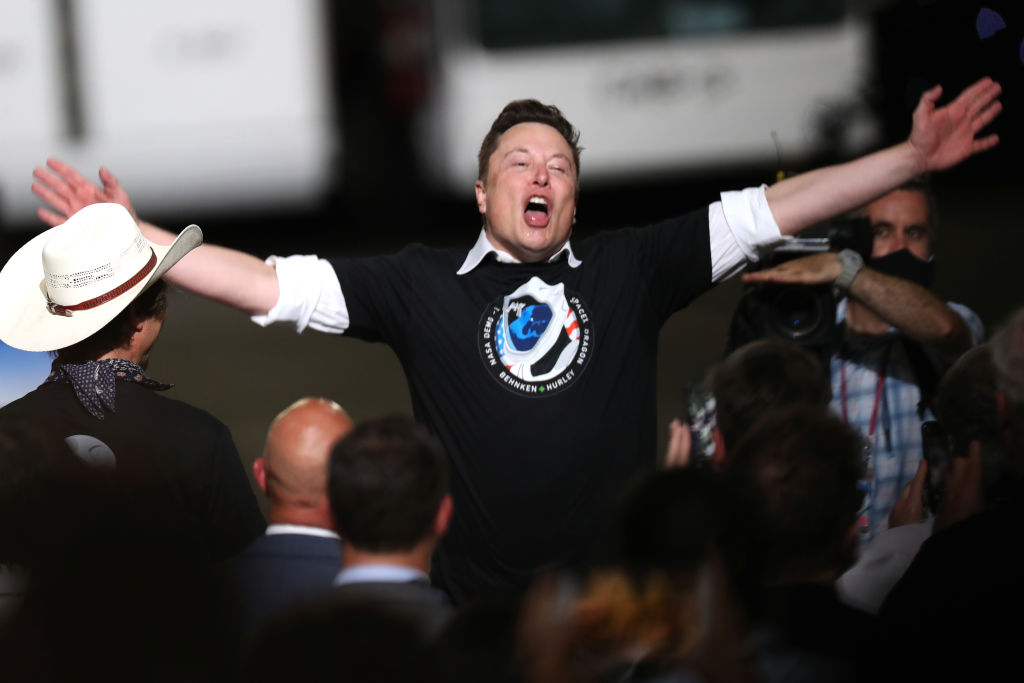
Delaware Supreme Court Reinstates Elon Musk’s $56 Billion Tesla Pay Package
The Delaware Supreme Court has overturned a 2024 ruling by the state’s Chancery Court, reinstating Elon Musk’s controversial 2018 Tesla compensation package originally valued at $56 billion. Adjusted for Tesla’s recent stock highs, the package would now be worth around $140 billion, according to Bloomberg.
Background of the Case
The original pay package was awarded in 2018 and tied Musk’s compensation to milestones and performance targets for Tesla over a six-year period. Musk and Tesla successfully hit all of these targets, but the award was challenged by a shareholder, Richard Tornetta, who argued the package was improperly negotiated and that shareholders were not fully informed of potential conflicts of interest.
Musk and his supporters called the lawsuit absurd, particularly noting that the plaintiff owned only nine shares of Tesla stock.
In January 2024, the Chancery Court struck down the pay package. Tesla held a shareholder vote later that year to re-approve it, but the ruling was confirmed by the same judge in December 2024. Tesla appealed immediately, leading to the Supreme Court decision.
Supreme Court Decision

In a unanimous ruling, the Delaware Supreme Court stated that canceling Musk’s package left him “uncompensated for his time and efforts over a period of six years.”
The reinstatement likely ends the years-long legal battle that also influenced Musk to move Tesla’s incorporation from Delaware to Texas, prompting other companies to consider similar moves.
Elon Musk tweeted on X: “Vindicated. Thank you for your unwavering support.” in response to a shareholder who had supported him publicly.
Implications for Tesla
- Tesla will likely revoke a $29 billion pay package offered to Musk earlier this year, which had been intended as a hedge against a potential loss in the Delaware Supreme Court appeal.
- Musk’s $1 trillion long-term compensation plan from November remains separate and unaffected, contingent on achieving a series of ambitious goals to unlock the full value.
The 2018 pay award remains one of the largest corporate compensation packages ever granted, and the reinstatement marks a significant victory for Musk in a case that has drawn public attention for years.

Timeline Summary
- 2018 ΓÇô Musk awarded $56 billion pay package tied to Tesla milestones.
- 2018 ΓÇô Shareholder lawsuit filed challenging the package.
- January 2024 ΓÇô Chancery Court strikes down the award.
- 2024 ΓÇô Tesla shareholders re-approve the package; Chancery Court confirms the strike down in December.
- 2025 ΓÇô Delaware Supreme Court reinstates the $56 billion award.
The ruling reaffirms the legal protections for milestone-based executive compensation plans in Delaware, and closes a chapter in one of the most high-profile corporate governance battles in recent years.
FAQs:

What did the Delaware Supreme Court decide?
The Delaware Supreme Court restored Elon Musk’s $56 billion Tesla pay package, overturning a lower court ruling that had previously questioned its validity.
Why was Musk’s Tesla pay package challenged?
Shareholders had challenged the package, claiming it was excessive and violated corporate governance standards.
What does the pay package include?
The package is primarily stock-based, tied to Tesla achieving ambitious market capitalization and operational milestones over a decade.
How does the ruling impact Elon Musk?
Musk retains the right to receive the full pay package if Tesla meets the pre-defined targets, potentially making it the largest executive compensation in history.
How does this affect Tesla shareholders?
Shareholders could see dilution from the stock options, but the package is designed to align Musk’s incentives with company performance.
Was this pay package controversial?
Yes. Many viewed the $56 billion figure as unprecedented, sparking debates about executive compensation in tech companies.
What is the significance of the Delaware Supreme Court decision?
Delaware is a major hub for corporate law; this ruling reinforces the enforceability of large, performance-based executive compensation agreements.
Could there be further legal challenges?
While this decision restores the package, future shareholder actions could still arise, though the Supreme Court ruling sets a strong precedent.