Free AI Tools for Landscape Design in 2026
Looking to design your outdoor space without hiring a professional landscape designer? There are **free AI tools** that help you visualize, plan, and generate landscape design ideas just by uploading a photo or entering a description of your ideal yard or garden. These tools are great for homeowners, DIYers, and creative planners alike.

Landscape Design is evolving rapidly as sustainability, technology, and wellness become central to how outdoor spaces are planned. From urban rooftops to residential gardens, modern landscape design is no longer just about beautyΓÇöit’s about function, climate resilience, and lifestyle.

What’s New in Landscape Design?
1. Sustainability Takes Center Stage
Landscape designers are increasingly using native plants, drought-resistant species, and eco-friendly materials. These choices reduce water consumption, lower maintenance costs, and support local biodiversity.
Key highlights:
- Native & pollinator-friendly plants
- Rainwater harvesting systems
- Permeable pavements to reduce runoff
2. Technology Meets Outdoor Design
With the rise of AI-powered landscape planning tools, designers can now visualize outdoor spaces before implementation. Smart irrigation systems and automated lighting are also becoming standard.
Trending tech:
- AI landscape design software
- Smart sprinklers & soil sensors
- Solar-powered outdoor lighting

3. Urban Green Spaces on the Rise
Cities are investing heavily in green rooftops, vertical gardens, and public parks to combat pollution and heat. Landscape design is playing a major role in improving urban mental health and air quality.
Urban focus areas:
- Rooftop gardens
- Vertical green walls
- Community parks & green corridors
4. Wellness-Centered Outdoor Living
Post-pandemic design trends show a shift toward outdoor wellness spaces. Landscapes now include meditation zones, yoga decks, water features, and calming plant palettes.
Popular elements:
- Zen gardens
- Water features for sound therapy
- Outdoor seating for relaxation

Why Landscape Design Matters Today
Landscape design is no longer optionalΓÇöit’s a strategic investment. Well-designed landscapes:
- Increase property value
- Improve environmental sustainability
- Enhance physical & mental well-being
Have you ever dreamed of a knockout yard? You’re not alone. Forget pricey designers and endless planning. Today, free AI landscape design tools make it easy for anyone to design a stunning outdoor space.
According to estimates, the global landscape design market is expected to exceed $300 billion by 2026, and artificial intelligence is transforming the industry. Experts predict massive adoption of AI-powered apps because they’re faster, smarter, and easier to use than ever before.
Imagine snapping a photo of your yard and instantly seeing dozens of creative ideasΓÇölush gardens, modern patios, or peaceful ponds. That’s the power of AI landscape design from photos.
In this article, we’ll explore what free AI landscape design tools are, how they work, their use cases, and the top free AI landscape design tools online in 2026.
What Are Free AI Landscape Design Tools?

Free AI landscape design tools act as digital garden assistants available on your phone or computer. These platforms use artificial intelligence, computer vision, and machine learning to help users visualize, plan, and redesign outdoor spaces such as gardens, lawns, patios, and backyards.
Common Features
- Photo-based landscape visualization
- AI-generated design inspiration for plants, patios, and walkways
- 2D and 3D design views
- Libraries of plants, trees, furniture, and decor
- One-click style switching such as modern, rustic, or cottage gardens
How They Work
Users upload a photo, draw a simple sketch, or describe their ideas in text. The AI analyzes the input and generates personalized landscape design concepts. These tools continuously improve as AI models evolve.
Uses of Free Online AI Landscape Design Tools
AI landscape design tools are useful across many industries and personal projects.
Who Can Use Them?
- Homeowners planning DIY landscaping projects
- Gardeners visualizing seasonal planting layouts
- Renters exploring movable or temporary garden ideas
- Real estate professionals improving curb appeal
- Beginner landscape designers creating early concepts
Key Benefits
- No-cost design ideas without hiring professionals
- Multiple concepts generated in minutes
- Exposure to new styles and layouts
- Better planning before investing time and money
- Easy-to-use interfaces for beginners
Top 15 Free AI Landscape Design Tools Online (2026)
1. a1.art
AI-powered visual landscape generator from text or sketches.
Pros: Highly creative, multiple artistic styles
Cons: Focuses on visuals rather than technical layouts
2. DreamzAR App
Augmented reality tool that places virtual plants and structures in real yards.
Pros: Real-time visualization
Cons: Limited features in the free version, iOS-focused
3. Yard Vision AI
Photo-based tool that generates multiple landscaping styles.
Pros: Quick inspiration
Cons: Lacks detailed planning tools
4. AI Garden Planner.
AI-based plant recommendations based on climate and sunlight.
Pros: Plant-health-focused planning
Cons: Basic visuals in free versions
5. SketchUp Free
Popular 3D design platform with AI extensions.
Pros: Accurate layouts and large asset library
Cons: Steeper learning curve
6. Planner 5D
AI-assisted indoor and outdoor design tool.
Pros: Easy 2D and 3D visualization
Cons: Limited free assets
7. HomeByMe
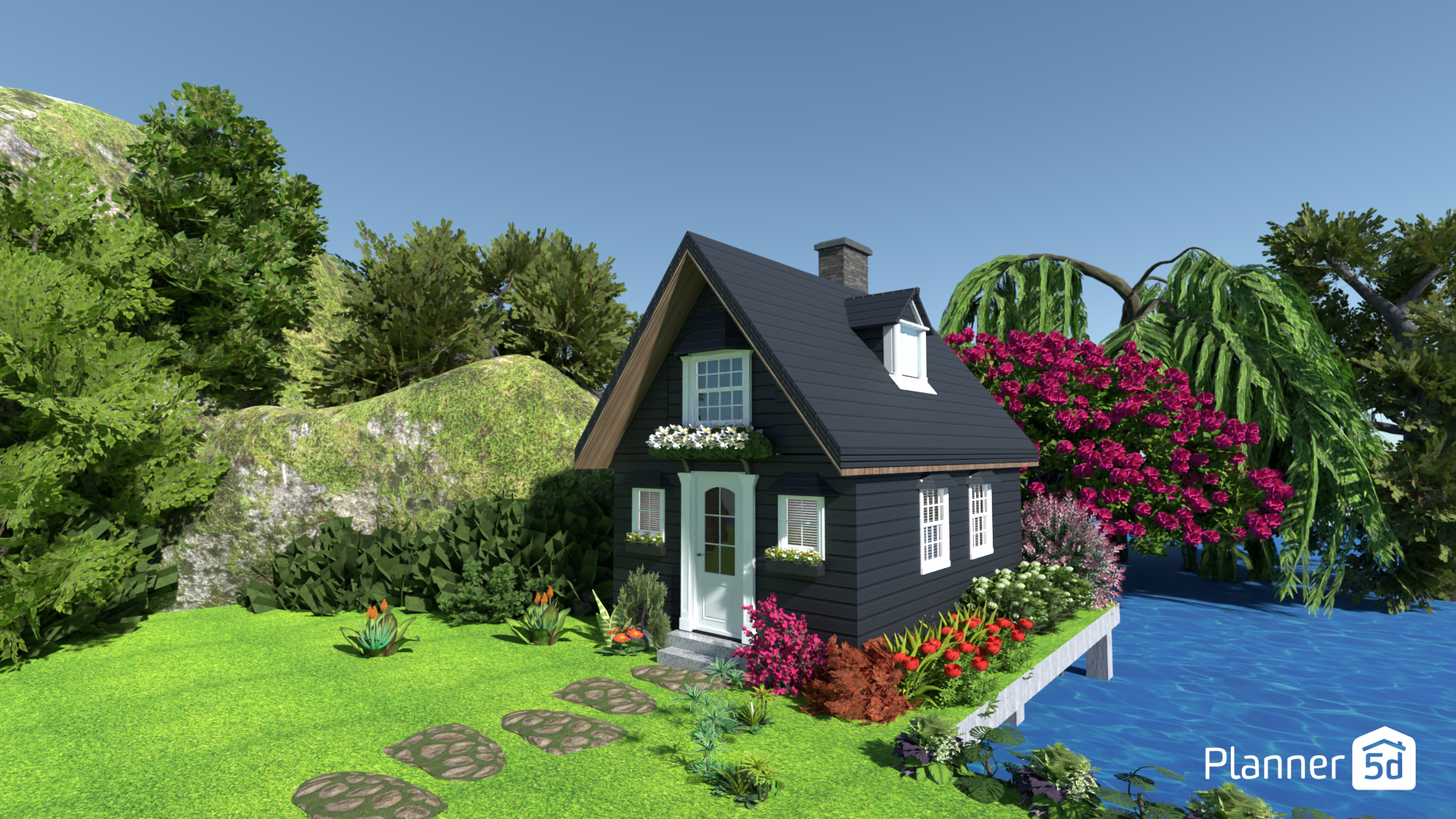
Home and garden design visualization platform.
Pros: Realistic renders
Cons: Landscaping tools are limited
8. Gardena MyGarden Planner
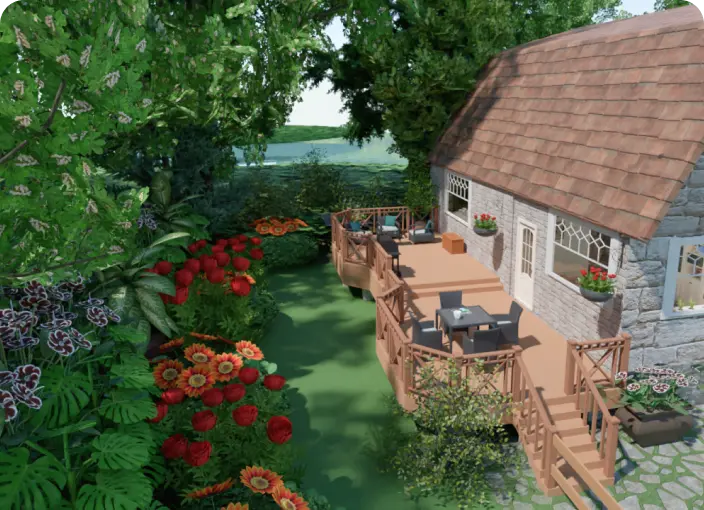
Drag-and-drop garden layout planner with irrigation support.
Pros: Free and simple
Cons: Minimal AI features
9. iScape App
Photo and AR-based landscaping app.
Pros: Realistic outdoor previews
Cons: Locked features in the free plan
10. Terrastruct
Concept-based visual planning tool.
Pros: Useful for zoning and layout flow
Cons: Not landscape-specific
11. Midjourney / Stable Diffusion
Advanced AI image generators using text prompts.
Pros: Highly creative results
Cons: Requires prompt-writing skills
12. Canva

Simple AI-powered visual design and mood board tool.
Pros: Very beginner-friendly
Cons: No 3D or AR features
13. Reimagine Home AI
Photo-based landscape style transformation tool.
Pros: Fast and easy to use
Cons: Limited customization options
14. Microsoft Designer
AI image generator powered by DALL┬╖E technology.
Pros: Free with Microsoft account
Cons: Requires precise prompts
15. Lands Design
Professional landscape design software with AI-assisted tools.
Pros: Highly detailed and accurate plans
Cons: Complex interface and limited free access
Frequently Asked Questions (FAQ)
Are AI landscape design tools really free?
Most tools offer free versions with limited features, credits, or exports. Some also provide time-limited free trials.
Can I design my yard using just a photo?
Yes. Many AI landscape design tools analyze a single photo and generate multiple design ideas instantly.
Do AI landscape tools replace professional landscape designers?
They are ideal for inspiration and early planning but do not fully replace professional expertise for execution and construction.
Which AI landscape tool is best for beginners?
Beginner-friendly options include a1.art, Canva, Reimagine Home AI, and Planner 5D.
Can AI tools recommend plants for my local climate?
Yes. Many AI garden planners consider climate, soil type, and sunlight exposure.
Are AI-generated landscape designs accurate?
They are visually accurate for planning and inspiration, but measurements and real-world feasibility should be verified before implementation.