Nvidia doubles down on open-source AI with new Nemotron 3 models
Nvidia appears to be taking a more transparent approach to developing AI models as compared to its US rivals, which also happen to be among its largest customers.
Nvidia Launches Nemotron 3: A Powerful New Family of Open-Source AI Models
In a move to strengthen its open-source AI ecosystem, Nvidia has unveiled Nemotron 3, its most efficient family of open AI models to date. Designed to help developers build and deploy accurate AI agents, Nemotron 3 marks a significant step in Nvidia’s evolution from a chip supplier to a full-fledged AI model provider.
What Is Nemotron 3?
Nemotron 3 is Nvidia’s latest open AI model family, optimized for agentic workflows and large-scale deployment. According to the company, these models are engineered to deliver high accuracy, strong inference performance, and transparent training processes.
Nvidia has positioned Nemotron 3 as an open platform for innovation, enabling developers to build sophisticated AI agents with greater control and flexibility.
Nemotron 3 Model Variants

Nemotron 3 is available in three distinct sizes, each designed for different levels of complexity:
-
Nano (30B parameters):
Built for targeted and lightweight AI tasks where efficiency is critical. -
Super (100B parameters):
Designed for multi-agent AI applications that require stronger reasoning and coordination. -
Ultra (500B parameters):
Tailored for highly complex workloads and advanced AI reasoning at scale.
The number of parameters in an AI model generally reflects its size and capability, with larger models handling more complex tasks.
Performance and Benchmark Highlights
Based on benchmark scores shared by Nvidia:
- Nemotron 3 Nano outperforms Alibaba’s similarly sized Qwen model in accuracy.
- It also delivers higher inference throughput compared to OpenAI’s GPT-OSS-20B.
One of the most notable aspects of Nemotron 3 is Nvidia’s decision to publicly release training datasets, model weights, training recipes, and frameworksΓÇöa rare level of transparency among major AI players.
Nvidia’s Strategic Shift Toward AI Models
Nvidia has built a trillion-dollar business by supplying GPUs to companies developing AI models. With Nemotron 3, however, the company is signaling a deeper commitment to becoming an AI model creator itself.
This shift comes at a critical moment, as major customers such as OpenAI, Google, Meta, and Anthropic explore building their own custom chips to reduce long-term dependence on Nvidia’s hardware.
Nvidia’s Commitment to Open Innovation
Nvidia CEO Jensen Huang emphasized the company’s open-source philosophy, stating:
“Open innovation is the foundation of AI progress. With Nemotron, we’re transforming advanced AI into an open platform that gives developers the transparency and efficiency they need to build agentic systems at scale.”
By releasing training data publicly, Nvidia enables developers to adapt and modify Nemotron models more easily. Kari Ann Briski, Vice President of Generative AI Software for Enterprise at Nvidia, reinforced this vision, noting that open source is key to accelerating global AI innovation.
Expanding the Open-Source Ecosystem
Earlier this week, Nvidia also announced the acquisition of SchedMD, the company behind Slurm, a widely used open-source workload management system for high-performance computing and AI.
Nvidia confirmed that Slurm will remain open-source and vendor-neutral, reinforcing its broader commitment to the open ecosystem.
Tools for Building Autonomous AI Agents
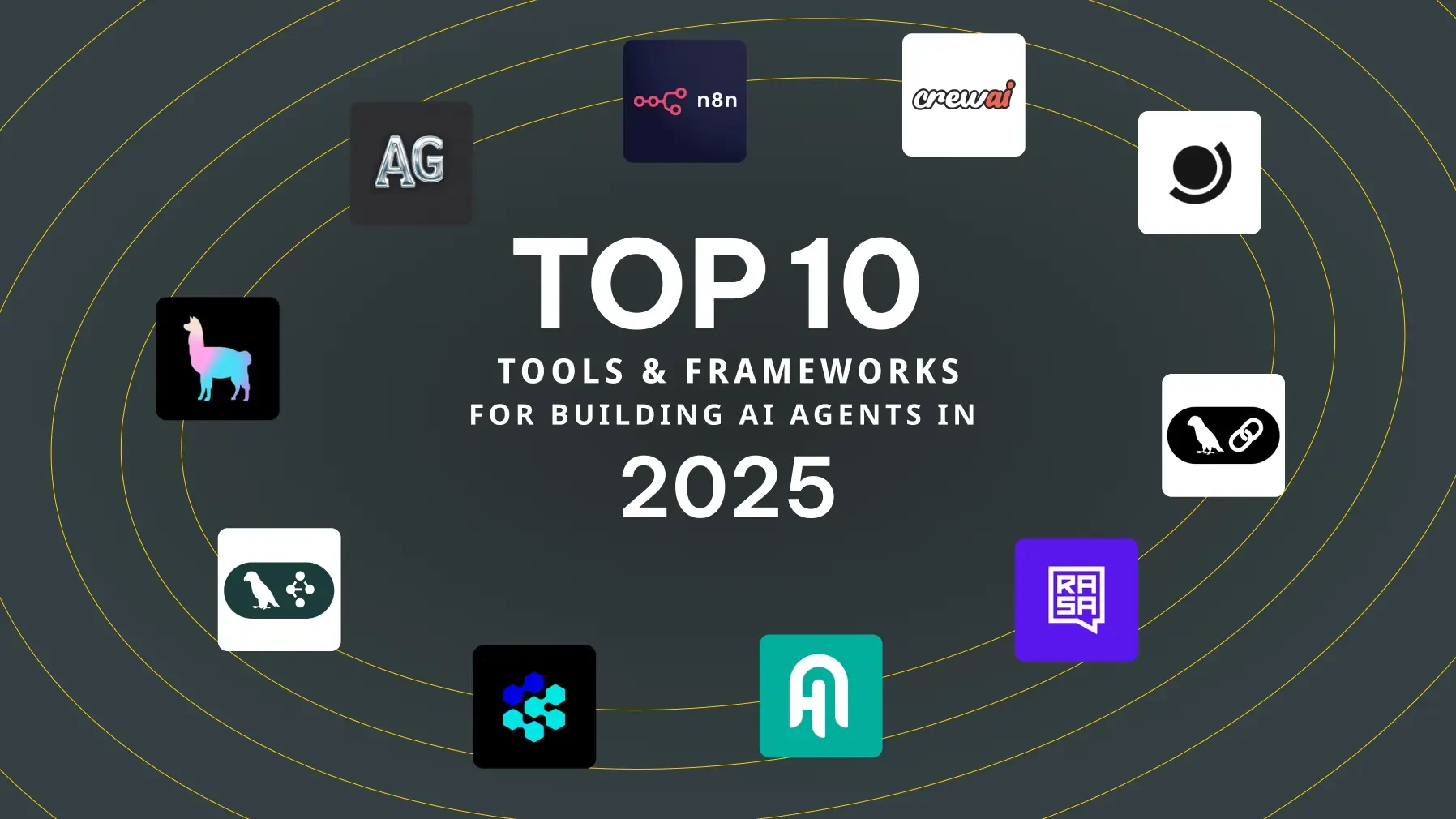
Alongside Nemotron 3, Nvidia introduced new tools and libraries to help developers:
- Customize and fine-tune AI models
- Train autonomous AI agents
- Apply reinforcement learning techniques for task execution
These additions aim to simplify the creation of scalable, self-directed AI systems across industries.
Final Thoughts
With Nemotron 3, Nvidia is making a bold statement in the AI landscape. By combining powerful models, open-source transparency, and developer-focused tools, the company is positioning itself not just as the backbone of AI hardwareΓÇöbut as a key force in shaping the future of AI software and agentic systems.
FAQs: Nvidia Nemotron 3 Open-Source AI Models
What is Nvidia Nemotron 3?
Nvidia Nemotron 3 is a new family of open-source AI models designed to build advanced AI agents, reasoning systems, and enterprise-level AI applications.
Why did Nvidia release Nemotron 3 as open-source?
Nvidia released Nemotron 3 as open-source to promote transparency, accelerate AI innovation, and enable developers to freely customize and deploy AI models.
What models are included in the Nemotron 3 lineup?
The Nemotron 3 lineup includes Nano, Super, and Ultra models, each optimized for different performance levels and AI workloads.
Who can use Nvidia Nemotron 3 models?
AI developers, startups, enterprises, researchers, and open-source contributors can use Nemotron 3 models for both commercial and research purposes.
What makes Nemotron 3 different from other AI models?
Nemotron 3 uses a hybrid Mixture-of-Experts (MoE) architecture that delivers high efficiency, long-context reasoning, and lower inference costs.
Is Nvidia Nemotron 3 free to use?
Yes, Nvidia Nemotron 3 models are free to use under Nvidia’s open-model license, including access to model weights and development tools.
When are Nemotron 3 Super and Ultra models available?
Nemotron 3 Nano is available now, while the Super and Ultra models are expected to launch in 2026.
Why is Nemotron 3 important for open-source AI?
Nemotron 3 strengthens the open-source AI ecosystem by offering powerful, scalable, and enterprise-ready AI models accessible to everyone.
Mentioned in this article
Tools

Promptchan
Promptchan is an AI-powered virtual companion designed to provide users with a personalized and i

Promptchan is an AI-powered virtual companion designed to provide users with a personalized and interactive chat experience. It addresses the need for accessible companionship and emotional support through advanced natural language processing and character AI technology. This tool is intended for

CraveU AI
CraveU AI is an innovative AI companion platform designed to provide users with a personalized an

CraveU AI is an innovative AI companion platform designed to provide users with a personalized and engaging virtual relationship experience. It addresses the growing need for companionship, emotional support, and interactive entertainment through advanced artificial intelligence. CraveU AI utiliz
Nano Banana Pro / Gemini 3 Pro Image Generation
Nano Banana Pro / Gemini 3 Pro Image Generation is an advanced AI image generator that transforms
Nano Banana Pro / Gemini 3 Pro Image Generation is an advanced AI image generator that transforms text prompts into high-quality, photorealistic images. It addresses the challenge of creating visuals for various applications without the need for extensive design skills or resources. Utilizing the