Nvidia Invests $1.5B in SB Energy, Backing OpenAI's Ohio Data Center
Nvidia is pouring $1.5 billion into SB Energy , the SoftBank-linked data center developer behind OpenAI's Ports-Pike megacampus near Cincinnati,...

Nvidia is pouring $1.5 billion into SB Energy, the SoftBank-linked data center developer behind OpenAI's Ports-Pike megacampus near Cincinnati, Ohio. The deal, reported by TechCrunch, makes Nvidia the sole supplier of compute infrastructure for a facility that could balloon from 4.25 gigawatts to 8 gigawatts, backed by up to $105 billion in credit. The AI infrastructure war just moved from chips to power plants.
What Is SB Energy and Why Does It Matter?
SB Energy isn't a typical cloud provider or a chipmaker. It's a data center and power developer that builds the physical backbone of AI: land, electricity, and the enormous buildings that house tens of thousands of GPUs. Its existing investors include SoftBank and OpenAI itself, making it a rare example of a chipmaker, a telco giant, and an AI lab all betting on the same infrastructure company.
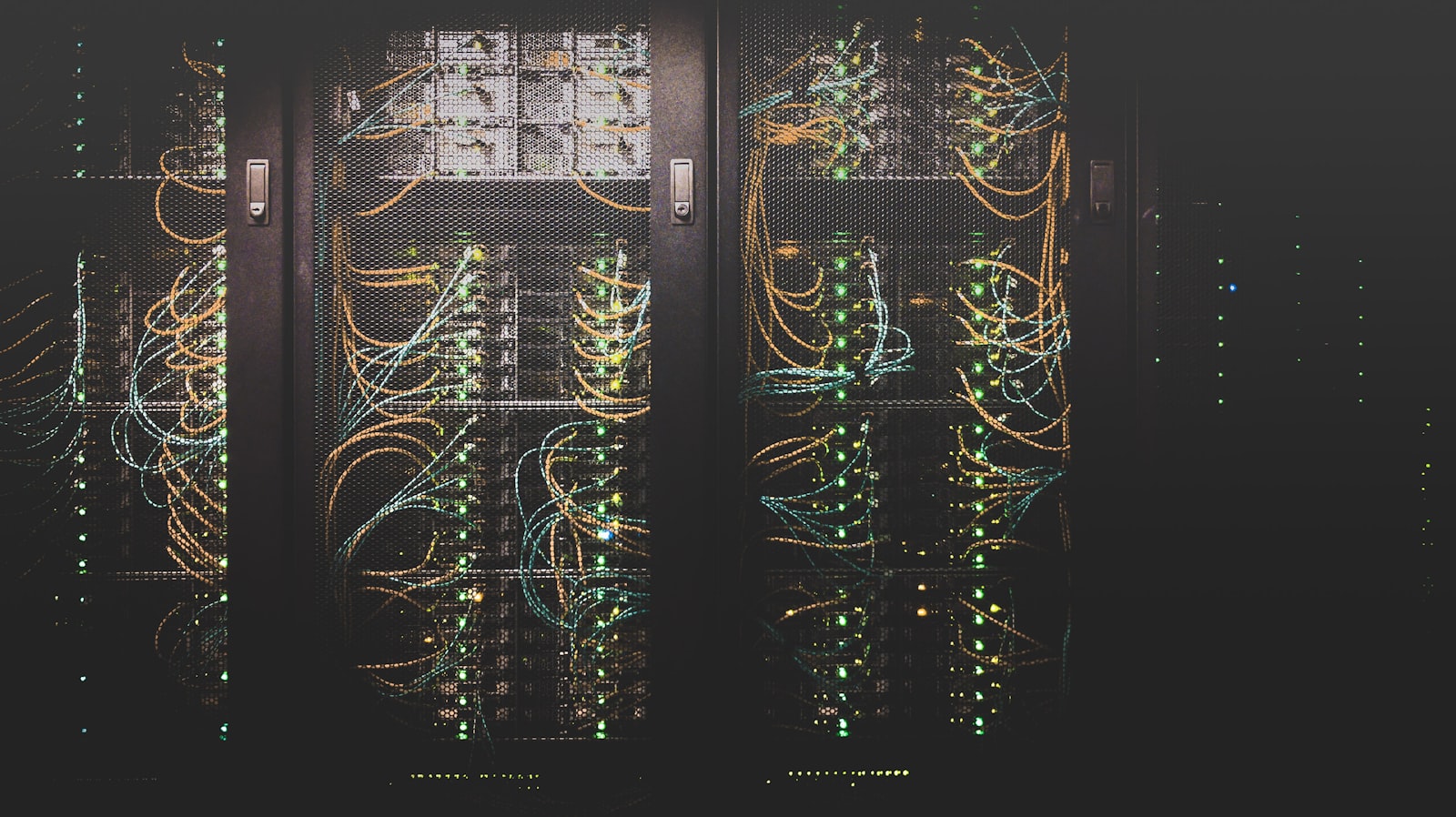
The context here is brutal market math. AI training runs are scaling faster than the grid can supply electricity, and hyperscalers are fighting over gigawatts, not megawatts. For anyone building or writing about AI tools, this deal signals that the real bottleneck in 2026 isn't model quality; it's where the power comes from and who controls the compute.
- SB Energy is backed by SoftBank, which previously held $5.8 billion worth of Nvidia stock.
- SoftBank sold that stake in November to fund other AI investments.
- The Ports-Pike site sits on land owned by the U.S. Department of Energy.
The Core News: A $1.5 Billion Infrastructure Play
The headline number is $1.5 billion in equity, but the real story is the structure around it. Nvidia will also provide up to $105 billion in credit to help build the facility. That's not a sponsorship deal; it's a full-stack financial commitment that ties Nvidia's silicon directly to SB Energy's construction pipeline.
| Deal Component | Detail |
|---|---|
| Equity investment | $1.5 billion in SB Energy |
| Compute exclusivity | Nvidia as sole supplier at Ports-Pike |
| Credit facility | Up to $105 billion |
| Initial capacity | 4.25 GW, scalable to 8 GW |
| Power plant | 9.2 GW natural gas facility |
| Power plant cost | Approximately $33 billion |
The power plant is the most striking detail. It's a 9.2 gigawatt natural gas facility expected to cost $33 billion, reflecting a 66% rise in natural gas power plant construction costs over the last two years, according to BloombergNEF. That's not inflation; that's a demand shock driven by AI's insatiable appetite for electricity.
How the deal works
- Nvidia invests $1.5 billion directly into SB Energy.
- SB Energy builds the data center campus and the gas plant on DOE-owned land.
- Nvidia supplies all compute infrastructure, locking out rivals like AMD and Google's TPUs.
- OpenAI gets guaranteed compute capacity to train and run its models.
- SoftBank's position is strengthened as an AI infrastructure power broker without holding Nvidia stock directly.
Why This Matters: AI's New Bottleneck Is Power
For years, the AI industry obsessed over GPU supply. Nvidia's H100 and B200 chips were the hottest commodities in tech. But this deal confirms what infrastructure analysts have been saying: electricity and site development are now the critical path.

The stakes are enormous. Ports-Pike could scale to 8 gigawatts, which is roughly the output of eight large nuclear reactors. That's enough to power around 6 million American homes. The fact that one AI campus could consume that much electricity tells you everything about the scale of the current buildout.
- Nvidia locks in demand for generations of future chips, not just current ones.
- OpenAI secures compute at a time when training runs are hitting physical limits.
- SoftBank de-risks its AI portfolio by partnering with the dominant chip supplier.
- Gas markets get squeezed as data centers compete with LNG export terminals.
The "so what" here is simple: AI compute costs are about to be driven as much by natural gas prices and construction timelines as by chip design. For startups building on OpenAI's API, that means pricing pressure downstream. If power costs triple, model prices will follow.
Key Details: Inside the Ports-Pike Megacampus
The site's nuclear history
The land near Cincinnati previously enriched uranium for the U.S. nuclear arsenal and Navy submarines. That history matters: the site has massive existing electrical transmission infrastructure and a workforce accustomed to sensitive, high-security operations. Reusing DOE land also bypasses years of permitting battles that have stalled data centers in states like Texas and Virginia.
Capacity scaling
The campus starts at 4.25 GW, which alone would make it one of the largest data center projects in the world. The plan to scale to 8 GW means SB Energy is designing for incremental buildout, likely in phases tied to Nvidia's next-generation chip release cycles.
The gas price collision
Here's the alarming part for the broader economy. By the time SB Energy's plant and others are completed, they'll be competing with LNG export terminals for the same natural gas. BloombergNEF's analysis suggests this confluence could triple natural gas prices in some parts of the country. That's not just an AI problem; that's a consumer energy bill problem in the United States.
Competitive Landscape: Who Else Is Playing This Game?
Nvidia isn't the only company trying to control the full AI infrastructure stack, but it's the only one doing it via credit facilities and equity stakes in power developers.
| Player | Their Move | Strategic Goal |
|---|---|---|
| Nvidia | Invests in SB Energy, offers $105B credit | Lock in GPU demand for a decade |
| Microsoft | Azure + OpenAI partnership, own data center buildout | Control the cloud layer and enterprise AI |
| TPU chips + renewable energy contracts | Reduce dependence on Nvidia and gas | |
| Amazon | Trainium/Inferentia chips + nuclear power deals | Vertical integration across AWS |
| Groq | $350M raise, pivot to neocloud model | Prove alternative inference hardware at scale |
Microsoft remains OpenAI's historically largest cloud partner, but this deal signals OpenAI is diversifying its compute base. The Ports-Pike campus effectively gives OpenAI a dedicated, Nvidia-powered infrastructure that doesn't route through Azure. That's a meaningful shift in the balance of power.
Meanwhile, Groq's $350 million raise and pivot to a "neocloud" model shows the market is moving toward purpose-built AI clouds. Nvidia's move into data center development could pressure every neocloud and hyperscaler to rethink their own infrastructure strategies.
What This Means for AI-Tool and AI-News Publishers
This story isn't just a finance headline; it's a goldmine of content angles for AI newsletters, tool review sites, and SEO-focused tech blogs. Here are five concrete ways to cover it:
- The "AI power crisis" explainer: Write a piece on how electricity costs will impact AI tool pricing. Your audience of startup founders and marketers pays for OpenAI APIs, so connect gas prices to their monthly bills.
- Nvidia's moat analysis: Break down why Nvidia's software (CUDA) plus its financial engineering creates a moat that AMD and Groq can't easily cross. Target keywords like "Nvidia data center strategy" or "Nvidia vs AMD infrastructure."
- OpenAI's supply chain diversification: Publish a timeline of OpenAI's compute deals, from Microsoft Azure to Oracle to Ports-Pike. This is a strong "state of play" post for AI enthusiasts.
- Who is SB Energy? A company profile piece. Most people have never heard of this developer, and profiling SoftBank's infrastructure bets is a great way to capture search traffic from people asking "who builds AI data centers?"
- The LNG and AI crossover: Connect this deal to global energy markets. You can argue that "AI is now an energy commodity play." That's a provocative, highly shareable thesis for LinkedIn and X.
Each angle gives you multiple content assets: a news post, a deep dive, a keyword-driven explainer, and a short-form social take.
Challenges Ahead: Risks and Limitations
Let's not pretend this is a slam dunk. There are serious risks baked into this deal.
- Gas price volatility: If natural gas triples, the economics of Ports-Pike could shift dramatically. Nvidia's $105 billion credit exposure is enormous, even for a company with a $4 trillion market cap.
- Environmental backlash: Building a 9.2 GW natural gas plant on DOE land will draw heavy criticism from environmental groups, especially given the site's nuclear weapons history.
- Construction delays: Large-scale power plants and data centers routinely miss deadlines by 12 to 24 months. Any delay hits Nvidia's revenue projections and OpenAI's training schedules.
- Chip dependency risk: If Nvidia's next-gen platform slips, the entire facility's ramp could stall. SB Energy is betting its business model on one supplier.
- The "sole supplier" problem: OpenAI is now financially and operationally tied to Nvidia at this site. That's a leveraged position that could create friction if pricing disputes arise.
- Regulatory scrutiny: A deal this size will attract antitrust attention, particularly around exclusive supplier agreements in critical AI infrastructure.
Final Thoughts
Nvidia's $1.5 billion investment in SB Energy is a declaration that the AI industry's future is now defined by energy infrastructure and financial engineering, not just silicon. The era of "shipping GPUs and hoping for the best" is over. For the next decade, the winners in AI will be the players who control the land, the power, and the compute as one integrated machine. This is that strategy on paper, in public, for the first time.
FAQ
Why is Nvidia investing in a data center company instead of just selling chips?
Because the biggest risk to Nvidia's future isn't competition; it's capacity. If OpenAI and other labs can't build data centers fast enough to deploy Nvidia's chips, demand disappears. Investing in builders like SB Energy protects Nvidia's sales pipeline.
What exactly is the Ports-Pike data center?
It's a massive AI computing campus near Cincinnati, Ohio, built on former U.S. Department of Energy land. It will start at 4.25 gigawatts of capacity and could expand to 8 gigawatts, making it one of the largest AI data centers in the world.
How does the $105 billion in credit work?
Nvidia is providing credit facilities to SB Energy to fund construction. This isn't a direct cash grant; it's financial backing that lets SB Energy borrow against Nvidia's balance sheet, with Nvidia earning returns while securing compute exclusivity.
Who actually owns SB Energy?
Existing investors include SoftBank and OpenAI. With Nvidia's new $1.5 billion investment, it becomes a three-way strategic partnership where each player brings something essential: SoftBank's capital, OpenAI's demand, and Nvidia's hardware.
What are the biggest risks to this deal?
The main risks are natural gas price spikes, construction delays, environmental opposition, and the massive concentration risk of relying on Nvidia as the sole compute supplier. Any disruption to chip supply or power prices could derail the project's economics.
Will this affect AI pricing for regular developers?
Very likely, yes. If power costs triple, OpenAI and other model providers will face higher infrastructure expenses, which historically get passed down to API users and enterprise customers. Expect pricing pressure at the model layer within the next 12 to 24 months.

