People Prefer Amazon Warehouses Over Data Centers — Here’s the Surprising Reason
As demand for AI and cloud computing explodes, tech companies are rapidly building data centers across the world. But instead of welcoming them, local residents are increasingly pushing back.

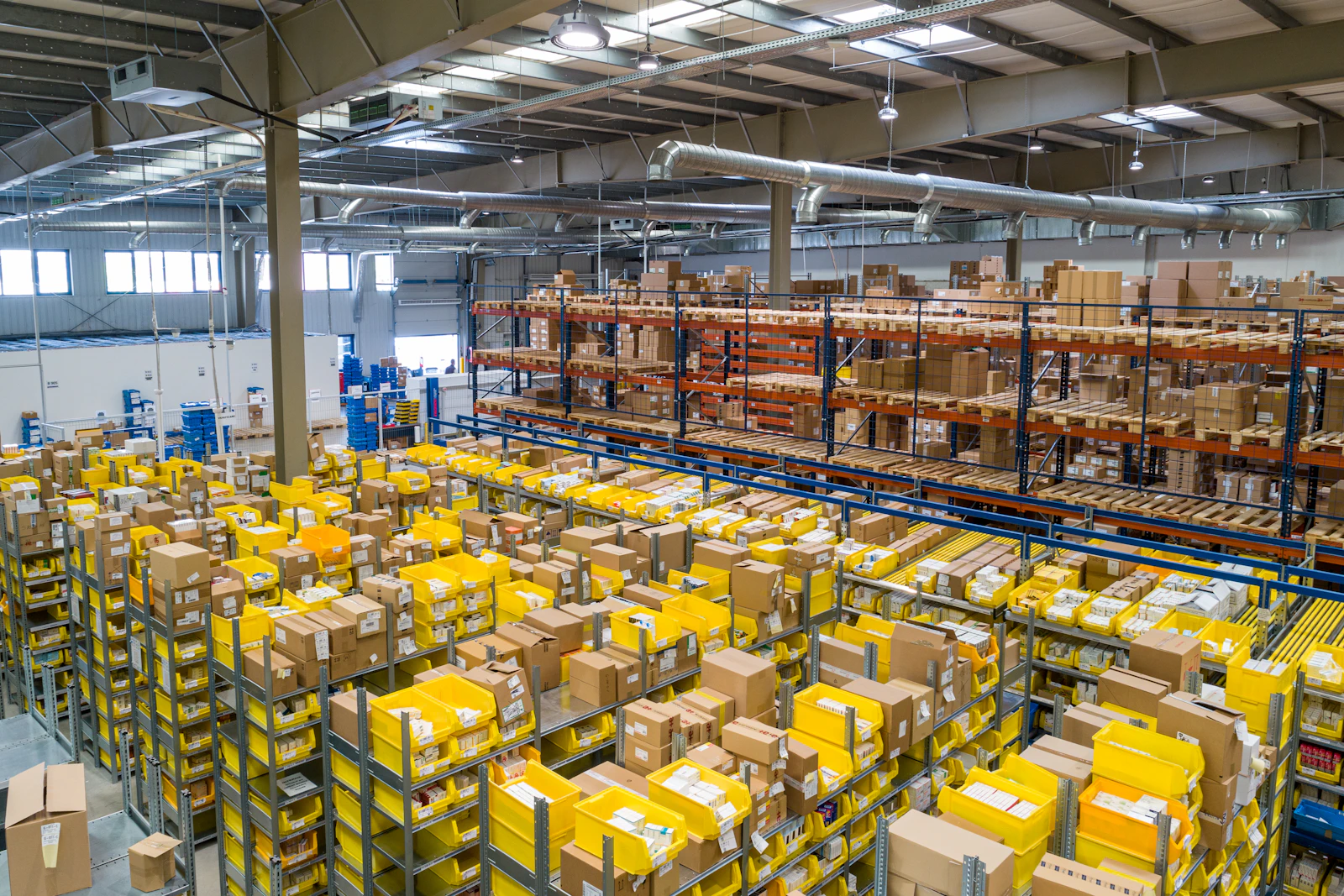
It might sound surprising, but many communities say they would rather have an Amazon warehouse nearby than a data center.
As demand for AI and cloud computing explodes, tech companies are rapidly building data centers across the world. But instead of welcoming them, local residents are increasingly pushing back.
The reason? Data centers bring less visible benefit—and more hidden costs—than people expect.
Why Amazon Warehouses Are More Acceptable
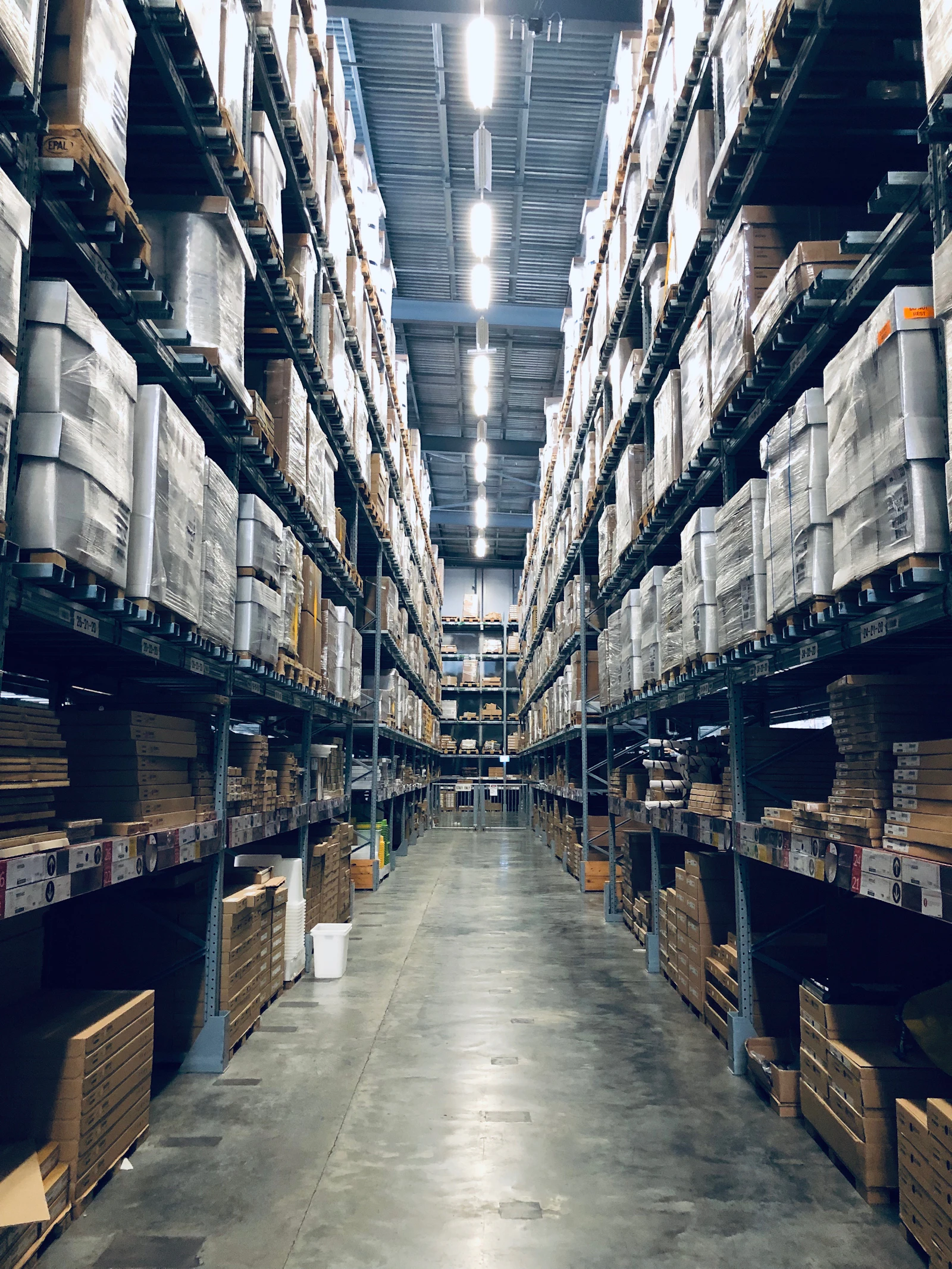
Amazon warehouses, while not perfect, offer clear advantages to local communities:
- Create hundreds (or thousands) of jobs
- Boost local economic activity
- Increase demand for nearby services
- Provide visible, tangible benefits
Even with concerns about traffic and noise, people can see the economic value directly.
The Problem With Data Centers

Data centers are essential for powering the internet and AI—but locally, they can be controversial.
Common concerns include:
- Very few permanent jobs
- High electricity consumption
- Heavy water usage for cooling
- Large, unattractive industrial buildings
To many residents, they feel like resource-heavy facilities with limited local return.
The Hidden Cost: Energy and Water

One of the biggest concerns is resource usage.
Data centers require:
- Massive electricity to run servers
- Significant water for cooling systems
- Continuous operation (24/7 demand)
In some regions, this puts pressure on local infrastructure and raises questions about sustainability and environmental impact.
AI Boom Is Making It Worse

The rapid growth of AI is accelerating data center construction.
This means:
- More land being used for server farms
- Increased demand for energy infrastructure
- Greater strain on local resources
Communities are now facing larger and more frequent data center projects than ever before.
Why Communities Are Pushing Back

Residents are starting to question whether data centers are worth it.
Key reasons for opposition:
- Limited job creation
- Environmental concerns
- Lack of community benefits
- Minimal interaction with local economy
This has led to protests, zoning battles, and stricter regulations in some areas.
The Bigger Debate: Digital Growth vs Local Impact

This issue reflects a larger global tension:
- Tech companies need infrastructure to power AI and cloud services
- Communities want sustainable and beneficial development
Balancing these priorities is becoming one of the biggest challenges in the tech industry.
What Could Change This Perception?
To gain public support, data center operators may need to:
- Use renewable energy sources
- Reduce water consumption
- Invest in local communities
- Increase transparency about impact
Making data centers more sustainable could help shift public opinion.
Final Thoughts
The idea that people prefer Amazon warehouses over data centers highlights an important reality: not all tech infrastructure is viewed equally.
While data centers power the modern digital world, their local impact is becoming harder to ignore.
As AI continues to grow, the challenge will be finding ways to build the infrastructure we need—without losing the support of the communities where it’s built.
FAQ
Why do people prefer warehouses over data centers?
Because warehouses create jobs and visible economic benefits, while data centers often do not.
What are the concerns about data centers?
High energy use, water consumption, and limited local impact.
Are data centers necessary?
Yes, they power the internet, cloud computing, and AI systems.
How does AI affect this issue?
AI increases demand for data centers, making the problem more visible.
Can data centers become more acceptable?
Yes, through sustainability efforts and community investment.
What’s the main takeaway?
Communities want development that provides clear local benefits—not just global value.
Mentioned in this article
Tools
Game Assets Generator
Game Assets Generator is an innovative AI-powered game asset creation platform designed to help g

Game Assets Generator is an innovative AI-powered game asset creation platform designed to help game developers rapidly generate high-quality visual and functional assets by leveraging artificial intelligence and machine learning algorithms . This tool addresses the significant bottleneck of a

QuestnQuiz
QuestnQuiz is an innovative AI-powered quiz generator designed to help users create instant, eng

QuestnQuiz is an innovative AI-powered quiz generator designed to help users create instant, engaging quizzes by leveraging artificial intelligence and natural language processing . QuestnQuiz solves the problem of time-consuming quiz creation, a common challenge for educators, trainers, and c

CosmicUp
CosmicUp is an innovative AI model hub that provides users with a unified subscription to access

CosmicUp is an innovative AI model hub that provides users with a unified subscription to access over 30 distinct AI models, offering unlimited requests across all services. It solves the problem of fragmented AI access, eliminating the need for multiple subscriptions and accounts to utilize dive

SellShots
SellShots is an innovative AI product photography tool designed to help e-commerce businesses ge

SellShots is an innovative AI product photography tool designed to help e-commerce businesses generate high-converting product images by leveraging artificial intelligence and automated image enhancement . SellShots addresses the challenge of creating compelling product visuals for online stor
EUrouter
Opening Overview EUrouter is a specialized AI model routing platform designed to provide business

Opening Overview EUrouter is a specialized AI model routing platform designed to provide businesses and developers with a secure gateway to advanced artificial intelligence models while ensuring that all data processing remains strictly within the European Union. By leveraging a sophisticated rou


