Sam Altman would like remind you that humans use a lot of energy, too
As concerns grow about artificial intelligence’s massive power consumption,

As concerns grow about artificial intelligence’s massive power consumption,
The debate comes at a time when AI infrastructure is expanding rapidly, with new data centers, GPU clusters, and model training facilities requiring significant electricity. Critics warn about sustainability. Industry leaders argue that context matters.
Altman’s comments add fuel to one of tech’s most important discussions: Is AI energy consumption justified?
The AI Energy Debate

Large AI systems require vast computational resources. Training advanced models can consume:
- Millions of kilowatt-hours
- Thousands of high-performance GPUs
- Continuous cooling infrastructure
- Massive data storage systems
Companies like
Environmental advocates have raised concerns about:
- Carbon emissions
- Water usage for cooling
- Strain on regional power grids
- Long-term sustainability
Altman’s Counterpoint

Altman’s response reframes the issue.
He argues that:
- Humans themselves consume massive energy daily
- Industrial civilization runs on energy-intensive systems
- AI is another productivity multiplier
- The real question is value vs. cost
In essence, if society accepts high energy usage for transportation, manufacturing, and digital services, why single out AI?
The broader implication: Energy consumption alone isn’t the problem — inefficient or harmful energy sources are.
AI as an Energy Investment

Supporters of AI expansion argue that:
- AI improves energy efficiency across industries
- Automation reduces waste
- AI can optimize grid management
- Machine learning accelerates climate research
In this view, AI doesn’t just consume power — it helps manage and reduce energy waste elsewhere.
For example, AI systems can:
- Optimize logistics routes
- Improve renewable energy forecasting
- Enhance building energy efficiency
- Automate industrial processes
The argument is that long-term gains may outweigh the upfront energy costs.
The Data Center Reality
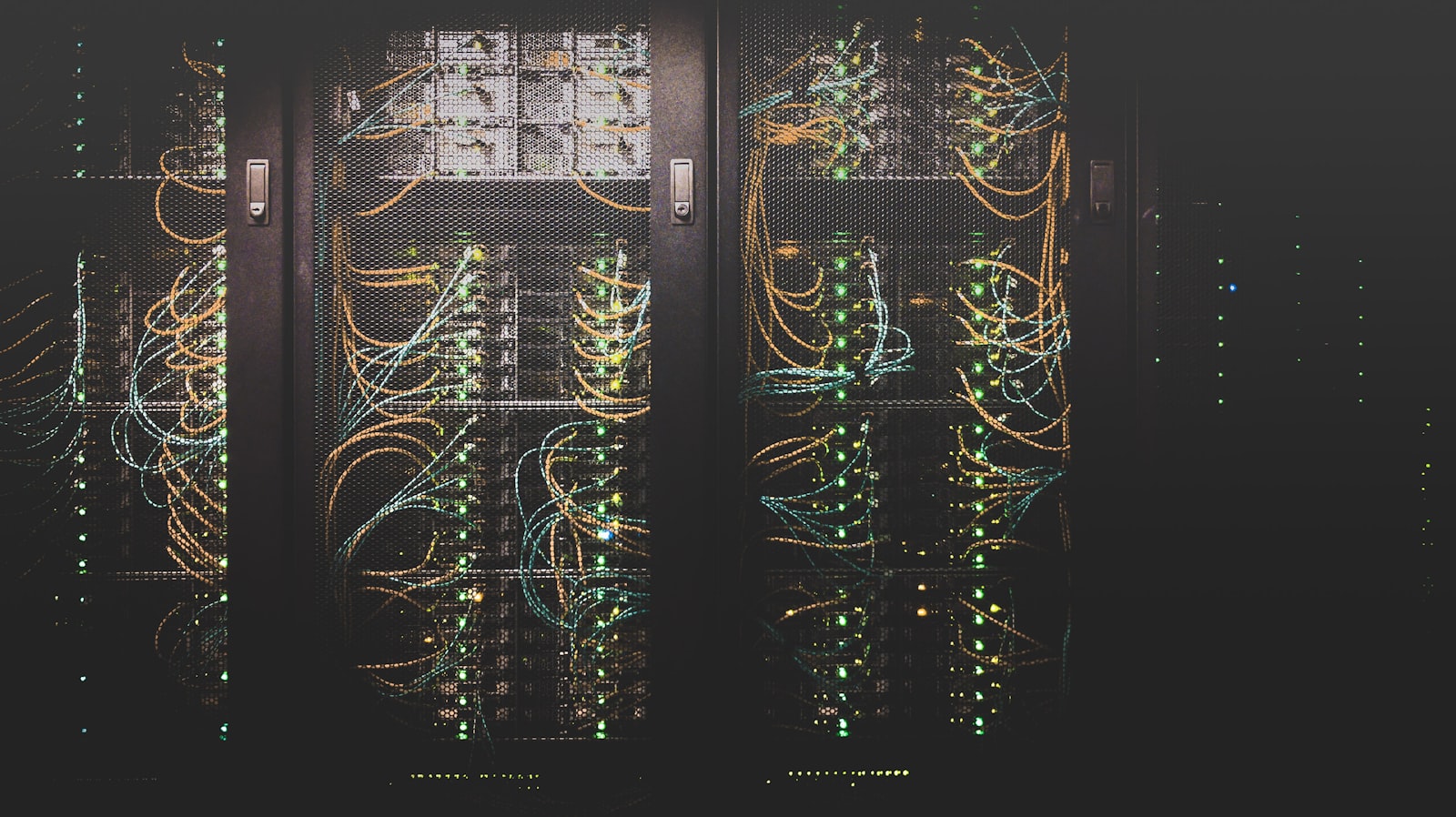
However, the scale is undeniable.
Modern AI data centers:
- Require advanced cooling systems
- Operate 24/7
- Demand reliable power sources
- Often cluster near energy infrastructure
Companies are increasingly turning to:
- Renewable energy contracts
- Nuclear power partnerships
- Advanced cooling technologies
- High-efficiency chip designs
The future of AI may depend as much on energy innovation as algorithmic breakthroughs.
The Broader Philosophical Question

Altman’s framing raises a deeper question:
If AI dramatically increases productivity, creativity, and economic output, does its energy usage become justified?
Historically:
- The internet increased electricity demand
- Industrialization massively increased energy consumption
- Air travel consumes enormous fuel
Yet society embraced these shifts because of the value created.
AI may follow a similar trajectory — controversial at first, normalized later.
Where Critics Push Back
Environmental critics argue:
- AI demand is accelerating too quickly
- Renewable capacity may not scale fast enough
- Data center expansion could impact local communities
- Transparency around energy use remains limited
Some policymakers are exploring regulations on:
- Data center placement
- Energy sourcing requirements
- Carbon disclosure standards
The tension between innovation and sustainability is likely to intensify.
The Future: Energy + AI Co-Evolution
The likely path forward isn’t reducing AI development — it’s transforming how energy is generated and used.
Potential solutions include:
- Advanced nuclear power
- Scaled solar and wind infrastructure
- More efficient chips
- Edge computing to reduce central load
- Smarter data center placement
AI growth may actually accelerate clean energy investment because of the sheer demand it creates.
Final Thoughts
Sam Altman’s reminder that humans consume enormous amounts of energy reframes the AI debate. The question isn’t simply whether AI uses power — it’s whether that power use creates proportional value and whether it can be sourced sustainably.
As AI systems become central to economies and daily life, energy policy and AI development will become increasingly intertwined.
The future won’t be AI versus energy concerns.
It will be AI powered by smarter energy systems.
FAQ
Why is AI energy consumption controversial?
Because training and running large models requires significant electricity and cooling resources.
What is Sam Altman’s argument?
He suggests humans already consume vast energy and AI should be evaluated based on value, not just usage.
Are companies addressing energy concerns?
Yes — through renewable contracts, nuclear exploration, and efficiency improvements.
Will AI demand keep increasing?
Most analysts expect AI infrastructure expansion to continue for years.
Is AI helping reduce energy elsewhere?
Potentially yes, through optimization and efficiency applications.
What’s the long-term solution?
Improving energy generation and efficiency alongside AI expansion.
Mentioned in this article
Tools
ChatGPT Atlas
ChatGPT Atlas is a next-generation AI-powered intelligence platform designed to map, organize, an

ChatGPT Atlas is a next-generation AI-powered intelligence platform designed to map, organize, and generate knowledge at scale. Built on advanced natural language processing (NLP) and large language models , ChatGPT Atlas helps users research faster, create high-quality content, analyze comple

PromptVibe
PromptVibe is an AI-powered prompt library and coding resource designed to enhance productivity for

PromptVibe is an AI-powered prompt library and coding resource designed to enhance productivity for developers and content creators. It addresses the challenge of effectively utilizing large language models by providing a curated collection of high-quality AI prompts and practical coding advice.

Florafauna.aiNew
Florafauna.ai is an AI-powered image generation and creative design platform specializing in produc
Florafauna.ai is an AI-powered image generation and creative design platform specializing in producing high-quality, nature-inspired visuals such as flora, fauna, botanical art, landscapes, and organic imagery. Using advanced generative models, Florafauna.ai enables artists, designers, educators,

Recall AI
Recall AI is a revolutionary knowledge management and content summarization platform that has transf

Recall AI is a revolutionary knowledge management and content summarization platform that has transformed the way individuals and organizations engage with digital information. Launched as a comprehensive solution for knowledge retention and information processing, Recall AI combines advanced artifi

EmergentlabsNew
Emergent is an AI-driven development platform that allows users to build full-stack web and mobile
Emergent is an AI-driven development platform that allows users to build full-stack web and mobile applications using natural language prompts instead of code . The platform uses conversational AI agents to design, generate, and deploy complete applications — including backend logic, frontend UI, a


