aistheticvsFashionLabs
Side-by-side battle & analysis. Compare features, pricing, real community ratings, and pros & cons in 2026.

aisthetic
A 100% free wardrobe optimizer that helps you style your existing clothes effortlessly.
FashionLabs
Revolutionize your e-commerce displays with AI-powered virtual models and clothing modification tools.
Quick Verdict & Takeaway
Head-to-head summary recommendation
Both aisthetic and FashionLabs provide high-performance solutions in the Outfit ecosystem. Both platforms are top-rated in their respective categories.
Choose aisthetic if:
You need a free tool optimized for Fashion advice with TEXT, IMAGE input formats.
Choose FashionLabs if:
You prefer a mixed platform geared towards Fashion models with IMAGE output options.
Specification & Feature Matrix
Direct technical comparison between aisthetic and FashionLabs
| Feature / Spec | aisthetic | FashionLabs |
|---|---|---|
| Pricing Model | FREE | MIXED |
| Starting Price | Free / Not Listed | $40/mo |
| Category | Outfit | Outfit |
| Subcategory | Fashion advice | Fashion models |
| Supported Inputs | TEXT, IMAGE | IMAGE |
| Generated Outputs | TEXT | IMAGE |
| User Rating | ★ 4.0 / 5.0 (0) | ★ 4.0 / 5.0 (0) |
| Verified Status | Unverified | Unverified |
Interface & UI Showcase
Visual previews and interface screenshots
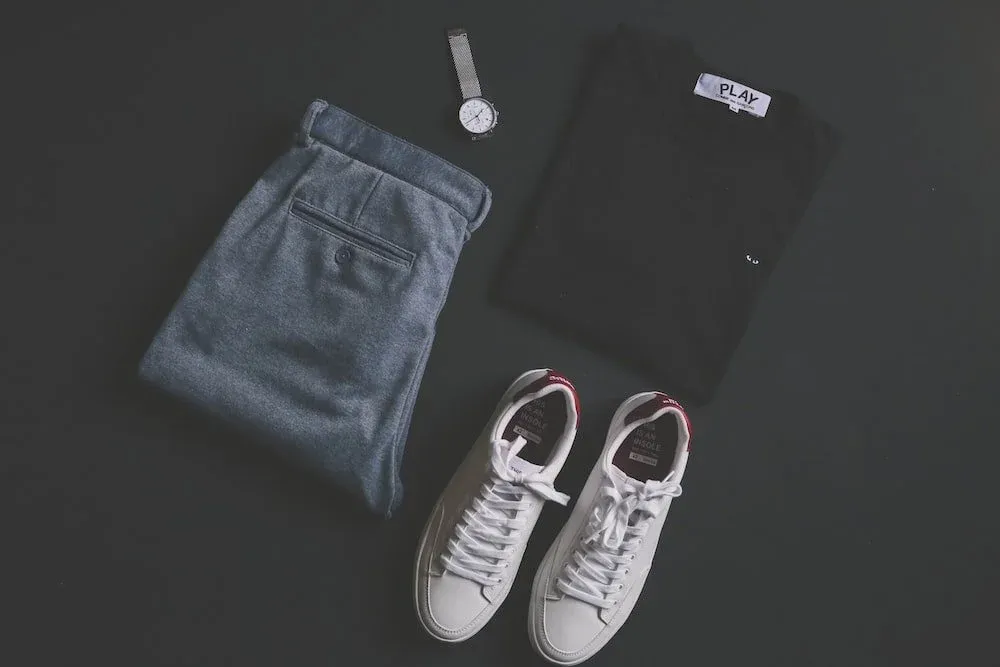
aisthetic Interface

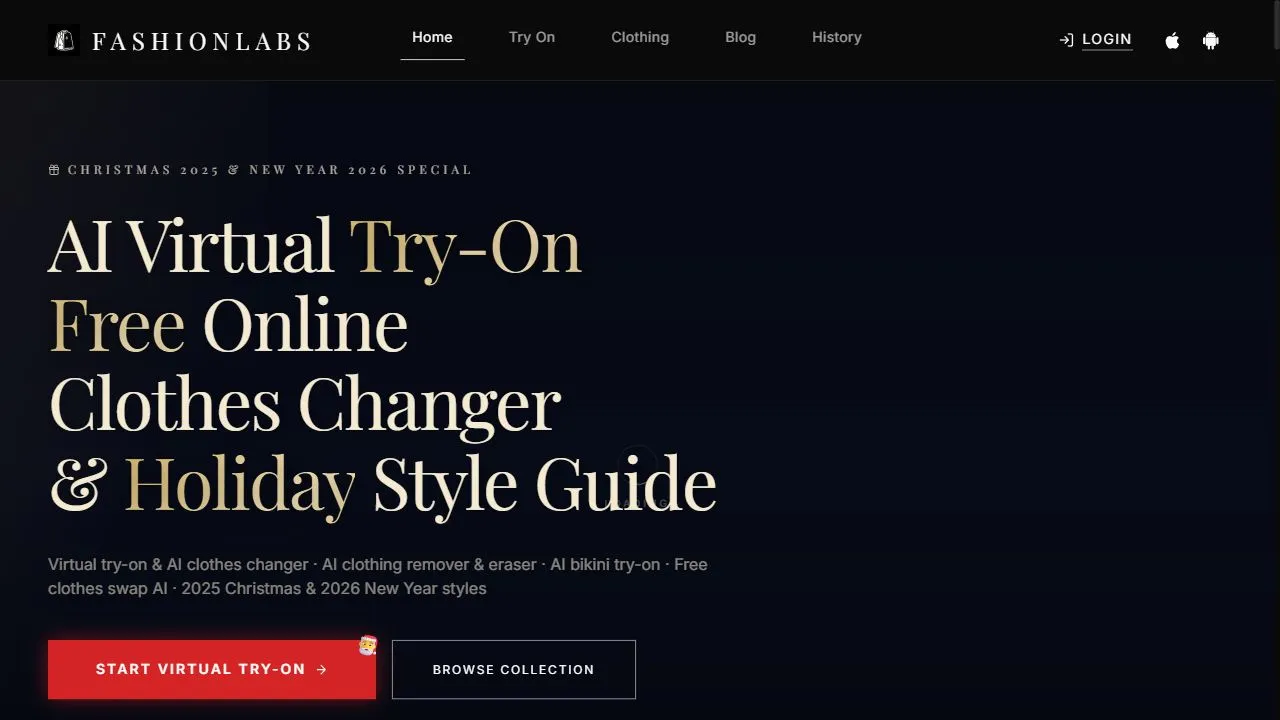
FashionLabs Interface
Pros & Cons Comparison
aisthetic Pros & Cons
Strengths
- Completely free
- Promotes sustainable fashion
Limitations
- No professional styling integration
FashionLabs Pros & Cons
Strengths
- Significant cost savings on photoshoots
- Diverse virtual modeling options
Limitations
- Higher entry cost
- Requires high-quality source clothing images
About aisthetic
Opening Overview Aisthetic is a powerful AI-powered wardrobe optimizer designed to help users maximize the utility of their existing clothing by leveraging artificial intelligence, automation, and intelligent style workflows . The tool addresses the common problem of decision fatigue associated with daily dressing, where individuals often feel they have nothing to wear despite owning a significant number of garments. By transforming a physical closet into a digital inventory, the platform eliminates the guesswork involved in coordinating colors, textures, and styles. The application utilizes artificial intelligence to analyze a user's specific clothing items, style preferences, and external variables such as weather conditions to generate tailored outfit recommendations. By processing both text and image inputs, the AI understands the visual and descriptive attributes of each garment, allowing it to suggest combinations that the user might have otherwise overlooked. This intelligent approach shifts the focus from constant consumption to creative utilization, ensuring that every piece of clothing in a wardrobe serves a purpose. Aisthetic is built for a wide range of users, from fashion enthusiasts looking to refine their aesthetic to busy professionals who want to streamline their morning routines. It is particularly valuable for those committed to sustainable fashion and the "slow fashion" movement, as it provides the tools necessary to maintain a curated, high-value wardrobe without the need for frequent new purchases. By optimizing the current wardrobe, the tool promotes a mindful approach to consumption and personal style. Key Features of Aisthetic Digital wardrobe cataloging through image and text inputs. AI-driven outfit generation based on personalized style goals. Real-time weather integration for climate-appropriate clothing suggestions. Style profile analysis to ensure recommendations align with user aesthetics. Intelligent garment matching based on color theory and fashion trends. Automated wardrobe optimization to identify underutilized clothing items. Frictionless interface for rapid outfit selection and planning. Sustainability-focused algorithms that prioritize existing wardrobe pieces. Why People Use Aisthetic The primary motivation for using Aisthetic is the elimination of the "paradox of choice" that occurs when facing a full closet. In traditional wardrobe management, users must manually sift through hangers and mentally visualize how different pieces pair together, a process that is time-consuming and often leads to repetitive outfit choices. Aisthetic replaces this manual effort with an automated system that can instantly suggest a variety of combinations, significantly reducing the cognitive load required to get dressed every morning. Beyond simple convenience, people utilize this tool to bridge the gap between owning clothes and knowing how to style them. Many individuals possess versatile pieces but lack the styling knowledge to integrate them into diverse looks. The AI acts as a virtual stylist, offering new perspectives on how to layer garments or mix colors, which effectively expands the user's wardrobe without requiring a financial investment in new clothing. Furthermore, there is a growing societal shift toward environmental consciousness. Traditional fashion consumption is driven by the urge to buy new items to keep up with trends. Aisthetic appeals to the eco-conscious consumer by demonstrating that versatility can be achieved through intelligent styling rather than accumulation. By highlighting the hidden potential of a current wardrobe, the tool helps users break the cycle of fast fashion and embrace a more sustainable, minimalist lifestyle. Popular Use Cases Daily Routine Optimization: Professionals and students use the tool to quickly decide on an outfit that fits the day's occasion and weather, saving time during morning preparations. Sustainable Wardrobe Auditing: Users employ the optimizer to identify which clothes they actually wear and which are redundant, allowing them to streamline their closet for a more mindful living space. Travel Packing Efficiency: Travelers use the AI to create a "capsule wardrobe" for trips, ensuring that every item packed can be paired with multiple other pieces to maximize outfit variety with minimal luggage. Style Exploration: Individuals looking to change their personal aesthetic use the tool to experiment with different combinations of their existing clothes to find a new look without spending money. Weather-Based Styling: Users rely on the tool to transition their wardrobe between seasons, receiving suggestions on how to layer summer pieces for autumn or winter. Event Planning: People use the optimizer to curate specific looks for social events, meetings, or dates by filtering their digital wardrobe for appropriate formality levels. Benefits of Aisthetic Significant Time Savings: By automating the selection process, users reduce the time spent deciding what to wear, leading to more efficient morning routines. Promotion of Environmental Sustainability: The tool actively discourages over-consumption by proving that an existing wardrobe is sufficient for various style needs. Increased Style Confidence: Users receive AI-backed suggestions that follow aesthetic principles, helping them feel more confident in their fashion choices. Financial Savings: By maximizing the use of current garments, users reduce the impulse to buy new clothes to solve a perceived lack of options. Enhanced Closet Organization: The process of digitizing a wardrobe provides users with a clearer overview of their possessions, making it easier to manage and organize their physical space. Discovery of New Combinations: The AI often suggests unconventional pairings that a human might not consider, leading to a more creative and diverse personal style. Stress Reduction: Removing the daily struggle of outfit selection eliminates a common source of minor morning stress and decision fatigue.
About FashionLabs
FashionLabs is a professional AI-powered virtual modeling and digital apparel visualization tool designed to help e-commerce brands and fashion designers automate product photography and garment presentation by leveraging artificial intelligence, computer vision, and generative adversarial networks . By replacing traditional, high-cost photo shoots with hyper-realistic AI-generated imagery, the platform solves the logistical and financial burdens associated with hiring models, renting studios, and coordinating complex physical productions. The tool is specifically engineered for fashion retailers, DTC (direct-to-consumer) apparel brands, and independent clothing designers who need to showcase their collections across multiple demographics without the overhead of physical shoots. By utilizing AI virtual models , the platform allows users to upload product images and seamlessly map them onto realistic human figures, ensuring that the drape, fit, and texture of the clothing are maintained while providing a high-fidelity visual experience for the end consumer. Through the integration of intelligent workflows and garment modification tools , FashionLabs enables brands to scale their visual content production rapidly. Instead of being limited by the availability of physical models, companies can generate a diverse array of assets that resonate with global audiences, adjusting the model's appearance, ethnicity, and environment to match specific target markets. This shift toward AI-driven e-commerce photography ensures that digital storefronts remain competitive, visually appealing, and inclusive. Key Features of FashionLabs Hyper-Realistic AI Model Generation : Creates high-fidelity virtual humans that serve as digital mannequins for apparel showcasing. Automated Garment Mapping : Intelligently places uploaded clothing images onto virtual models while maintaining realistic proportions. Fabric Texture Modification : Allows users to adjust and refine the appearance of textures to accurately represent different materials. Clothing Modification Tools : Provides the ability to tweak the fit and appearance of garments on the digital model. Model Diversity Customization : Enables the generation of models with varied ethnicities, ages, and body types to ensure brand inclusivity. Virtual Environment Adjustment : Modifies the background and setting of the product image to align with brand aesthetics. High-Resolution Image Output : Produces professional-grade imagery suitable for high-traffic e-commerce websites and digital marketing campaigns. Seamless Image-to-Image Processing : Processes raw product photos into polished, model-worn assets using advanced AI rendering. Why People Use FashionLabs The primary motivation for adopting FashionLabs is the elimination of the traditional fashion photography pipeline, which is historically slow and prohibitively expensive. In a conventional setting, a brand must source a model, book a photographer, secure a studio, and manage the logistics of shipping physical samples. This process is not only time-consuming but also creates a bottleneck in the product launch cycle. By switching to an AI-powered virtual modeling workflow , brands can move from a design concept to a live product listing in a fraction of the time. Furthermore, the tool addresses the challenge of scalability. For brands with extensive catalogs, photographing every item in multiple sizes and on multiple models is often financially unfeasible. FashionLabs allows for the rapid scaling of visual assets , enabling a company to generate hundreds of unique images without increasing their operational budget linearly. Accuracy and consistency are also major drivers. Traditional photography can suffer from lighting inconsistencies or human error during the shoot. AI-generated imagery provides a controlled environment where lighting, posture, and background can be standardized across an entire collection, creating a cohesive and professional look for the online storefront. This level of precision helps in reducing customer return rates by providing a more consistent visualization of how the product appears when worn. Popular Use Cases DTC Fashion Brands : Small to medium-sized online labels use the tool to create professional lookbooks and product pages without the need for a massive production budget. Global Apparel Retailers : Large-scale enterprises utilize the platform to localize their marketing by generating models that reflect the diversity of the specific regions they are targeting. Independent Clothing Designers : Emerging designers use virtual modeling to prototype the visual appeal of their garments before committing to full-scale physical production. E-commerce Agency Workflows : Digital marketing agencies leverage the tool to quickly produce high-quality ad creatives for various clients in the fashion and textile industry. Rapid Catalog Updates : Retailers with high inventory turnover use the AI to update their product imagery instantly as new seasonal styles arrive. Inclusive Marketing Campaigns : Brands aiming to showcase a wide range of body types and ethnicities use the tool to ensure their imagery is representative and inclusive. Benefits of FashionLabs Drastic Reduction in Overhead : Eliminates the recurring costs associated with studio rentals, model fees, and professional photography equipment. Accelerated Time-to-Market : Dramatically shortens the gap between product manufacturing and digital listing by removing the need for scheduled photo shoots. Enhanced Brand Inclusivity : Simplifies the process of representing diverse populations, allowing brands to reach a broader global demographic effortlessly. Operational Agility : Enables brands to iterate on their visual strategy in real-time, changing models or backgrounds without needing to re-shoot the entire collection. Increased Production Volume : Allows for the creation of a vast library of marketing assets, providing more content for social media, email campaigns, and web banners. Consistency in Visual Identity : Ensures that all product images maintain a uniform quality, lighting, and style, which strengthens brand trust and professionalism. Simplified Logistics : Removes the need to ship physical samples to various locations for photography, reducing the risk of damage or loss of inventory.
More AI Competitors to Compare
Paul & Ty's Clothes on the Fly
Outfit



Hair-style.ai
Outfit
FashionAdvice.ai
Outfit
Frequently Asked Questions
Most questions answered in under 30 seconds — but if you still have one, write to us at contactgetaitool@gmail.com and we reply within a few hours.
Which is better in 2026, aisthetic or FashionLabs?
How does the pricing compare between aisthetic and FashionLabs?
Can I use aisthetic and FashionLabs for free?
What input and output formats do aisthetic and FashionLabs support?
What are the key advantages of aisthetic?
What are the key advantages of FashionLabs?
What are top alternative competitors to aisthetic and FashionLabs?
Ready to Choose Your AI Tool?
Try both platforms or explore thousands of other curated artificial intelligence tools on GetAiTools.
Tags & Core Competencies
Specific tags and feature capabilities