FlowstepvsLeonardo AI
Side-by-side battle & analysis. Compare features, pricing, real community ratings, and pros & cons in 2026.

Flowstep
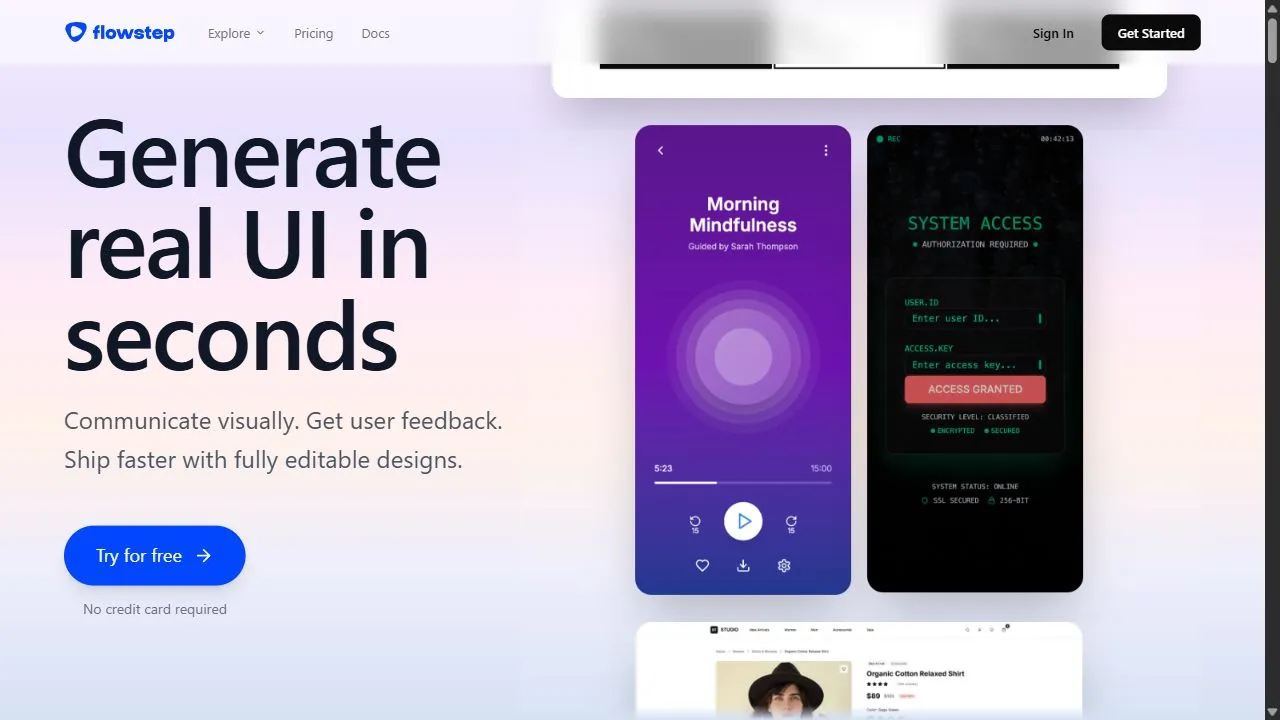
Flowstep is an AI-powered design assistant that generates real, responsive UI components and interfaces in seconds.

Leonardo AI
Leonardo AI is an advanced AI image generator designed to empower artists, designers, and creators to produce high-quality AI art and visuals from text prompts.
Quick Verdict & Takeaway
Head-to-head summary recommendation
Both Flowstep and Leonardo AI provide high-performance solutions in the Design ecosystem. Leonardo AI holds the rating edge with an average community score of ★ 5.0/5.0 (1 verified reviews).
Choose Flowstep if:
You need a mixed tool optimized for UX Design with TEXT input formats.
Choose Leonardo AI if:
You prefer a mixed platform geared towards Graphic Design with IMAGE, TEXT output options.
Specification & Feature Matrix
Direct technical comparison between Flowstep and Leonardo AI
| Feature / Spec | Flowstep | Leonardo AI |
|---|---|---|
| Pricing Model | MIXED | MIXED |
| Starting Price | $15/mo | Free / Not Listed |
| Category | Design | Design |
| Subcategory | UX Design | Graphic Design |
| Supported Inputs | TEXT | TEXT |
| Generated Outputs | OTHERS | IMAGE, TEXT |
| User Rating | ★ 4.0 / 5.0 (0) | ★ 5.0 / 5.0 (1) |
| Verified Status | Unverified | Unverified |
Interface & UI Showcase
Visual previews and interface screenshots
Flowstep Interface
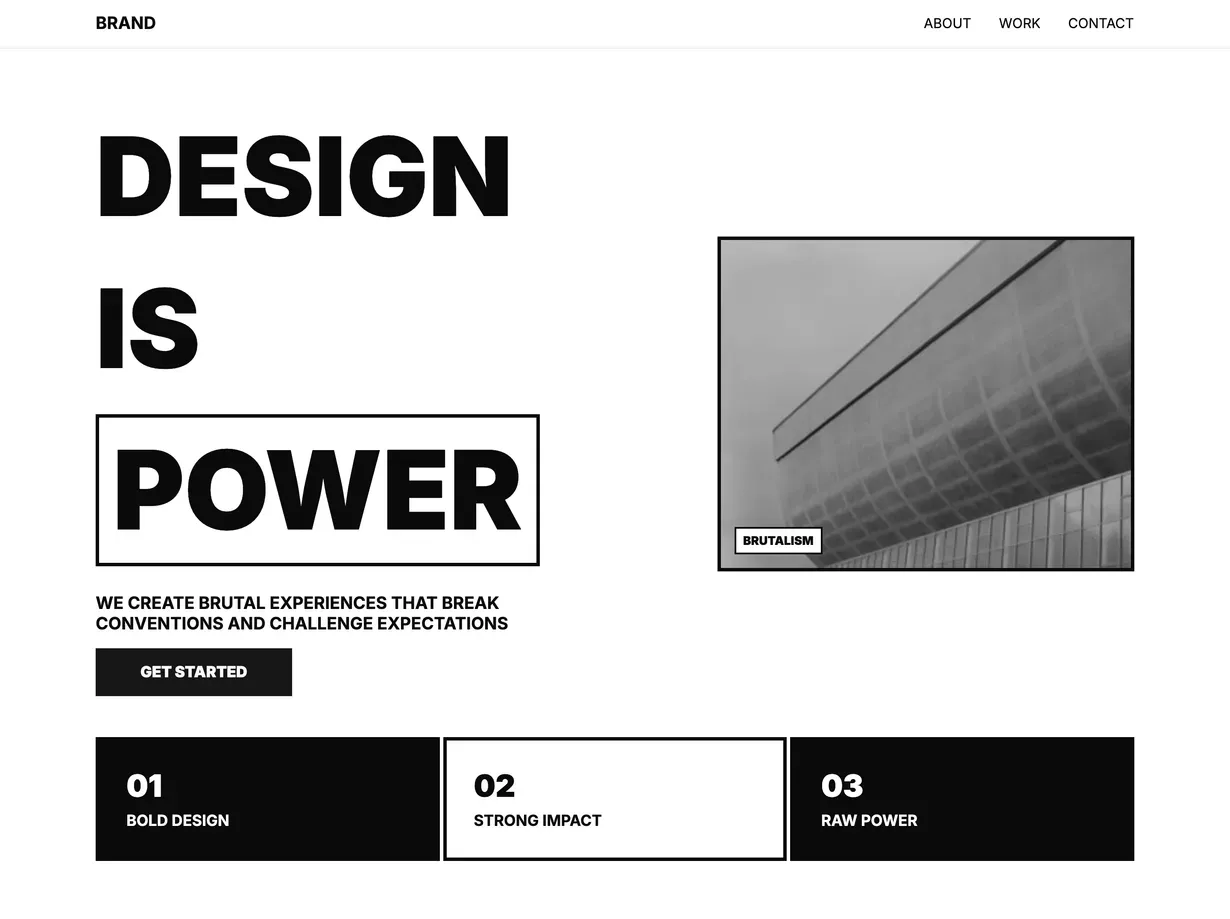
Leonardo AI Interface


Pros & Cons Comparison
Flowstep Pros & Cons
Strengths
- Accelerates development time
- Generates real UI elements
- Great for rapid prototyping
Limitations
- Requires some technical understanding
- High starting price
Leonardo AI Pros & Cons
Strengths
- Generates high-quality AI art, images, and videos from text prompts.
- Offers comprehensive tools and advanced models for generative AI.
- Provides control over artistic style, composition, and detail.
- Bridges the gap between creative vision and technical execution.
- Features for video creation from AI-generated visuals.
Limitations
- Free tier likely has daily limits on generations or features.
- Subscription required for extensive usage, advanced models, and commercial rights.
- Learning curve for mastering advanced prompt engineering and specific model usage.
- AI art may sometimes lack human nuances or require multiple iterations to achieve desired results.
Real Community Feedback
Verified user reviews from GetAiTools community
Flowstep Reviews0
No community reviews yet for Flowstep.
Leonardo AI Reviews1
"Vghn"
About Flowstep
Opening Overview Flowstep is a powerful AI-powered design assistant designed to help developers and UI designers build functional interfaces in record time by leveraging artificial intelligence, automation, and intelligent workflows . By transforming conceptual requirements into real, responsive UI components instantly, the tool addresses the persistent bottleneck found in the traditional software development lifecycle: the gap between a static design mockup and a fully functioning frontend interface. The platform utilizes advanced generative AI to interpret text-based requirements and translate them into structural layout, styling, and interactive elements. Instead of spending hours manually writing CSS and HTML or tweaking component properties in a design tool, users can describe the desired outcome, and Flowstep generates the corresponding code and visual structure. This automation effectively removes the repetitive nature of frontend coding, allowing professional teams to focus on high-level architecture and user experience rather than boilerplate styling. Flowstep is primarily engineered for frontend engineers, UI/UX designers, and product managers who need to move from a wireframe to a high-fidelity prototype with minimal friction. By providing a collaborative environment where design logic meets executable code, it ensures that the final output is not only visually appealing but also structurally sound and compatible with modern development stacks. Whether the goal is to build a complex enterprise dashboard or a streamlined mobile application, Flowstep serves as an accelerated bridge between an initial idea and an interactive design. Key Features of Flowstep Generates real, responsive UI components based on text-based conceptual requirements. Automates the creation of structural layouts and styling elements to reduce manual coding. Transforms high-level descriptions into functional frontend interfaces in seconds. Provides compatibility with modern development stacks for seamless integration into existing projects. Supports the rapid generation of interactive design elements for prototyping. Produces responsive layouts that adapt automatically to various screen sizes and devices. Streamlines the transition from initial wireframes to fully realized interactive prototypes. Facilitates a design-to-logic workflow that ensures structural integrity in the output. Reduces the development lifecycle by automating repetitive UI building tasks. Enables iterative design through quick AI-driven adjustments to existing components. Why People Use Flowstep The primary motivation for using Flowstep lies in the desire to eliminate the tedious and time-consuming process of manual frontend development. In a traditional workflow, a designer creates a visual mockup in a tool like Figma or Adobe XD, which a developer must then manually translate into code. This "handoff" process is often fraught with inconsistencies, requiring multiple rounds of revisions to ensure the final product matches the original design intent. Flowstep bypasses this friction by generating the functional UI components directly, ensuring that the design and the code are aligned from the start. Furthermore, the demand for responsive design has increased the complexity of frontend work. Developers are no longer building for a single screen size but must ensure a seamless experience across desktops, tablets, and smartphones. Manually writing media queries and flexible grid systems is a repetitive task that consumes a significant portion of a project's timeline. Users turn to Flowstep because its AI natively understands responsiveness, producing layouts that are inherently flexible and compatible with various viewport dimensions without requiring manual intervention for every element. Scalability and speed are also driving factors. For startups and agile teams, the ability to pivot a design or test a new feature quickly is a competitive advantage. Manual coding of new interfaces can slow down the iteration cycle. Flowstep allows these teams to generate a functional prototype in a fraction of the time typically required, enabling them to validate ideas with stakeholders and users much faster. By automating the "heavy lifting" of UI construction, the tool allows developers to spend more time on complex business logic and less time on the minutiae of padding, margins, and color hex codes. Popular Use Cases SaaS MVP Development : Startup founders and early-stage developers use Flowstep to quickly build Minimum Viable Products, allowing them to move from a concept to a functional interface for investor demos without hiring a full design team. Rapid Prototyping for UI/UX Designers : Designers use the tool to create high-fidelity, interactive prototypes that behave like real applications, providing a more accurate representation of the user journey than static screens. Enterprise Dashboard Creation : Product teams in corporate environments leverage Flowstep to generate complex data tables, sidebars, and analytics widgets for internal administrative tools. Frontend Framework Acceleration : Frontend engineers use the tool to generate the initial scaffolding of a UI, which they then refine and integrate into frameworks like React, Vue, or Angular. Freelance Web Development : Independent contractors use Flowstep to provide clients with rapid visual proofs-of-concept, reducing the time spent on initial design approvals. Mobile-First Interface Design : Developers focused on mobile web applications use the tool to ensure that every component generated is optimized for touch interfaces and small screens. Design System Expansion : Teams looking to expand their internal component libraries use Flowstep to brainstorm and generate new UI patterns that adhere to their existing structural logic. Benefits of Flowstep Drastic Reduction in Time-to-Market : By automating the UI generation process, teams can move through the design and development phases significantly faster, accelerating the overall product launch. Enhanced Design Consistency : The AI ensures that generated components follow a logical structural pattern, reducing the likelihood of visual inconsistencies across different pages of an application. Increased Developer Productivity : Engineers are freed from the burden of writing repetitive boilerplate CSS and HTML, allowing them to focus on critical application logic and performance optimization. Seamless Responsive Integration : The ability to generate inherently responsive components eliminates the need for extensive manual testing and tweaking across multiple device types. Lowered Technical Barrier for Designers : UI/UX designers can generate functional components that are closer to the final production code, reducing the gap between their vision and the technical implementation. Improved Iteration Speed : The ability to modify interfaces through text-based prompts allows for near-instantaneous updates to the UI, making the feedback loop between stakeholders and developers much tighter. Higher Quality Structural Output : Because the tool focuses on building "real" components rather than just images of designs, the resulting interfaces are more stable and easier for developers to maintain.
About Leonardo AI
Leonardo AI is an advanced AI image generator designed to empower artists, designers, and creators to produce high-quality AI art and visuals from text prompts. It solves the challenge of time-consuming and often expensive traditional art creation by leveraging generative artificial intelligence to rapidly transform ideas into stunning visual assets. This tool is intended for a wide range of users, including digital artists, graphic designers, marketers, game developers, and anyone seeking to explore the possibilities of AI-powered art generation . Key Features of Leonardo AI Text-to-image generation with diverse artistic styles. AI-powered video creation and animation capabilities. Fine-tuning options for precise control over image details. Model training and customization for unique artistic outputs. Community feed for inspiration and sharing creations. Real-time canvas for iterative image refinement. Asset management and organization tools. API access for integration with other applications. Negative prompt support to exclude unwanted elements. ControlNet integration for advanced composition control. Why People Use Leonardo AI Individuals and businesses utilize Leonardo AI to accelerate their creative workflows and overcome the limitations of traditional art creation methods. Unlike manual painting, sculpting, or digital illustration, Leonardo AI allows users to generate multiple iterations of an image or video in a fraction of the time. This speed and efficiency are particularly valuable for projects requiring a high volume of visual content, such as marketing campaigns, game development, or concept art. The platform’s ability to translate textual descriptions into detailed visuals also democratizes art creation, enabling individuals without extensive artistic training to realize their creative visions. Leonardo AI offers a scalable solution for visual content creation, reducing costs and improving productivity compared to traditional outsourcing or in-house art teams. Popular Use Cases Game Development: Creating concept art, textures, and character designs for video games. Marketing & Advertising: Generating eye-catching visuals for social media, advertisements, and website content. Graphic Design: Producing unique illustrations, logos, and branding materials. Illustration: Developing artwork for books, magazines, and other publications. Concept Art: Rapidly prototyping visual ideas for films, animations, and other creative projects. Architectural Visualization: Generating realistic renderings of building designs and interiors. Fashion Design: Creating virtual prototypes of clothing and accessories. NFT Creation: Generating unique digital artwork for non-fungible tokens. Storyboarding: Quickly visualizing scenes for film and animation projects. Personal Art Projects: Exploring creative ideas and generating artwork for personal enjoyment. Benefits of Leonardo AI Increased Productivity: Significantly reduces the time and effort required to create high-quality visuals. Cost Savings: Lowers expenses associated with hiring artists or purchasing stock images. Enhanced Creativity: Enables users to explore a wider range of artistic styles and concepts. Scalability: Easily generates a large volume of visual content to meet growing demands. Accessibility: Empowers individuals without extensive artistic training to create professional-quality artwork. Rapid Iteration: Facilitates quick experimentation and refinement of visual ideas. Unique Visuals: Produces original artwork tailored to specific creative briefs. Streamlined Workflow: Integrates seamlessly into existing design and content creation pipelines. Improved Visual Communication: Enhances the impact of marketing materials and presentations. Expanded Creative Possibilities: Opens up new avenues for artistic expression and innovation.
More AI Competitors to Compare


Lexica AI.net
Design
PXZ AI | Video Generator
Design

AI Watermark Remover | Picsman AI
Design
Frequently Asked Questions
Most questions answered in under 30 seconds — but if you still have one, write to us at contactgetaitool@gmail.com and we reply within a few hours.
Which is better in 2026, Flowstep or Leonardo AI?
How does the pricing compare between Flowstep and Leonardo AI?
Can I use Flowstep and Leonardo AI for free?
What input and output formats do Flowstep and Leonardo AI support?
What are the key advantages of Flowstep?
What are the key advantages of Leonardo AI?
What are top alternative competitors to Flowstep and Leonardo AI?
Ready to Choose Your AI Tool?
Try both platforms or explore thousands of other curated artificial intelligence tools on GetAiTools.
Tags & Core Competencies
Specific tags and feature capabilities