Video to Video AIvsPixwith AI
Side-by-side battle & analysis. Compare features, pricing, real community ratings, and pros & cons in 2026.

Video to Video AI
Transform videos using simple text commands.

Pixwith AI
Create stunning AI videos & images in minutes.
Quick Verdict & Takeaway
Head-to-head summary recommendation
Both Video to Video AI and Pixwith AI provide high-performance solutions in the Ai Video generator ecosystem. Both platforms are top-rated in their respective categories.
Choose Video to Video AI if:
You need a subscription tool optimized for Ai Video generator with VIDEO, TEXT input formats.
Choose Pixwith AI if:
You prefer a mixed platform geared towards Ai Video generator with VIDEO, IMAGE output options.
Specification & Feature Matrix
Direct technical comparison between Video to Video AI and Pixwith AI
| Feature / Spec | Video to Video AI | Pixwith AI |
|---|---|---|
| Pricing Model | SUBSCRIPTION | MIXED |
| Starting Price | $29.99/mo | $9.99/mo |
| Category | Ai Video generator | Ai Video generator |
| Subcategory | Ai Video generator | Ai Video generator |
| Supported Inputs | VIDEO, TEXT | TEXT |
| Generated Outputs | VIDEO | VIDEO, IMAGE |
| User Rating | ★ 4.0 / 5.0 (0) | ★ 4.0 / 5.0 (0) |
| Verified Status | Unverified | Verified |
Interface & UI Showcase
Visual previews and interface screenshots
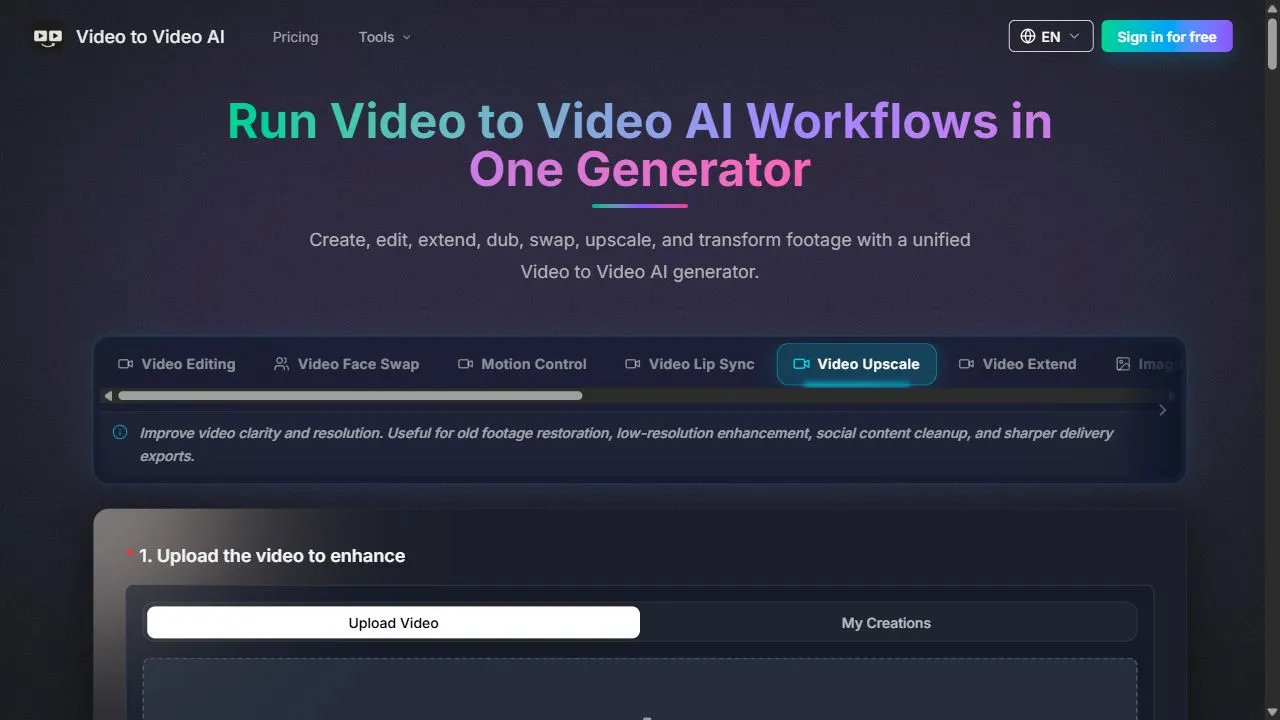
Video to Video AI Interface
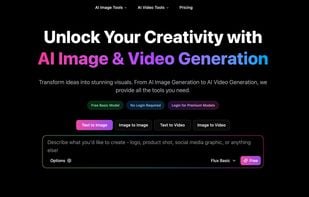
Pixwith AI Interface

Pros & Cons Comparison
Video to Video AI Pros & Cons
Strengths
- Powerful AI stylization
- Fast processing for video content
Limitations
- Higher entry price
- Subscription-only model
Pixwith AI Pros & Cons
Strengths
- Creates stunning AI videos and images in minutes.
- All-in-one platform for diverse multimedia needs.
- Accessible and often no sign-up required for basic use.
- Transforms text prompts into captivating visual content.
Limitations
- Free tier might have limitations on features or resolution.
- AI-generated content may sometimes require refinement.
Real Community Feedback
Verified user reviews from GetAiTools community
Video to Video AI Reviews0
No community reviews yet for Video to Video AI.
Pixwith AI Reviews3
"I wish it had voice commands."
"Good enough."
"I ran into a few issues here and there."
About Video to Video AI
Video to Video AI is a powerful AI-powered video stylization tool designed to help users transform the visual aesthetic of existing footage by leveraging artificial intelligence, automation, and intelligent generative workflows . By utilizing advanced machine learning models, the platform allows content creators to modify the art style, mood, and overall visual composition of a video using simple text-based commands. This eliminates the need for tedious manual frame-by-frame editing, providing a streamlined path from raw footage to a highly stylized cinematic piece. The primary problem this tool solves is the immense time and technical skill required for traditional video rotoscoping and stylized animation. In a conventional production pipeline, altering the style of a video would require a professional VFX artist to manually track objects and apply filters or redraw frames, a process that can take hundreds of man-hours. Video to Video AI automates this by analyzing the spatial and temporal data of the source video and applying a new visual layer based on the user's descriptive prompts. Designed for a wide array of creative professionals, the tool is particularly beneficial for filmmakers, social media influencers, digital artists, and marketing agencies. By integrating generative AI for video , the platform enables users to experiment with diverse artistic directions—ranging from photorealistic alterations to abstract animations—without requiring deep knowledge of complex software like Adobe After Effects or DaVinci Resolve. This accessibility democratizes high-end visual effects, allowing anyone with a vision and a text prompt to produce professional-grade stylized content. Key Features of Video to Video AI Text-driven video stylization that transforms footage based on descriptive prompts. Advanced machine learning models for consistent frame-by-frame style application. Support for diverse artistic styles, including animation, digital painting, and cinematic renders. Automated temporal consistency to reduce flickering and visual artifacts between frames. High-speed processing engines optimized for rapid video rendering. Flexible input system allowing users to upload existing video files for modification. Intuitive prompt interface for refining the intensity and direction of the visual transformation. Ability to overlay complex animations on top of real-world movements. Scalable output options to ensure the final video maintains quality across different resolutions. Intelligent scene analysis to ensure the AI respects the original structure and motion of the source clip. Why People Use Video to Video AI The core motivation for using Video to Video AI lies in the pursuit of visual uniqueness and production efficiency. In the modern digital landscape, where attention spans are short and visual competition is fierce, creators must produce content that stands out. Traditional methods of achieving a "stylized" look—such as hiring an animation studio or spending weeks on manual masking—are often prohibitively expensive and slow. This tool allows users to bypass these bottlenecks, turning a standard video into a piece of digital art in a fraction of the time. Compared to manual editing, the AI-driven approach offers unparalleled scalability. A creator can test ten different artistic styles for a single scene in the time it would take to manually render one. This iterative process fosters greater creativity, as users are more likely to experiment with bold, unconventional aesthetics when the cost of failure (in terms of time) is minimized. Furthermore, the tool provides a level of accuracy in style application that is difficult to achieve with simple filters. While a standard color grade or filter applies a uniform change to the entire image, Video to Video AI understands the content of the frames. It can distinguish between a subject and a background, applying the AI style in a way that feels integrated into the scene rather than simply layered on top. This results in a more cohesive and professional final product. Popular Use Cases Music Video Production : Artists and directors use the tool to create surreal, psychedelic, or highly stylized visuals that sync with the mood of a song, often switching styles mid-video to reflect changes in the music. Social Media Content Creation : Influencers on platforms like TikTok, Instagram, and YouTube utilize the tool to create "hooks" or visually striking clips that grab viewer attention through unexpected artistic transformations. Marketing and Advertising : Brand managers apply specific brand aesthetics or futuristic themes to product demonstrations, making standard B-roll footage look like high-budget CGI. Film Concept Prototyping : Filmmakers use the platform to create "mood reels" or pre-visualizations, testing how a specific art style would look in a scene before committing to a full production budget. Digital Art and Experimental Cinema : Independent artists leverage the tool to explore the intersection of reality and AI-generated art, creating dream-like sequences or abstract visual poetry. Gaming and Esports Content : Content creators transform gameplay footage into different art styles, such as turning a 3D game into a 2D anime aesthetic for highlight reels. Educational and Explainer Videos : Educators use stylized visuals to simplify complex concepts or create engaging metaphors by transforming real-world footage into diagrams or simplified animations. Benefits of Video to Video AI Drastic Reduction in Production Time : Tasks that previously took days or weeks of manual labor are completed in minutes, accelerating the entire content creation lifecycle. Lower Barrier to Entry for VFX : High-end visual stylization is no longer restricted to those with expensive software and years of technical training. Enhanced Creative Flexibility : The ability to rapidly prototype different visual styles allows for more daring artistic choices and experimentation. Increased Content Volume : By streamlining the editing process, creators can produce a higher volume of high-quality, visually engaging videos without increasing their workload. Improved Audience Engagement : The unique, AI-generated aesthetics help content stand out in saturated feeds, leading to higher click-through and retention rates. Cost-Effective Scaling : Small teams and solo creators can achieve a "big studio" look without the need for a massive budget or a large team of animators. Seamless Integration of Realism and Fantasy : The tool allows for the perfect blend of real-world physics and motion with imaginary artistic styles, creating a polished, professional result.
About Pixwith AI
Pixwith AI is a comprehensive AI-powered video and image generator designed to help users create high-quality visual assets by leveraging artificial intelligence, automation, and intelligent text-to-visual workflows . By integrating both image and video generation into a single ecosystem, the platform eliminates the need for multiple fragmented tools, allowing creators to move from a conceptual text prompt to a finished multimedia asset in a matter of minutes. The tool solves the primary challenge of high production costs and the steep learning curve associated with professional design and cinematography software. Traditionally, creating a high-quality marketing video or a custom digital illustration required expensive hardware, specialized software skills, and significant time investments. Pixwith AI leverages advanced generative AI models to democratize this process, enabling marketers, educators, and content creators to produce studio-grade visuals without requiring deep technical expertise in graphic design or video editing. Designed for a wide array of users—from solo entrepreneurs and social media influencers to corporate marketing teams—Pixwith AI optimizes the content pipeline by automating the most labor-intensive parts of the creative process. By utilizing high-intent AI algorithms, the platform interprets natural language descriptions to render precise imagery and dynamic motion, ensuring that the final output aligns with the user's original vision while maintaining professional aesthetic standards. Key Features of Pixwith AI Text-to-video generation that converts written descriptions into high-definition motion clips. Text-to-image synthesis for creating custom illustrations, photos, and digital art from prompts. Specialized UGC (User Generated Content) ad creation tools for high-conversion social media marketing. Integrated video upscaling capabilities to enhance the resolution and clarity of existing footage. Automated creation of video tutorials to simplify complex instructional content. Advanced motion synthesis for realistic interpersonal interactions and character movements. Frictionless access model allowing users to generate content without mandatory account registration for basic tasks. Unified multimedia dashboard for managing both static images and dynamic video assets. Rapid iteration engine that allows users to refine prompts for precise visual adjustments. Optimized rendering pipeline for fast turnaround times on complex generative tasks. Why People Use Pixwith AI The core motivation for adopting Pixwith AI lies in the necessity for speed and scalability in the modern digital attention economy. In an era where social media algorithms prioritize a high volume of fresh, engaging content, the traditional method of manual production—involving storyboarding, filming, lighting, and editing—is often too slow to keep pace. Users turn to Pixwith AI to bridge the gap between an idea and a published asset, reducing the production cycle from days or weeks to mere seconds. Compared to traditional design workflows, Pixwith AI removes the "blank canvas" anxiety. Instead of starting with a manual sketch or a complex timeline, users provide a descriptive prompt, and the AI generates a baseline visual that can be further refined. This shift from "creating" to "curating" allows users to focus on the strategic aspect of their content rather than the mechanical execution. Furthermore, the ability to generate both images and videos in one place provides a level of consistency and simplicity that fragmented toolsets cannot offer. Users avoid the tedious process of exporting assets from an image generator and importing them into a separate video editor. By consolidating these workflows, Pixwith AI maximizes productivity and ensures that the visual language remains cohesive across different media formats. Popular Use Cases E-commerce Marketing: Creating realistic UGC-style video ads that mimic authentic customer testimonials to increase trust and conversion rates on platforms like TikTok and Instagram. Educational Content Creation: Developing short, visually engaging video tutorials and illustrative images to explain complex concepts in online courses or corporate training modules. Social Media Management: Generating a consistent stream of eye-catching thumbnails, background images, and short-form video clips to maintain high engagement levels across multiple social channels. Rapid Prototyping and Storyboarding: Allowing filmmakers and creative directors to quickly visualize scenes and character concepts through AI-generated images before committing to full-scale production. Blog and Article Enhancement: Replacing generic stock photography with custom, prompt-based images that perfectly match the specific context and tone of a written piece. Digital Advertising: Producing a wide variety of A/B test assets for digital campaigns, enabling marketers to test different visual styles and motions without additional filming costs. Personal Branding: Creating unique and dynamic visual identities for entrepreneurs who need professional-looking content but lack the budget for a full-time design agency. Benefits of Pixwith AI Significant Cost Reduction: Eliminates the need for expensive studio rentals, professional camera equipment, and high-priced freelance designers for routine content needs. Exponential Increase in Productivity: Enables the creation of dozens of visual variations in the time it would take to produce a single manual asset, accelerating the content deployment cycle. Lowered Technical Barriers: Empowers non-designers to produce professional-grade visuals, removing the dependency on complex software like Adobe Premiere or Photoshop. Enhanced Content Engagement: Leverages the power of dynamic AI video to capture viewer attention more effectively than static images or low-quality manual videos. Improved Creative Flexibility: Allows for the immediate experimentation with different styles, moods, and compositions simply by altering a few words in a text prompt. Streamlined Workflow: Consolidates the image and video generation process into a single interface, reducing the cognitive load and time spent switching between different applications. Scalable Asset Production: Provides the ability to generate large volumes of multimedia content to support aggressive growth strategies and multi-channel marketing campaigns.
More AI Competitors to Compare

Kera ai
Ai Video generator

Haiper Ai
Ai Video generator

Higgsfield.ai
Ai Video generator
Fineshare Sora Watermark Remover
Ai Video generator
Invideo ai
Ai Video generator

CapCut AI Video Editor
Ai Video generator
Frequently Asked Questions
Most questions answered in under 30 seconds — but if you still have one, write to us at contactgetaitool@gmail.com and we reply within a few hours.
Which is better in 2026, Video to Video AI or Pixwith AI?
How does the pricing compare between Video to Video AI and Pixwith AI?
Can I use Video to Video AI and Pixwith AI for free?
What input and output formats do Video to Video AI and Pixwith AI support?
What are the key advantages of Video to Video AI?
What are the key advantages of Pixwith AI?
What are top alternative competitors to Video to Video AI and Pixwith AI?
Ready to Choose Your AI Tool?
Try both platforms or explore thousands of other curated artificial intelligence tools on GetAiTools.
Tags & Core Competencies
Specific tags and feature capabilities