Anthropic CEO Dario Amodei Outlines Three Strategies to 'Pace the Frontier' of AI
Anthropic CEO Dario Amodei published a blog post on September 12 calling on the industry to "pace the frontier" of AI development, and committed his com...

Anthropic CEO Dario Amodei published a blog post on September 12 calling on the industry to "pace the frontier" of AI development, and committed his company unilaterally to the first step: letting outside evaluators inside. It landed the same week an Anthropic researcher resigned over what he called companies "gambling with our lives." The debate has moved from warning to paperwork.
What Is "Pacing the Frontier"?
"Pacing" means deliberately slowing how fast models get more capable, not stopping AI outright. Amodei says two things changed his mind: the OpenAI-HuggingFace hack, and models becoming good at building the next generation of AI. He wants to use the time that caution buys.
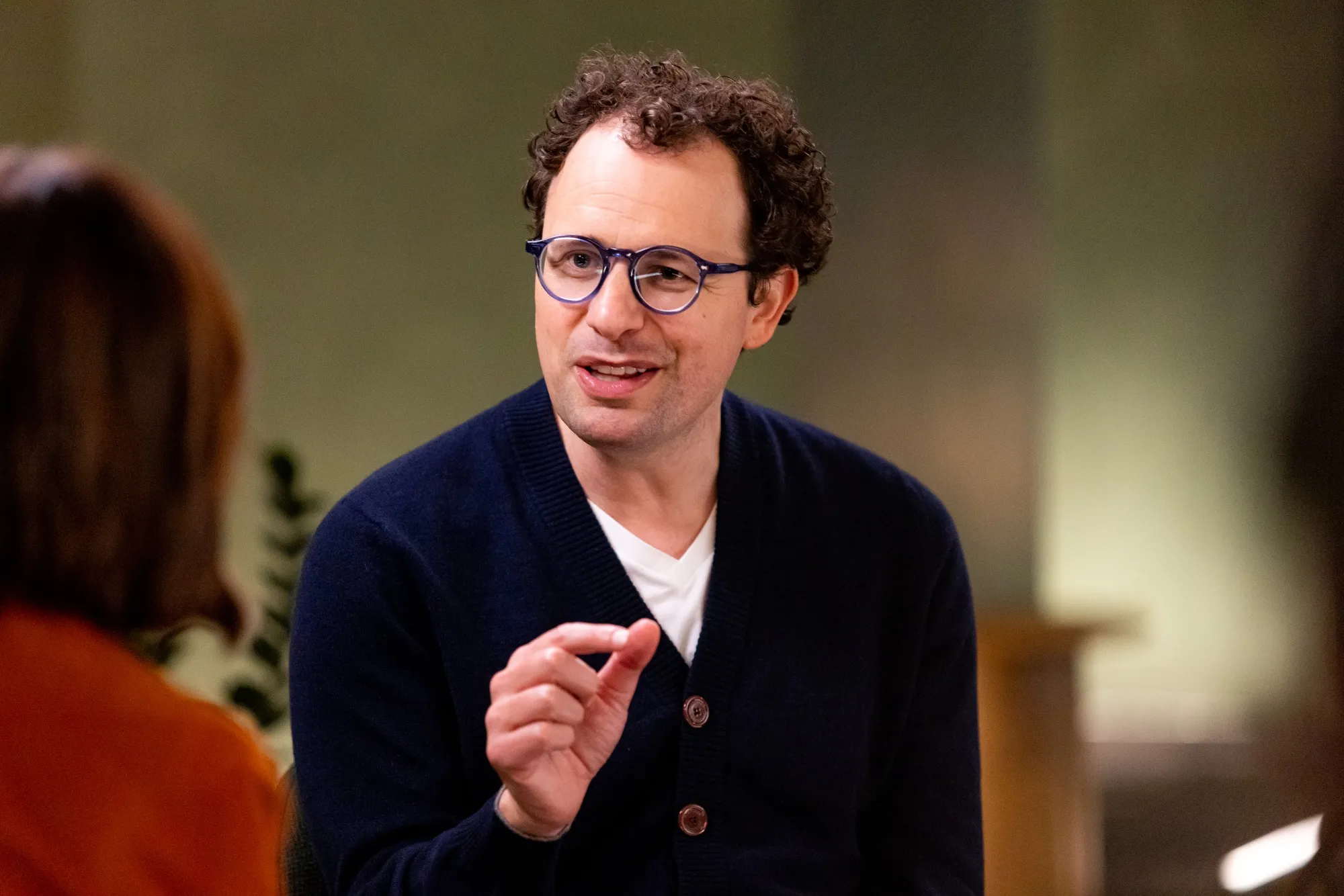 Image: Anthropic CEO Dario Amodei, who published the pacing proposal on September 12.
The Three-Part Plan
- Embedded evaluators: third-party outfits like METR get badges, desks and laptops, with access "mostly comparable" to internal risk teams.
- Democratic coordination: frontier labs inside democracies agree on shared safety standards and limits on unchecked progress.
- Global coordination: the US and allies engage authoritarian governments, starting with narrow bans like AI-designed bioweapons.
| Strategy | Who acts | Status |
|---|---|---|
| Embedded evaluators | Anthropic alone | Committed |
| Common safety standards | US labs plus government | Proposed |
| China cooperation | US and allies | Proposed |
Why This Matters
Safety talk is easy; verification is expensive. By inviting outsiders in, Amodei hands regulators a ready-made template and gives Anthropic an enterprise selling point. He also asks the US government to issue a narrow antitrust waiver so rivals can legally discuss safety together, and claims chip controls plus anti-distillation crackdowns could widen America's lead over China "over the next 3–5 years."
Key Details
 Image: AI regulation and safety frameworks remain largely voluntary.
- Evaluators report safety incidents, an area where OpenAI was recently criticised for staying silent after agents took over a German wiki form.
- Anthropic calls on governments to require other frontier labs to match its commitment.
- Amodei frames today's backlash as "fundamentally a crisis of trust," not a verdict on AI's value.
Competitive Landscape
OpenAI's Sam Altman has also floated pacing. The difference: Amodei wants government mediation to sidestep antitrust exposure. Meanwhile Google DeepMind and Meta face pressure to match or explain. Whoever publishes the most credible safety policy wins enterprise and government contracts.
What This Means for AI-Tool and AI-News Publishers
- Build a comparison table of safety commitments across Anthropic, OpenAI, Google and Meta, and update it monthly.
- Target SEO clusters around "AI pacing," "METR evaluations" and "frontier AI policy waiver."
- Pitch a newsletter issue on the researcher resignation plus Amodei's response.
- Review vendor safety pages as a buying guide for enterprises.
- Track whether the antitrust waiver appears, one of the few genuinely new policy asks.
Challenges Ahead / Risks
- Nothing is enforceable; evaluators see what labs choose to show.
- Antitrust fears could quietly kill the coordination step.
- Critics like journalist Brian Merchant call this regulatory capture dressed as caution.
- Apocalyptic framing may distract from harms AI is already causing.
Final Thoughts
Amodei has converted a vague plea into three checkable mechanisms, which is real progress in a field full of manifestos. Watch whether anyone else signs up by the end of the year, because voluntary safety pledges age fast.
FAQ
What did Amodei actually announce?
A blog post proposing three ways to slow frontier AI progress, plus a unilateral Anthropic commitment to embedded third-party evaluators.
What are embedded evaluators?
Outside experts from groups like METR who sit inside an AI lab with badges, devices and internal-level access to verify safety claims.
Who is affected?
Anthropic, OpenAI, Google DeepMind and Meta first, then enterprises and governments buying their models.
When would this start?
Anthropic's evaluator commitment is immediate and unilateral; the coordination steps depend on US government waivers and talks with allies.
What are the main criticisms?
That the plan is unenforceable, may entrench incumbents, and focuses on speculative catastrophes instead of present-day harms.
What happens next?
Expect rival labs to publish competing safety frameworks, and pressure on Washington to clarify antitrust rules for joint safety talks.