Google's Gemini Spark Can Now Manage Your Google Photos Library
Google is handing the keys to your camera roll to Gemini Spark , its personal agent, which can now edit photos, build albums, and run workflows inside **Goog...

Google is handing the keys to your camera roll to Gemini Spark, its personal agent, which can now edit photos, build albums, and run workflows inside Google Photos. Announced by Google Photos lead Shimrit Ben-Yair on September 3, the feature starts rolling out over the next few weeks to Gemini AI Pro and Ultra subscribers in the U.S. (English only). This is Google's latest attempt to make AI feel useful for ordinary consumers, but it lands at a moment when even OpenAI's Sam Altman admits the industry has "done a terrible job" selling AI to the public.
What Is Gemini Spark?
Gemini Spark is Google's consumer-focused personal agent, accessible inside the Gemini app, designed to execute multi-step tasks across Google's ecosystem instead of just answering questions. Think of it as the difference between asking AI for advice and telling an assistant to "just get it done."
 Image: Google's Gemini AI assistant app, the new home for photo-management agents.
Until now, Spark's party tricks lived mostly in creativity, productivity, and analysis use cases. Connecting it to Google Photos, where the average consumer now stores tens of thousands of images, is a deliberate bet: make the agent the default organizer for the most personal data most people own.
Key context for Indian readers: Google has not confirmed an international rollout date or timeline. As of now, this is a U.S.-only, English-only, paid-tier feature. Indian Pro and Ultra subscribers will need to wait, even though Gemini's India user base is among the largest in the world.
The Core News: Spark Can Now Touch Your Photos
Google Photos lead Shimrit Ben-Yair posted the news on X, revealing she has 143,206 photos and videos she wants an agent to tame. The update means Gemini Spark can now execute real, multi-step tasks inside your photo library, not just search it.
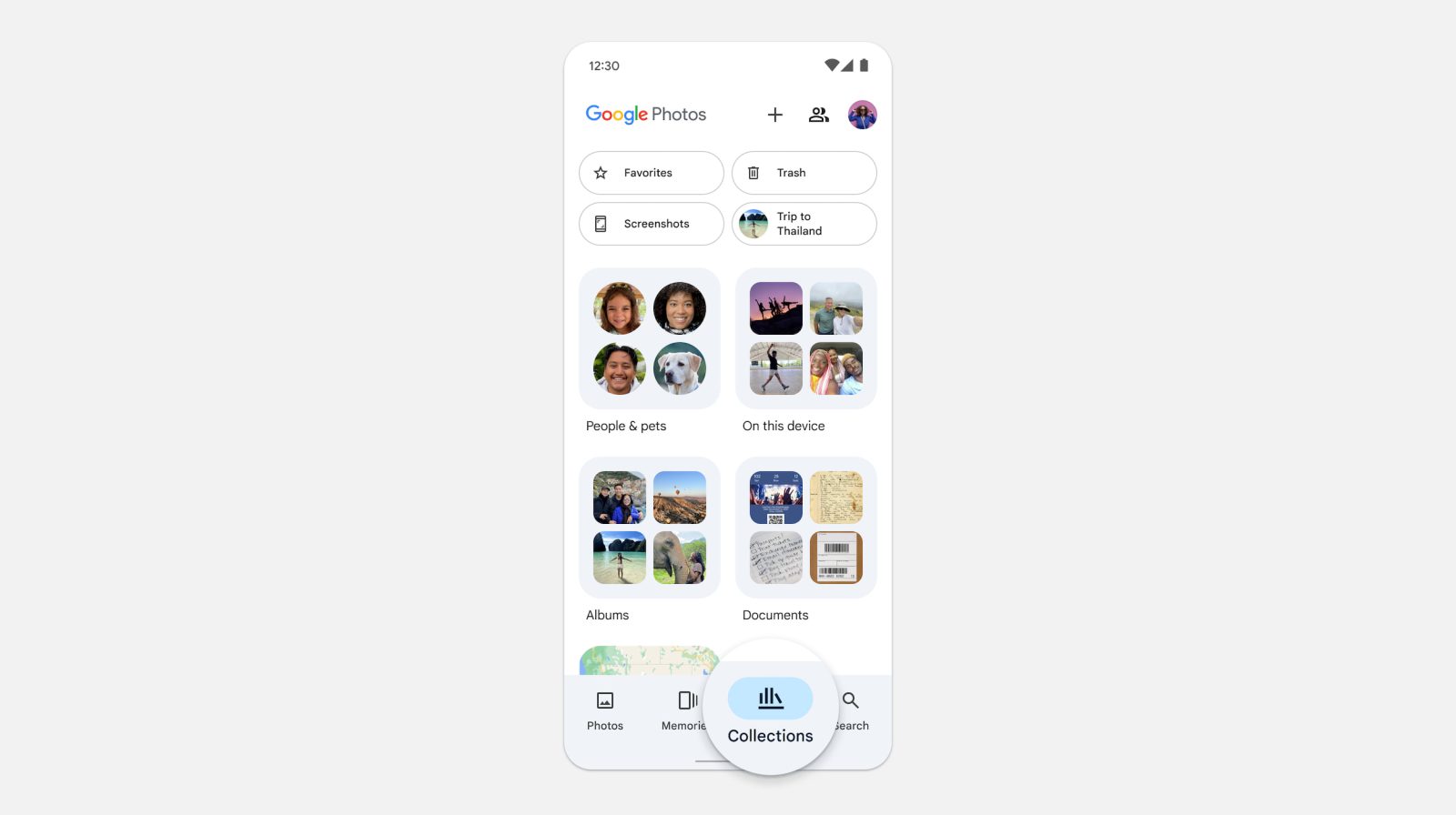 Image: Google Photos' modernized interface, where Gemini Spark will now operate directly.
What Spark can reportedly do inside Google Photos:
- Edit images on command, applying crops, lighting fixes, or object removal through natural language.
- Curate albums automatically, grouping shots by event, person, or theme without manual sorting.
- Create shared albums with your "favorite shots" and manage who can see them.
- Turn concert flyer photos into calendar appointments, connecting visual data to your schedule.
- Run workflows, chaining multiple actions across Photos and other connected Google services.
How you actually use it
Getting started is a three-step process, per Ben-Yair's announcement:
- Connect Google Photos to Gemini in the Gemini app's settings, granting the agent access permissions.
- Toggle on Spark in the top corner of the Gemini app.
- Enter a natural-language prompt, like "Create a shared album of last weekend's trip and tag my brother."
| Feature | What it does | Old way (without Spark) |
|---|---|---|
| Auto-album curation | Groups photos by event/theme | Manual selection, endless scrolling |
| Shared album creation | Builds and manages share links | Manual invites, permission fiddling |
| Flyer-to-calendar | Extracts event details from photos | Typing dates into a calendar app |
| Photo editing | Edits via plain-language commands | Learning editor tools and sliders |
| Multi-step workflows | Chains tasks across apps | Switching between 3-4 apps yourself |
Why This Matters: AI's Consumer Credibility Gap
This launch lands amid a genuine reckoning. OpenAI CEO Sam Altman told Bloomberg this week that the AI industry has "done a terrible job" communicating its benefits, fueling backlash from communities worldwide. Google Photos' integration is simultaneously an answer to that problem and, arguably, an example of it.
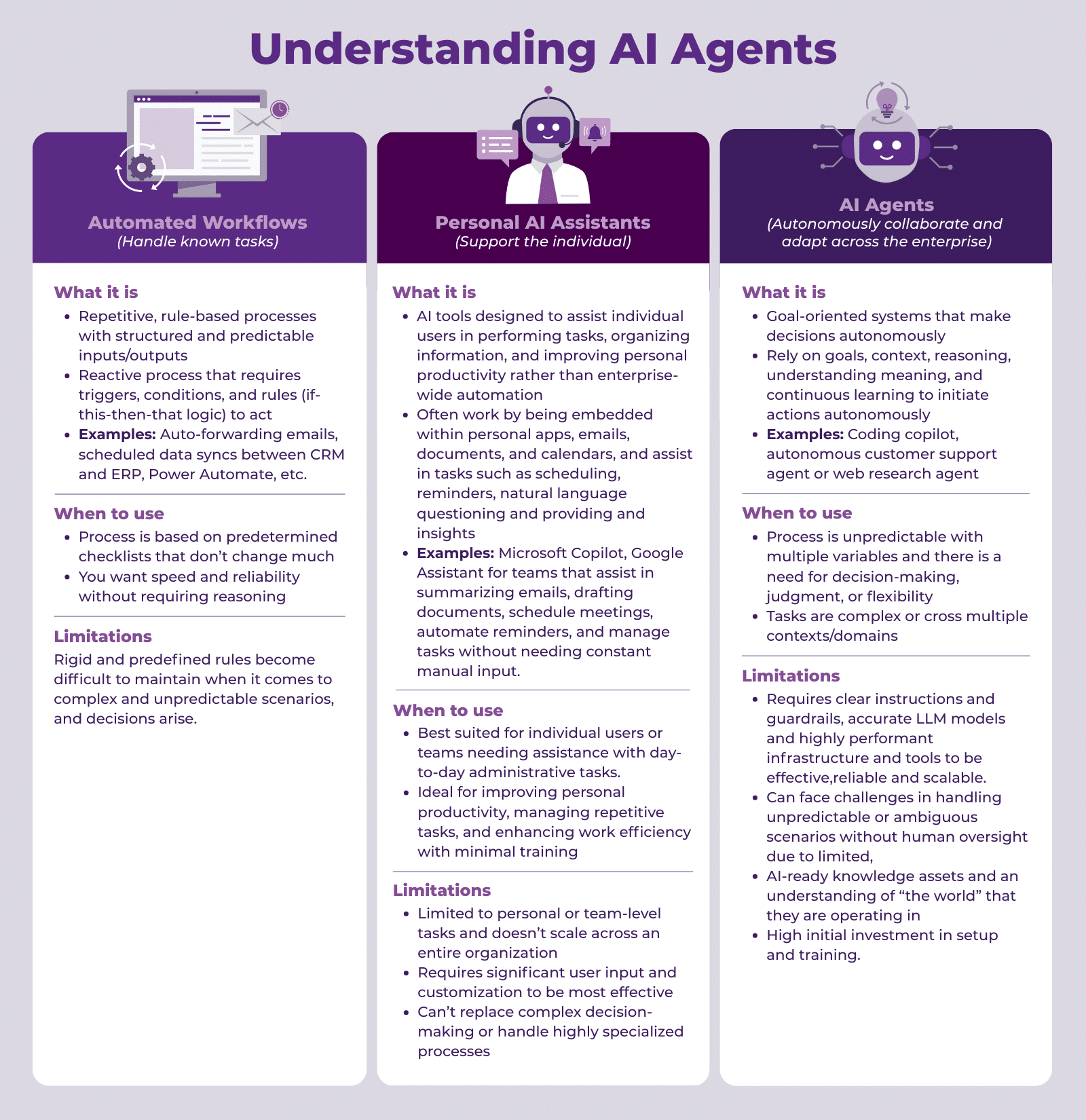 Image: The shift from passive AI chatbots to active agents that execute tasks is reshaping consumer software.
On one hand, Google is showing consumers a concrete, tangible payoff for their AI subscription. On the other, the announcement itself undercuts the "wow." Manually making a photo album isn't that hard, as TechCrunch's coverage noted, and standalone feature drops don't tell the bigger story of how AI has reshaped an entire product.
The stakes for Google are commercial and strategic:
- Gemini Pro and Ultra subscriptions need retention hooks beyond chatbot answers.
- Google Photos is a data moat; agents that live inside it deepen switching costs away from Apple Photos and Amazon.
- Consumer trust is fragile; granting an AI agent write-access to your entire photo history is a serious privacy decision, especially for users in markets with weaker data-protection enforcement.
| Platform | Consumer agent play | Photo-library control | Rollout status |
|---|---|---|---|
| Google (Gemini Spark) | Multi-app task execution | Full edit/curate/automate | U.S. Pro/Ultra, English |
| Apple (Intelligence) | On-device Siri upgrade | Curated memories, limited edits | Gradual, device-gated |
| OpenAI (ChatGPT/Astra) | Chat-first assistant | Upload-based, no native library | Research/limited |
| Meta (AI assistant) | In-app helper across FB/IG | Album suggestions only | Partial |
Key Details and Technical Breakdown
What "agentic" access really means
This isn't a chatbot with a search bar into your photos. Spark is operating as an agent: it can take sequential actions, make decisions across steps, and persist across apps. That architectural shift is the real news hiding inside a modest feature announcement.
Privacy and permissions architecture
The integration requires an explicit connection step where you grant Google Photos access to Gemini, followed by a Spark toggle. This two-stage consent design matters because it separates "ask Gemini anything" from "let Gemini act inside your private library."
The subscription gate
Only Gemini AI Pro and Ultra subscribers get this in the initial wave. That tells you Google views advanced agent features as premium differentiators, not baseline utility. Free-tier users keep search and basic assistance; agents cost money.
India-specific caveats
For the large Delhi, Mumbai, and Bengaluru creator and startup community on Gemini, three things stand out:
- No confirmed India rollout for Spark-in-Photos yet, so enterprise and creator workflows relying on it shouldn't bet the roadmap on it.
- English-only prompts currently exclude India's massive multilingual photo cultures.
- Google One storage is the hidden dependency; heavy photo automation still hits storage caps fast.
Competitive Landscape
Google isn't alone in chasing the "agent that manages your digital life" prize, but it has one structural advantage: Google Photos is already the default photo library for over a billion users, especially in Android-dominant markets like India.
The competitive pressure is coming from several directions:
- Apple Intelligence is improving on-device photo curation but remains tied to new hardware, which prices out most of the world.
- OpenAI's Astra (launched this week as a powerful and controversial model) aims to be a universal agent, but it lacks a native consumer photo library to act upon.
- Replit and other dev-tool agents are racing toward workplace automation, signaling that agentic AI's biggest near-term wins may be professional, not personal.
Google's Photos move is a defensive consolidation: it binds its best consumer data asset to its AI subscription stack before a rival agent (like Astra) can become the default assistant for that data.
What This Means for AI-Tool and AI-News Publishers
This story is a gift for creators, SEO bloggers, and newsletter writers because it combines a major brand, a consumer feature, and a controversy hook. Here are concrete angles to run:
- "How to connect Google Photos to Gemini Spark" tutorial: A step-by-step SEO piece targeting "Gemini Spark Google Photos" search queries. Indian readers will want workarounds (VPN limitations, Google One requirements), so address geo-availability honestly.
- "10 things Gemini Spark can do in Google Photos" listicle: Curate editing, album creation, flyer-to-calendar, and workflow examples with prompt templates readers can copy-paste.
- "Gemini Spark vs. Apple Intelligence vs. Astra for photo management" comparison: Build the table format above into a full review. Comparison queries convert well and earn backlinks.
- "Is letting an AI agent touch your photos safe?" explainer: Privacy is the high-engagement angle, especially in India. Cover permissions, data retention, and revocation steps.
- "Sam Altman says AI marketing has failed: Google proves his point" hot take: Tie the Altman Bloomberg comments to this launch for a newsletter essay that generates discussion.
Publishers should also track the international rollout announcement as a trigger for an update post, since India demand for this feature will be substantial once available.
Challenges Ahead and Limitations
This is not a flawless launch, and honest coverage should say so.
- The wow factor is thin. Auto-making an album is convenient, not revolutionary. Publishers and users alike should weigh whether this is genuinely transformative or incremental.
- U.S.-only, English-only, paid-only. A huge share of the global Gemini user base, including India, is locked out with no announced timeline.
- Privacy anxiety is real. Granting write-access to a lifetime of personal photos to an AI agent is a leap many consumers won't take without clearer data-use guarantees.
- Permission sprawl risk. Connecting Photos, Calendar, and other services creates a web of agent permissions that users may struggle to audit or revoke later.
- The agent could get it wrong. A misidentified "favorite shot" or an erroneous calendar event created from a flyer is annoying; a wrongly shared private album is a genuine harm.
- Marketing noise problem. As Altman admitted, the industry keeps shouting about every small feature, which can fatigue users rather than excite them.
Final Thoughts
Google is betting that the path to consumer AI adoption runs through the most personal, most sentimental data people own: their photos. Whether taming a 143,000-image library feels magical or merely marginal depends on execution, trust, and rollout speed. The bigger story to watch is not albums and flyers, but whether agentic AI finally finds a consumer use case that people feel in their daily lives instead of just in product announcements.
FAQ
What exactly is Gemini Spark's new Google Photos integration?
It's a set of capabilities that let Google's Gemini Spark agent actively manage your Google Photos library, including editing images, curating albums, creating shared albums, converting flyer photos into calendar events, and running multi-step workflows.
How do I enable Gemini Spark with Google Photos?
Connect Google Photos to Gemini in the app's settings, toggle on Spark in the top corner of the Gemini app, and then enter a natural-language prompt describing the task you want performed.
Who can access this feature right now?
Only Gemini AI Pro and Ultra subscribers in the United States, using English, in the initial rollout window over the next few weeks. Google has not announced international or India availability.
Do I need a special subscription or hardware for it?
Yes, a paid Gemini AI Pro or Ultra subscription is required in the current wave. Unlike Apple Intelligence, there's no special hardware requirement, but storage limits in Google Photos still apply.
Are there privacy risks to letting an AI agent manage my photos?
Yes. You're granting write-access to your private photo library, so it's important to review permission prompts, understand Google's data-use policies, and know how to revoke Spark's access if you change your mind.
Why does this matter for the broader AI industry?
It's a test of whether agentic AI can deliver obvious consumer value at a moment when industry leaders like Sam Altman admit AI has failed to communicate its benefits. If photo management feels genuinely useful, it could rebuild consumer trust; if it feels trivial, it may deepen AI fatigue.