#Microsoft’s New Gaming CEO Vows Not to Flood the Ecosystem With ‘Endless AI Slop’
The CEO’s message was clear: AI should enhance creativity, not replace it with repetitive or low-effort output.


The comments come at a time when AI tools are rapidly being integrated into game development pipelines — from procedural content generation and dialogue systems to automated art and level design. While the technology promises faster production cycles and richer experiences, it also raises concerns about low-quality, mass-produced content flooding digital marketplaces.
A Quality-First Approach to AI in Gaming

The CEO’s message was clear: AI should enhance creativity, not replace it with repetitive or low-effort output.
Key themes from the pledge include:
- Prioritizing player experience over volume
- Avoiding mass-generated, low-quality releases
- Supporting human developers with AI tools
- Maintaining high creative standards
As AI-powered development becomes more accessible, the risk of oversaturation increases — particularly in digital storefronts where discoverability is already challenging.
The AI Boom in Game Development

Across the industry, studios are experimenting with AI for:
- Procedural world generation
- Dynamic NPC dialogue
- Automated animation cleanup
- Asset creation
- QA testing automation
Platforms tied to Xbox and Windows ecosystems are no exception. Microsoft has invested heavily in AI infrastructure, including through its partnership with
However, rapid AI adoption also raises fears that:
- Cheap, AI-generated games could flood marketplaces
- Creativity may be diluted
- Player trust could erode
- Developers may feel replaced
The new CEO’s stance appears aimed at calming those fears.
What “AI Slop” Really Means

The term “AI slop” has become shorthand in creative industries for:
- Mass-produced, low-effort AI content
- Generic art generated without refinement
- Shallow narratives assembled by algorithms
- Projects built solely to exploit trends
In gaming, this could translate into:
- Repetitive gameplay loops
- AI-generated dialogue lacking depth
- Cloned mechanics with minimal originality
By publicly rejecting this direction, Microsoft signals it wants AI to serve as a creative amplifier — not a shortcut to scale.
Balancing Innovation and Integrity

The gaming industry faces a delicate balance:
AI can:
- Reduce development time
- Lower costs
- Enable smaller studios to compete
- Expand dynamic storytelling
But AI can also:
- Encourage content spam
- Create discoverability issues
- Reduce artistic uniqueness
- Undermine player trust
Microsoft’s gaming leadership appears to be drawing a line: embrace AI tools, but maintain curation and quality control.
Strategic Implications for Xbox and Developers

For developers within the Xbox ecosystem, this stance suggests:
- AI features will likely focus on tooling, not mass content generation
- Marketplace standards may remain strict
- Curated experiences could be prioritized
- Human creativity will remain central
This could differentiate Microsoft’s ecosystem from platforms that allow looser AI content publishing.
Industry-Wide Impact

As one of the largest players in gaming, Microsoft’s position may influence broader industry norms.
If major platforms begin:
- Filtering low-effort AI content
- Promoting curated releases
- Supporting human-AI collaboration
The gaming ecosystem could avoid a wave of low-quality releases that diminish user experience.
The Bigger Conversation: AI in Creative Industries
Gaming isn’t alone. Film, music, publishing, and design are facing similar questions:
- Should AI generate content at scale?
- How do platforms prevent saturation?
- What safeguards maintain artistic value?
- How do creators stay empowered?
Microsoft’s pledge reflects a growing awareness that AI adoption must be intentional — not reckless.
Final Thoughts
Microsoft’s new gaming CEO’s vow not to flood the ecosystem with “endless AI slop” sends a strong signal: innovation must serve quality.
AI will undoubtedly reshape game development. But if implemented responsibly, it can enhance creativity rather than undermine it.
For players, developers, and publishers alike, the real challenge isn’t whether AI will be used — it’s how wisely it will be deployed.
FAQ
What did Microsoft’s gaming CEO say?
He pledged not to overwhelm the gaming ecosystem with low-quality AI-generated content.
What is meant by “AI slop”?
Mass-produced, low-effort AI-generated content lacking originality or polish.
Is Microsoft abandoning AI in gaming?
No — the focus is on using AI responsibly and creatively.
How might this affect developers?
Expect AI to be positioned as a tool for support, not a replacement for human creativity.
Why is this important?
Gaming marketplaces risk oversaturation if AI-generated titles flood platforms without quality control.
Could this influence the wider industry?
Yes. Microsoft’s stance may encourage higher standards across gaming ecosystems.
Mentioned in this article
Tools

ChatUp AI Generator Unfiltered
ChatUp AI Generator Unfiltered is an AI-powered NSFW content creation platform designed to help u

ChatUp AI Generator Unfiltered is an AI-powered NSFW content creation platform designed to help users generate explicit and imaginative text, images, and videos by leveraging advanced artificial intelligence and generative models . It addresses the need for a dedicated space for adult content
pdfAssistant.ai
Opening Overview pdfAssistant.ai is a powerful AI-powered PDF processing assistant designed to he

Opening Overview pdfAssistant.ai is a powerful AI-powered PDF processing assistant designed to help users automate and simplify document management tasks by leveraging artificial intelligence, automation, and intelligent workflows . The platform serves as a comprehensive, no-code solution for

Reply
Reply is an AI-powered sales engagement platform designed to help businesses automate outreach,

Reply is an AI-powered sales engagement platform designed to help businesses automate outreach, generate leads, and convert website traffic into qualified opportunities . It addresses the challenges of inefficient manual prospecting and inconsistent follow-up, ultimately streamlining the sales p

Call Santa's Hotline
Call Santa's Hotline is an innovative mobile application that allows users to experience the magi

Call Santa's Hotline is an innovative mobile application that allows users to experience the magic of the holidays by directly connecting with a realistic simulation of Santa Claus. This tool solves the problem of limited access to Santa, particularly for children who may not have the opportunity
Mind Luster
Mindluster.com is an online platform that claims to offer a very large collection of free online c
Mindluster.com is an online platform that claims to offer a very large collection of free online courses and MOOCs (Massive Open Online Courses) across subjects such as programming, graphic design, accounting, language learning, technology, and more. The site presents itself as a place where lear

Blink - Ai App Builder
Blink is an AI-powered app builder platform that allows users to create mobile and web application
Blink is an AI-powered app builder platform that allows users to create mobile and web applications quickly without coding . By leveraging artificial intelligence, Blink simplifies app design, logic generation, backend integration, and deployment — enabling entrepreneurs, businesses, and non-techn

Moltbot- Personal AI Assistant
Moltbot is a personal AI assistant designed to help users manage tasks, automate workflows, and bo
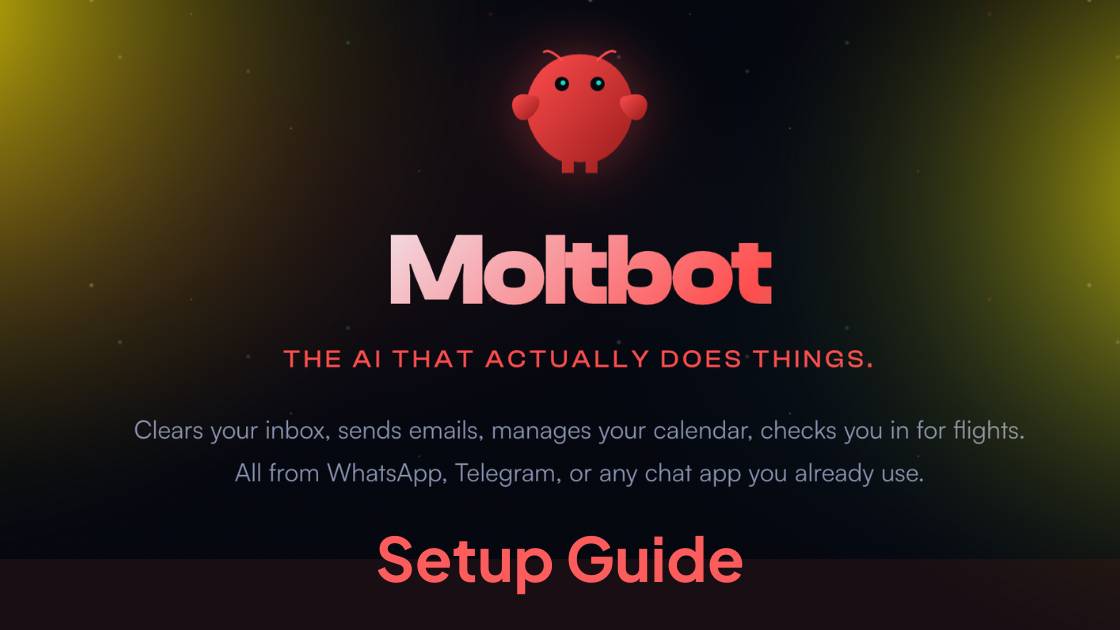
Moltbot is a personal AI assistant designed to help users manage tasks, automate workflows, and boost productivity using artificial intelligence. It acts like a digital helper that can assist with scheduling, reminders, note-taking, communication, and everyday work tasks — all through natural lan
Kimi K2
Kimi K2 for AI Agents refers to the use of Kimi K2’s AI-powered presentation and visual content ge
Kimi K2 for AI Agents refers to the use of Kimi K2’s AI-powered presentation and visual content generation capabilities in concert with autonomous AI agents to automate the creation of slides, reports, dashboards, and visual outputs as part of an AI-driven workflow. Instead of manual slide desi

NovelCraft ai
NovelCraft is an AI-powered writing platform designed to help authors, storytellers, and content cre
NovelCraft is an AI-powered writing platform designed to help authors, storytellers, and content creators produce long-form content such as novels, stories, scripts, and ebooks. The platform combines artificial intelligence with structured writing tools to assist users in planning, drafting, editing

Lipsync AINew
(Product Features) Audio-driven lip-sync video generator (online) Upload video + audio to generate a

(Product Features) Audio-driven lip-sync video generator (online) Upload video + audio to generate a talking video with lip movements synced to the voice. Two main workflows Image + Audio → Talking portrait Video + Audio → Redub existing video Long Mode (longer outputs) Supports videos up to 5 minut


