Voi founders’ new AI startup Pit has become the latest rising star out of Stockholm
Pit is led by Adam Jafer who left Voi last year after a seven‑year run scaling the company to nearly 1,000 employees across 13 countries. He is joined by:

Four former executives from European scooter giant Voi have launched Pit, an AI‑native enterprise‑automation platform that just emerged from stealth with a $16 million seed round led by a16z. Based in Stockholm, Pit is being hailed as one of the city’s hottest new AI plays, and is trying to turn legacy corporate workflows into AI‑driven software without forcing teams to build code from scratch.
Who’s Behind Pit
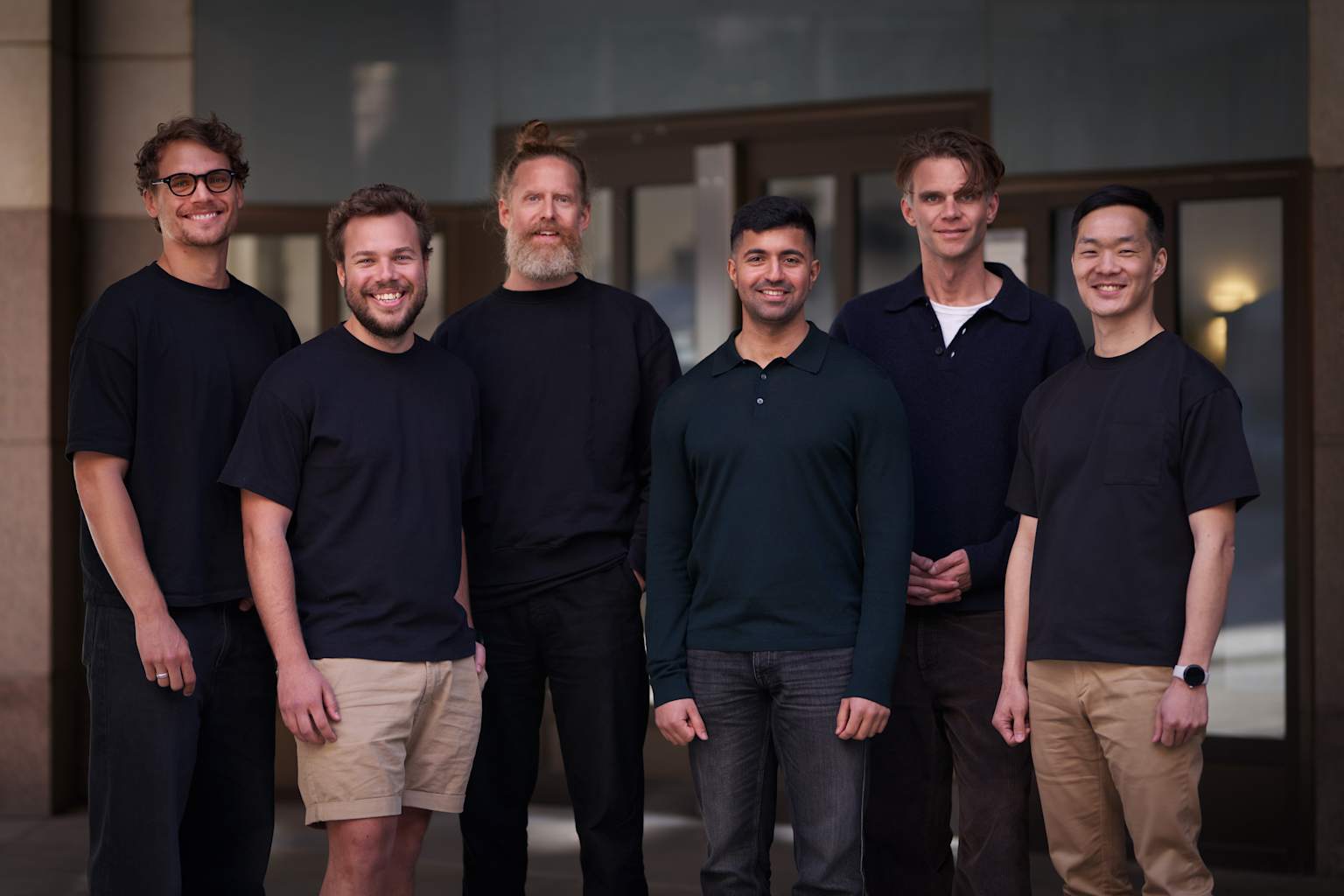
Pit is led by Adam Jafer, who left Voi last year after a seven‑year run scaling the company to nearly 1,000 employees across 13 countries. He is joined by:
- Fredrik Hjelm, current Voi CEO and Pit co‑founder
- Filip Lindvall, another Voi co‑founder who now works as a founding engineer at Pit
- Former engineers from iZettle and Klarna, plus other Nordic fintech and SaaS talent
The team’s background in scaling European operations‑heavy startups gives Pit a strong edge when it comes to understanding how real businesses actually run on spreadsheets, inboxes, and rigid SaaS tools.
What Pit Actually Does

Pit calls itself an “AI product team as a service”, and it’s targeting a simple but painful problem:
Many companies still manage critical operations with:
- Spreadsheets
- Email and Slack threads
- Spreadsheet‑like Airtable‑style tools
- Rigid SaaS platforms that don’t quite match real‑world workflows
Pit wants to replace that patchwork with AI‑generated, custom‑built software that:
- Learns how a business runs by observing existing processes
- Lets employees show it the workflows their teams actually use
- Generates tailored software to automate those processes
- Runs that software in a way that meets enterprise standards (governance, auditability, compliance)
In practice, this looks like a combo of:
- Pit Studio – a tool that lets non‑engineers guide Pit through their workflows
- Pit Cloud – the backend that packages those workflows as governed, auditable software
The goal is to let companies avoid hiring a full in‑house product team just to build internal tools.
Why a16z Is Betting on Pit
The $16 million seed round is led by Andreessen Horowitz (a16z), with participation from:
- Lakestar
- Nordic family offices
- Executives from OpenAI, Anthropic, Google, Deel, and Revolut
a16z has been actively scouting Stockholm and the wider Nordic ecosystem for the next European unicorn, and Pit fits the profile:
- Strong, experienced founders from a well‑known European startup
- A clear, credible thesis around AI‑native enterprise software
- A “product‑team‑as‑a‑service” angle that’s different from generic AI‑agent or low‑code platforms
The firm is betting that Pit can capture a slice of the large‑enterprise automation and internal‑tools market, where budgets are deep and implementation complexity is high.
How Pit Fits Into Stockholm’s AI Ecosystem
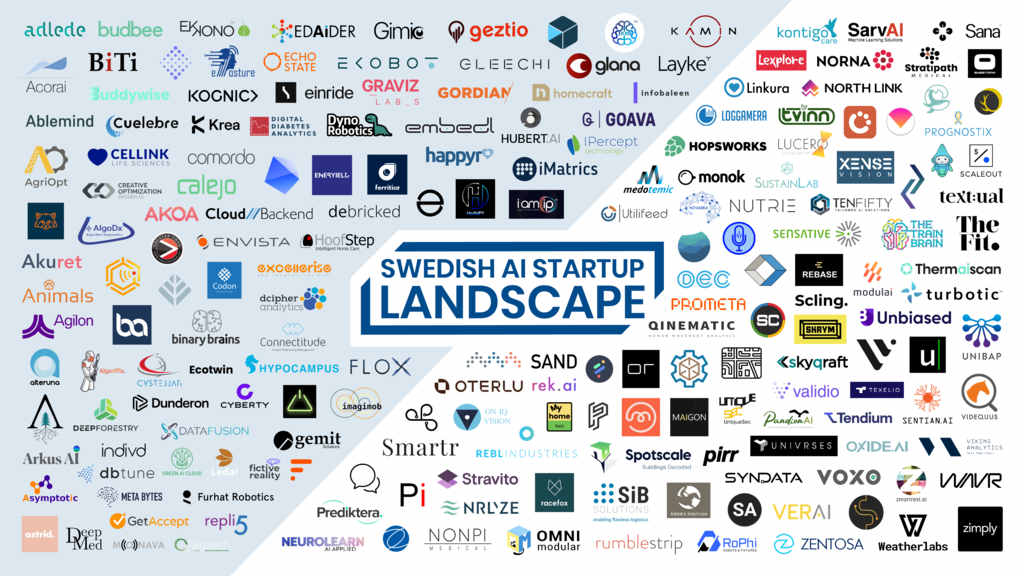
Pit adds to a growing list of AI‑native startups coming out of Stockholm, including companies like Lovable and others in the Swedish AI‑startup landscape. The city is now seen as:
- A hub for fintech and scaling operations (Klarna, iZettle, Voi)
- A growing base for AI‑driven enterprise tools
- A magnet for top‑tier U.S.‑style venture capital looking for European AI unicorns
Pit is one of the first AI‑product‑team‑style plays to come out of this cluster, and its structure—combining founders with deep ops experience and backing from a16z—makes it one of the most interesting early‑stage AI bets in the region.
How This Is Different From Other AI‑Agent Tools

The market is already crowded with:
- AI‑agent‑builders
- “vibe‑coding” code‑generation tools
- Low‑code workflow platforms
Pit tries to stand out by:
- Focusing on how businesses actually run, not just on programming
- Offering a full product‑team‑style package (design, implementation, governance)
- Building AI‑generated software that can meet enterprise‑grade security and compliance standards
- Letting non‑engineers guide the process without writing code
This is closer to outsourced product engineering powered by AI than to a simple chatbot or workflow‑automation layer.
What This Means for AI‑Tool and AI‑News Publishers
For AI‑tool blogs, newsletters, and conferences, Pit is a strong signal that:
- Stockholm is becoming a real AI‑startup hub, not just a fintech cluster
- There’s demand for AI‑driven product‑team and internal‑tools platforms, not just B2B SaaS wrappers around generic models
- The “AI‑product‑team‑as‑a‑service” narrative is a new category worth tracking
Publishers should watch Pit’s:
- Enterprise‑client wins
- Pricing and packaging model
- How it compares with AI‑agent suites from OpenAI, Anthropic, and others
If Pit can land a few big‑enterprise customers and prove that AI‑built internal tools are more predictable and auditable than home‑grown solutions, it could become a template for an entire sub‑category of AI‑infrastructure tools.
FAQ
What is Pit?
Pit is an AI‑native enterprise‑automation startup founded by former Voi leaders that helps companies replace spreadsheets, inboxes, and rigid SaaS tools with AI‑generated internal software.
Who backs Pit?
The company raised a $16 million seed round led by a16z, with participation from Lakestar, executives from OpenAI, Anthropic, Google, Deel, Revolut, and Nordic family offices.
What does “AI product team as a service” mean?
It means Pit helps companies:
- Model their workflows
- Generate tailored software to automate them
- Deliver that software in a governed, auditable way
All without needing to hire a full in‑house product and engineering team.
Why is Stockholm relevant?
Stockholm has become a hub for fintech, scaling startups, and AI‑infrastructure. Pit is one of the first AI‑product‑team‑style plays from this cluster, making it a strong indicator of where the ecosystem is heading.
How is Pit different from other AI tools?
Pit focuses on:
- Observing real‑world business workflows
- Building governed, enterprise‑grade software
- Offering a product‑team‑style experience rather than just a chatbot or low‑code layer
Pit represents a new kind of AI‑startup story: one that starts not with a flashy consumer app, but with real‑world operations expertise and a clear enterprise‑pain point. By combining Voi‑scale execution DNA with AI‑driven product‑team logic, Pit is positioned to become one of Stockholm’s breakout AI companies.
For AI‑tool and AI‑news publishers, it’s a strong reminder that Europe’s AI ecosystem is maturing quickly—and that the next wave of AI winners may look less like “AI chat” products and more like AI‑powered internal‑tools and product‑teams for enterprises.


